Center for Applied Research in Education (CARE)
Overview

The CESR Center for Applied Research in Education (CARE), established in 2022 by Marshall Garland, Amie Rapaport, and Anna Saavedra, is housed in the Dornsife Center for Economic and Social Research at the University of Southern California. CARE researchers conduct research and evaluations designed to increase understanding of how educational policies affect students, teachers, and schools, and whether interventions are effective, for whom, and under what conditions. We also oversee the education module of the Understanding America Study, a nationally representative survey panel of more than 15,000 households. Our partners include educators, school districts, state education agencies, foundations, and collaborating research organizations. Our work receives funding support from many public and private organizations including but not limited to the Bill and Melinda Gates Foundation, Hewlett Foundation, Lucas Education Research, the National Science Foundation, the One8 Foundation, and the United States Department of Education.
Who We Are
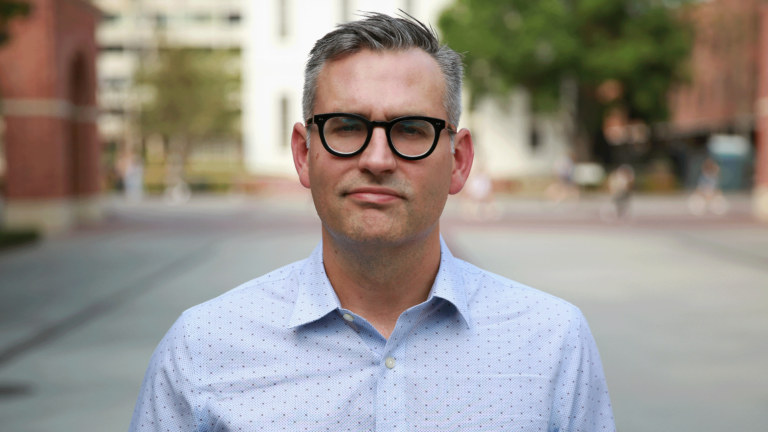
Marshall Garland, MA, is a Research Scientist and Co-Director of the USC Center for Applied Research in Education (CARE). Most of his work is focused on using large-scale educational data systems to evaluate education interventions, with a focus on causal inference in observational and experimental settings. More narrowly, he is interested in understanding the factors that inhibit or improve students’ successful transition from high school and into college and the workforce; his work in this area was recognized by the American Educational Research Association. Recently, his work has investigated the ongoing effects of the COVID-19 pandemic on students and families, the impact of whole-school reform models on students’ academic performance and attendance, the effect of out-of-school time programs on children’s academic and social-emotional well-being, and the correlates of American voters’ support for political violence and other manifestations of toxic partisanship. Marshall is ABD in Political Science from Texas Tech University. Prior to arriving at CESR, he was a senior research scientist at Gibson Consulting Group, in Austin, Texas, and a program evaluator at Austin Independent School District. Access his CV here.
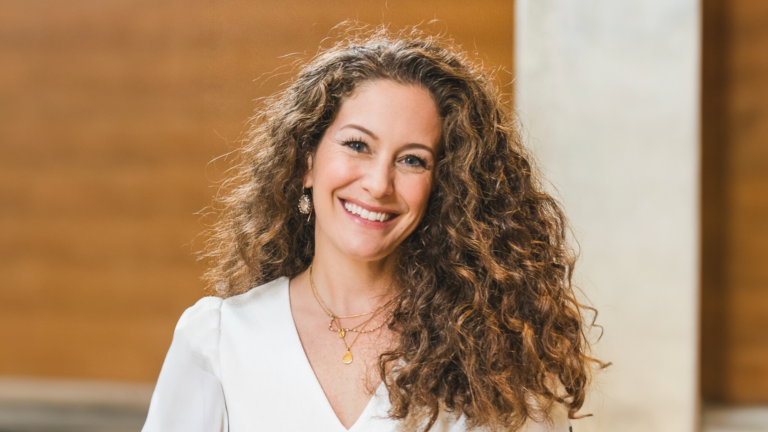
Dr. Amie Rapaport, a Research Scientist and CARE Co-Director, has spent the last 15 years helping school districts, state education agencies, foundations, and other organizations answer their own pressing research and policy-relevant questions. These projects have spanned various content areas, including project-based learning, STEM education, civics education, and educator professional development, among others. She leads teams of researchers on the design, implementation, and execution of both small and large experimental and non-experimental studies, including randomized controlled trials, quasi-experimental design studies, descriptive studies and case studies. When designing research studies, she prioritizes the inclusion of both qualitative and quantitative research methods to produce a more complete understanding of a program’s implementation and impact – addressing not only to what extent an initiative or program is effective, but why, how, and for whom? Amie also specializes in supporting organizations with the collection of high-quality, representative survey data that measures climate, stakeholder attitudes, and/or opinions (e.g., in the community, among parents, among school district employees). She also co-leads the Understanding America Study’s education-focused survey content. Amie earned her PhD in Social and Personality Psychology from New York University with a concentration in Quantitative Psychology. Access her CV here.
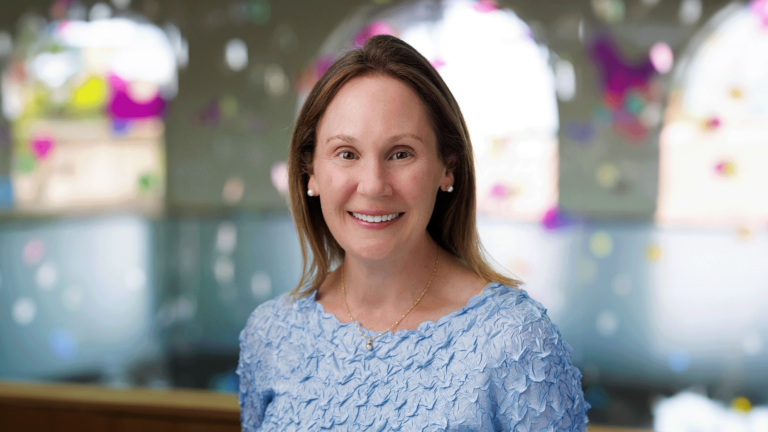
Dr. Anna Rosefsky Saavedra, a Research Scientist and USC Center for Applied Research in Education (CARE) Co-Director, is an applied education researcher with specialization in the areas of teaching and learning and civics education. She is also the Director of Research for the USC EdPolicy Hub based at the USC Rossier School of Education. Dr. Saavedra co-leads the education module of the Understanding America Study (UAS), a nationally representative panel study of parents’ perceptions and reports on their children’s educational experiences. Between 2015-21, Dr. Saavedra was Principal Investigator (PI) of a five-district, mixed-methods, randomized controlled trial efficacy study of the implementation and impact of a project-based learning approach to teaching AP U.S. Government and AP Environmental Science. Based on study results, the College Board is changing Advance Placement courses and corresponding exams to make them more project-based. Prior to her research career, Dr. Saavedra managed educational programs and partnerships for an educational travel company and taught high school world history. Her education master’s and doctorate are from the Harvard Graduate School of Education. Access her CV here.
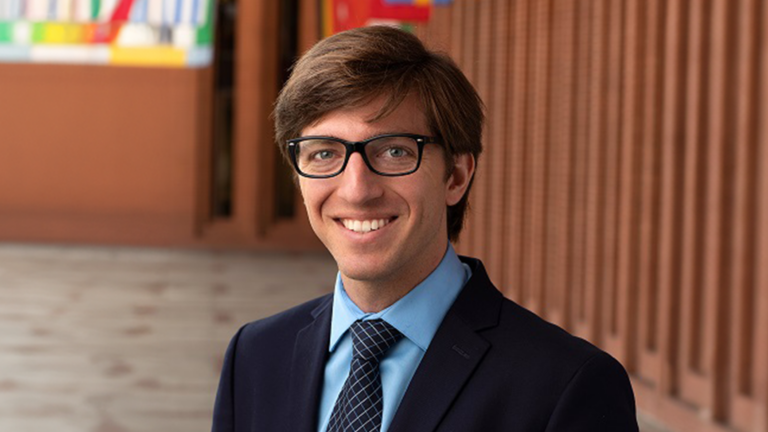
Dr. Dan Silver is a Research Scientist at the USC Center for Applied Research in Education. He contributes to Understanding America Study national survey research about the educational experiences of teachers, school leaders, and families and currently co-writes the Evidence Project biweekly newsletter. Dan has also designed and carried out mixed-methods studies to analyze teachers’ curriculum use. His academic work has been published in education journals such as Review of Educational Research, AERA Open, and Educational Researcher, and his policy- and practitioner-oriented writing has appeared in outlets including the Brookings Brown Center Blog, The 74 Million, and Time. He completed his PhD in Urban Education Policy in 2022 at the USC Rossier School of Education. He also earned his MS in Applied Economics and Econometrics from USC in 2021. Access his CV here.
Administrator
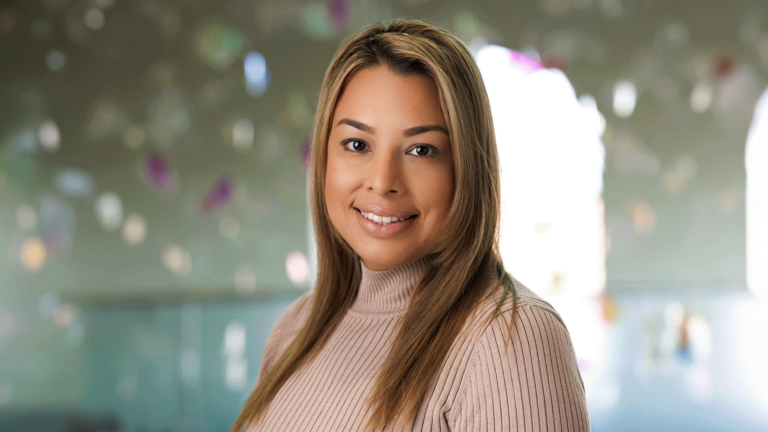
Jessica is CARE’s administrator. She has extensive experience managing complex research, evaluation, and survey projects and grants for a variety of federal and international sponsors. She serves as a point of contact for researchers to ensure assignments remain in synergy, communicating to keep projects aligned with their goals. Jessica performs quality control by adjusting schedules and targets as project needs and/or financing change. Before joining USC, she worked at the University of California, Los Angeles as a financial analyst in several departments. In that capacity, she was responsible for analyzing data, and preparing reports and projections based on results. Jessica earned her BA in Criminal Justice.
Pressroom

General press including the Economist, LA Times, New York Times, and Washington Post, as well as education trade journals including Chalkbeat, EdWeek, and EdSource — and many other sources — have cited CARE’s work.
-
- You can’t believe everything you read online. Many students don’t seem to know that. (Washington Post, November 2019)
- High school students are unprepared to judge the credibility of information on the internet, according to Stanford researchers (Stanford News, November 2019)
- “Deep Fakes” pose threat in identifying online information. (MSNBC video, December 2019)
-
2026
- Schools Are Banning AI. Students Are Using It Anyway. Designing Tomorrow. (March, 2026)
- The Drivers of the Absenteeism Crisis: New Evidence from the Understanding America Study. USC EdPolicyHub. (March, 2006)
- School cellphone bans: Teens open to moderate restrictions, research finds. Chalkbeat (January 2026).
- How Cellphone Bans Have Affected Students’ Lives: What Teens Say Edweek (January 2026).
- Study: 98% of Teens Attend Schools Limiting Cellphones, but Most Still Use Them. The 74 (January 2026).
2025
- AI Is Moving Fast—But School Responses and Parent Opinions Are Not. Center on Reinventing Public Education (November 2025).
- New Parent Research Helps Explain Causes of Post-Pandemic Absenteeism Crisis. FutureEd (September 2025).
- 40 Parents Weigh in on Why Kids Are Missing More School Now Than Before COVID. The 74 (September 2025).
- USC survey shows lack of public support for student protests, Inside Higher Ed (March 2025).
- Agreement_Across_The_Aisle: Schools Should Prepare Students for the Rights and Responsibilities of Citizenship. USC Center for Applied Research in Education (February 2025).
- What Do Parents Know about Generative AI in Schools? Center on Reinventing Public Education (January 2025).
2024
- Students with mental health struggles linked to absenteeism and lower grades, showing clear need for more in-school support. The Conversation (August 2024).
- K12 parents’ concerns and preferences. EdWeek (July 2024).
- How school districts can better manage disagreement about difficult topics. EdSource (May 2024).
- School absenteeism has become a big problem but we can do something about it. Forbes (April 2024).
- Parents are not fully aware of, or concerned about, their children’s school attendance. Brookings (March 2024).
- There’s a path to parental support on LGBTQ issues at schools. Santa Monica Daily Press (March 2024).
- Chronic Absenteeism Is a Crisis. Do Parents Get It? EdWeek (March 2024).
- Teachers and students are wary about discussing gender identity, study finds. USA Today (February 2024).
- Deep political divide around race, LGBTQ+ topics in schools, new USC study finds. EdSource (February 2024).
- Survey finds bipartisan support for public schools, wide gaps on LGBTQ, race issues in education. Forbes (February 2024).
- Support for teaching gender identity in schools is split, even among Democrats. New York Times (February 2024).
- How Americans really feel about the teaching of controversial topics in schools.USC Today (February 2024).
- Support for Teaching Gender Identity in School Is Split, Even Among Democrats. The New York Times (February 2024).
- Searching for Common Ground: Widespread Support for Public Schools but Substantial Partisan Divides About Teaching Contested Topics. USC Center for Applied Research in Education (February 2024).
- Kids Should Learn about LGBTQ Issues at School? Chalkbeat (February 2024).
- The “Un-Average”: Not Every Child Bounced Back After COVID. USC Schaeffer (January 2024).
2023
- The reality of COVID-19 learning loss.USC Rossier School of Education (December 2023).
- Many families don’t know how much the pandemic harmed their child’s learning; that’s a problem. EdSource (August 2023).
2022
- Lines Have Been Drawn, A Loud Minority Has been Heard, Now What? Harvard Usable Knowledge (December 2022).
- National Survey Findings Shed Light on Dimensions of Teen Mental Health Concerns. USC Schaeffer (November 2022).
- Most Americans don’t believe young kids should read or learn LGBTQ themes. Hechinger Report (November 2022).
- ‘Channeling the Mama Bear’: How Covid Closures Became Today’s Curriculum Wars. The New York Times (November 2022).
- Deep Partisan Divide Over LGBTQ+ Content in Schools. Yahoo (October 2022).
- Americans divided on LGBTQ representation in high school curriculum. The Hill (October 2022).
- Study: Parents want high schoolers to learn both sides of controversial issues. Spectrum News (October 2022).
- Poll finds sharp partisan divides over teaching LGBTQ issues. Washington Post (October 2022).
- Must battle over civics education? Fordham Institute (October 2022).
- Republicans and Democrats Agree: High Schools Should Teach ‘Controversial’ Issues. Education Week (October 2022).
- Half of Americans Know Little About CRT, What’s Actually Taught in Schools. The 74 (October 2022).
- “Critical race theory” is being weaponised. What’s the fuss about? The Economist (July 2022).
- Both Supply and Demand for COVID-Related Academic and Social Interventions Are Insufficient to Address the Negative Effects of the Pandemic. Urban Institute (June 2022).
- Teens are Divided on Teaching Race, Gender Identity – Like Their Parents. The 74 (February 2022).
- Bogus claim that school closures will doom democrats. The New Republic(January 2022).
2021
- How some families of color remain wary of returning to classrooms as new school year begins Washington Post (September 2021).
- Back to school with the threat of the delta variant. MarketWatch(September 2021)
- America’s history wars. The Economist (July 2021).
- More students of color are expected to return for in-person classes in the fall but reluctance lingers. Washington Post(June 2021).
- What’s behind racial differences in attitudes toward school reopening (and what to do about them) American Enterprise Institute(April 2021).
- What’s at stake in the fight over reopening schools. New Yorker(February 2021).
- California parents continue to disagree on return to school as Covid-19 cases decline. EDsource (March 2021).
- More non-white than white parents prefer remote learning for their children. The Economist(March 2021).
- Parents struggle with a new dilemma: Is it safe to send kids back to school? Los Angeles Times(March 2021).
- This high school reopened two months ago, with no COVID-19 outbreaks? Los Angeles Times (March 2021).
- What’s at stake in the fight over reopening schools. New Yorker (February 2021).
- Rhode Island kept its schools open. New York Times(February 2021).
- Schools in more affluent areas move faster to reopen than those in low-income communities. Los Angeles Times (February 2021).
- Parents are getting the type of instruction they want for their kids. Chalkbeat(February 2021).
- Why reopening schools in minority neighbourhoods is hard. The Economist (January 2021).
2020
- What’s the Likely Impact of COVID-19 on Higher Ed? Inside Higher Ed (August 2020).
- K12 parents’ concerns from the end of April. EdWeek(April 2020).
Partners
We collaborate closely with professors and students from the USC Rossier School of Education as well as researchers nationwide. Foundations and federal sources have financially supported our work.
 |
 |
 |
 |
 |
 |
Grant No. R305A210335 |
 |
 |
Grant No. 2037179 and 2120194 |
 |
 |
 |
 |
 |
 |
 |
 |