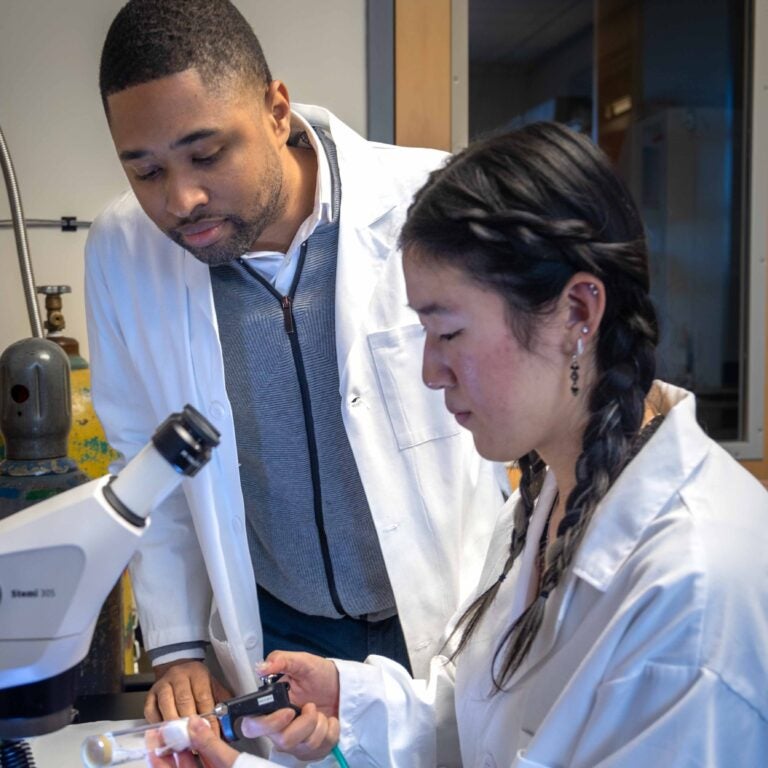
Phenomenal success by Molecular Biology graduate students in winning NIH Predoctoral Fellowships!
The MCB Section, which hosts USC’s PhD program in Molecular Biology, is pleased to announce multiple winners of the highly competitive NIH NRSA Predoctoral Fellowships. Read on to hear their individual stories!
Emily Arnold
Congratulations to Emily Arnold, a third-year Ph.D. student in the Molecular Biology program at USC, who has been awarded the NIH F31 Ruth L. Kirschstein Predoctoral Fellowship from the National Institutes of Neurological Disorders and Stroke! This competitive award will support Emily’s dissertation research in the Morton Lab, where she is investigating how RNA decay by the RNA exosome complex shapes human neurodevelopment. Using CRISPR-edited human induced pluripotent stem cell (hiPSC)-derived spinal motor neurons, Emily is uncovering how disease-linked missense mutations in RNA exosome subunit genes disrupt cellular RNA homeostasis and contribute to motor neuron pathology in disorders such as Pontocerebellar Hypoplasia Type 1b. We are incredibly proud of Emily and excited to see where her important work leads!
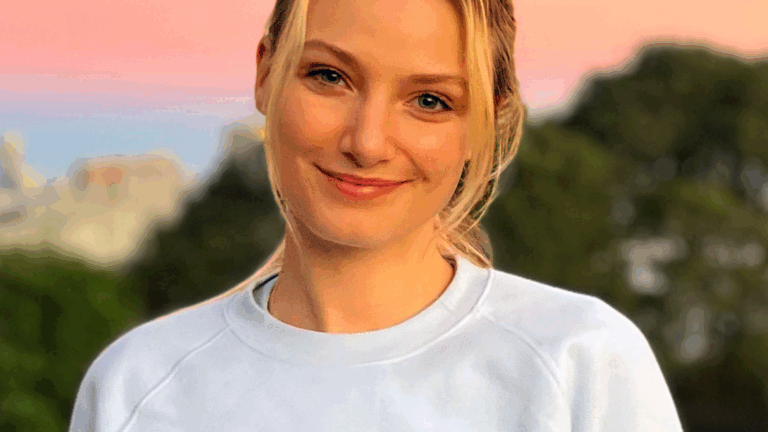
Nadejda Butova
Congratulations to Nadejda Butova, a Ph.D. student in the Molecular Biology program at USC, who was awarded the F31-Ruth L. Kirschstein National Research Service Award (NRSA) Individual Predoctoral Fellowship. With this award, Nadejda will support her dissertation research in the Chiolo lab where she will study the contribution of Ulp1, a SUMO E3 Protease, in the spatial and temporal regulation in the heterochromatic DSB repair pathway. Understanding the role of Ulp1 and uncovering its de-SUMOylation targets will provide a better understanding of the fundamental mechanisms protecting repeated DNAs from massive aberrant recombination and chromosomal rearrangements and illuminate a missing link between HR progression and the stability of repeated DNA sequences. We are delighted that Nadejda won this award and are enthusiastic to see her results!
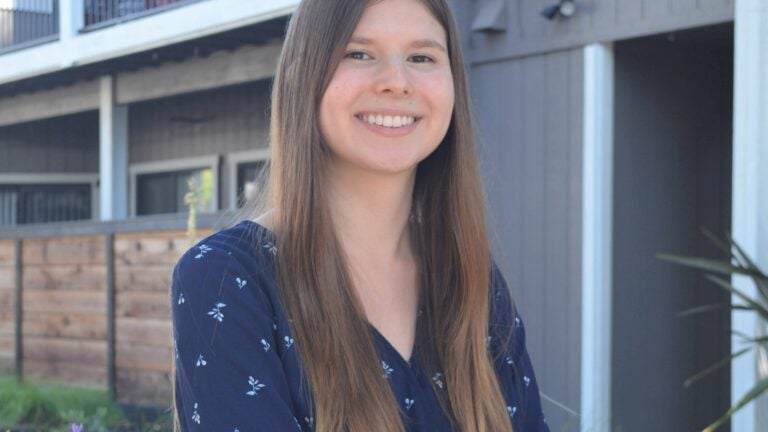
Nina Barr
We are proud to announce that Nina Barr, a fourth-year Ph.D. candidate in the Molecular Biology PhD Program, has been awarded the NIH F31 Ruth L. Kirschstein Predoctoral Fellowship from the National Institutes of Neurological Disorders and Stroke. This prestigious award will support her doctoral research in Dr. Derrick Morton’s lab. Nina is currently investigating the role of the RNA exosome, a conserved RNA decay complex, in cerebellar development. Using human induced pluripotent stem cell–derived cerebellar organoids, she is modeling disease-causing variants in a subunit of the RNA exosome linked to Pontocerebellar Hypoplasia Type 1b, a severe neurodevelopmental disorder. Her research aims to uncover how this RNA decay complex influences the development and function of cerebellar cell types. We congratulate Nina on her well-deserved award and look forward to the insights her doctoral work will bring.

Maria Bustos
We’re thrilled to share that Maria Bustos, a second-year Ph.D. student in the Molecular Biology Program at USC, has been awarded the NIH F31 Ruth L. Kirschstein Predoctoral Fellowship from the Eunice Kennedy Shriver National Institute of Child Health and Human Development! This highly competitive fellowship will fund Maria’s doctoral research in the Phillips Lab, where she studies how nuclear RNA interference (RNAi) is controlled in C. elegans. Her project focuses on the nuclear Argonaute protein HRDE-1, a key player in maintaining germline integrity across generations. Maria is investigating how HRDE-1’s entry into the nucleus is influenced by small RNA binding, post-translational modifications, and interaction with nuclear transport proteins like importins. By combining genetic engineering, high-throughput sequencing, and functional assays, she aims to reveal how these molecular mechanisms uphold genome stability and reproductive health. We’re incredibly proud of Maria’s achievement and look forward to the insights her research will bring to the field of RNA biology and epigenetic inheritance.
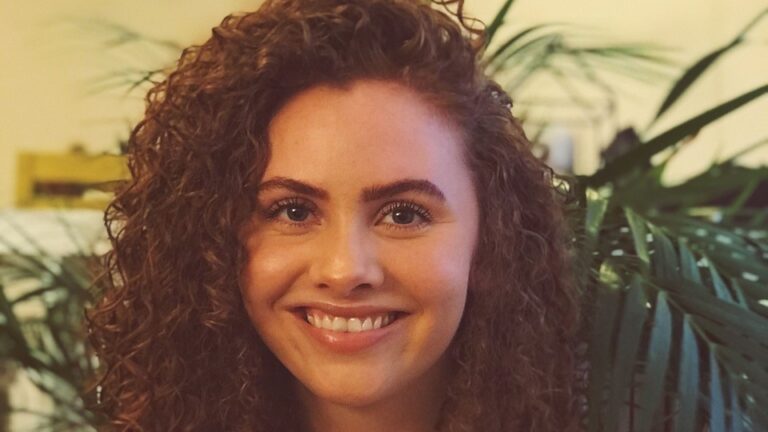
Lauryn Higginson is Awarded 2025 WiSE Susan Montgomery Leadership Award
MCB is proud to announce that Lauryn Higginson has won the 2025 WiSE Susan Montgomery Leadership Award for PhD Students and Postdoctoral Scholars. The award was created to distinguish exceptional Ph.D. students and postdoctoral scholars at USC who are making a positive difference in their scholarly community. Congrats Lauryn!

Dylan Wallis is the Recipient of the 2024/2025 William E. Trusten Award
The award is given to the most accomplished graduate student in the Department of Biological Sciences. Dylan is being recognized for his outstanding service, teaching, and research.
Congratulations to Dylan on this remarkable achievement!

Professor John Tower Issues Provocative New Theory that Instability in Biological Systems Impacts Aging and Evolution
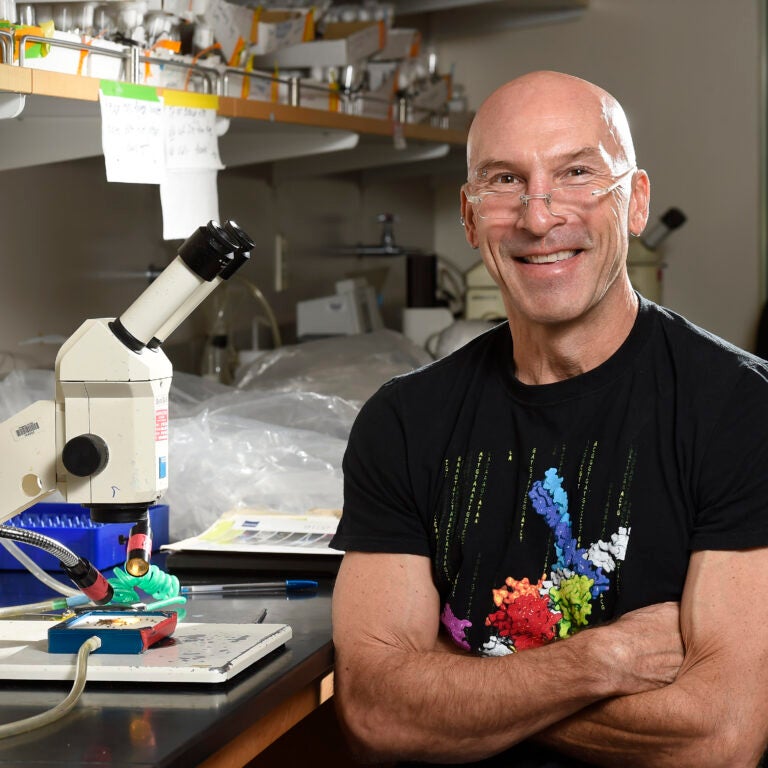
Peter Kuhn Elected to National Academy of Inventors
After early success in drug development for cancer, Dr. Kuhn turned his sights to leading the charge in advancing liquid biopsies, a type of blood test that detects and characterizes circulating tumor cells. Although he focuses on breast cancer, a disease his mother faced, his inventions have been applied for treating prostate cancer as well. His technology has been in use for oncology care since 2016. […] A colleague published a clinical study showing that one of his inventions was effective in differentiating between which patients would benefit from one treatment over another in fighting cancer. Click to read more>>
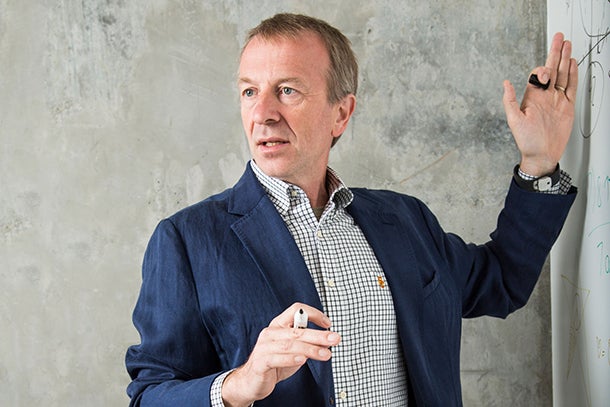
Scott Fraser Appointed to Lead Chan Zuckerberg Initiative at USC
Dr. Scott Fraser was recently named the vice president of science grant programs at the Chan Zuckerberg Initiative (CZI), a philanthropy founded by Priscilla Chan and her husband, Mark Zuckerberg, in 2015. […] At CZI, Fraser now oversees science funding programs and helps advance the organization’s strategy to support promising research, technology platforms, organizations, and scientific networks.Click to read more>>
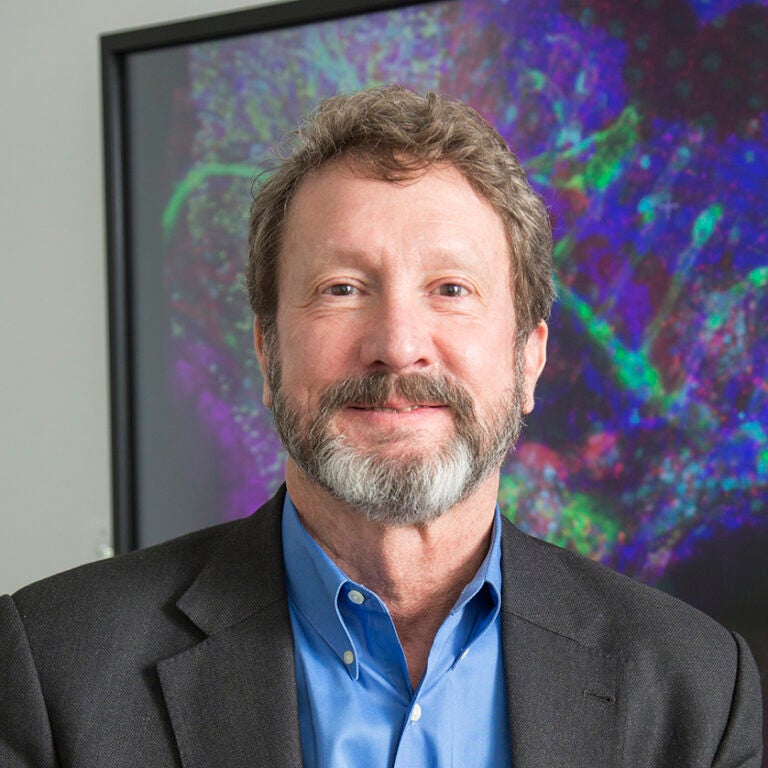
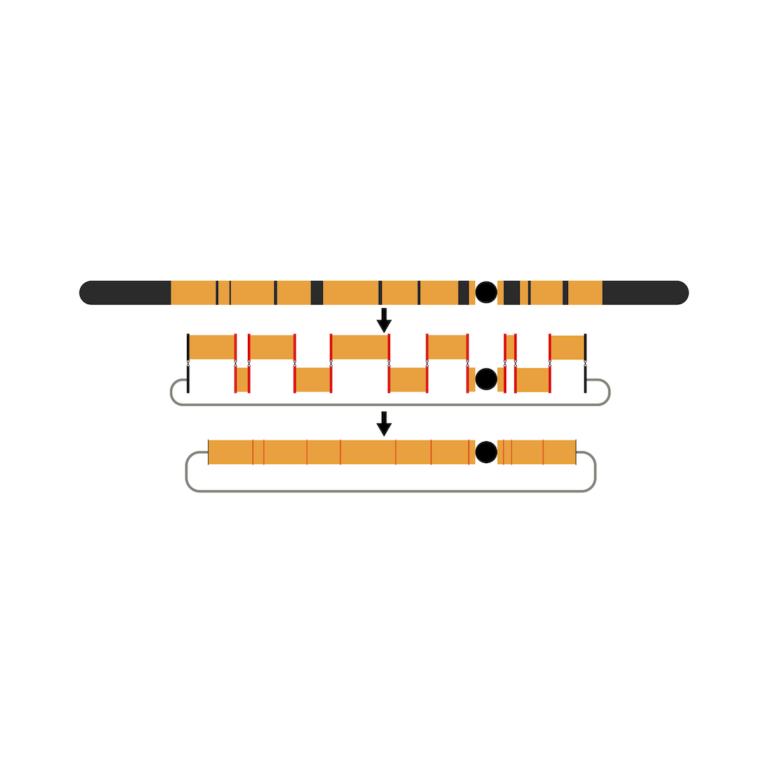
A New Method for Building Synthetic Chromosomes from Natural DNA Pieces.
The lab of MCB faculty member Ian Ehrenreich has reported a new way to construct synthetic chromosomes using natural components. This technique to clone and reassemble DNA, dubbed CReATiNG, simplifies and lowers the cost of making synthetic chromosomes. In doing so, CReATiNG enables diverse studies aimed at exploring how genome content, chromosome structure, and genetic variation impact cellular life and its diversity. Read the paper here and more coverage can be found here.
Gati Lab Explores Immune System Signaling Using Cryo-EM.
The lab of MCB faculty member Dr. Cornelius Gati has just published a breakthrough paper in Cell titled “Molecular basis of anaphylatoxin binding, activation, and signaling bias at complement receptors”. The study reveals 9 cryo-EM structures of the key immune system receptors C5aR1 and C3aR in complex with different G proteins and ligands, explaining their biological and pathological mechanisms. Read the paper here and more coverage can be found here.
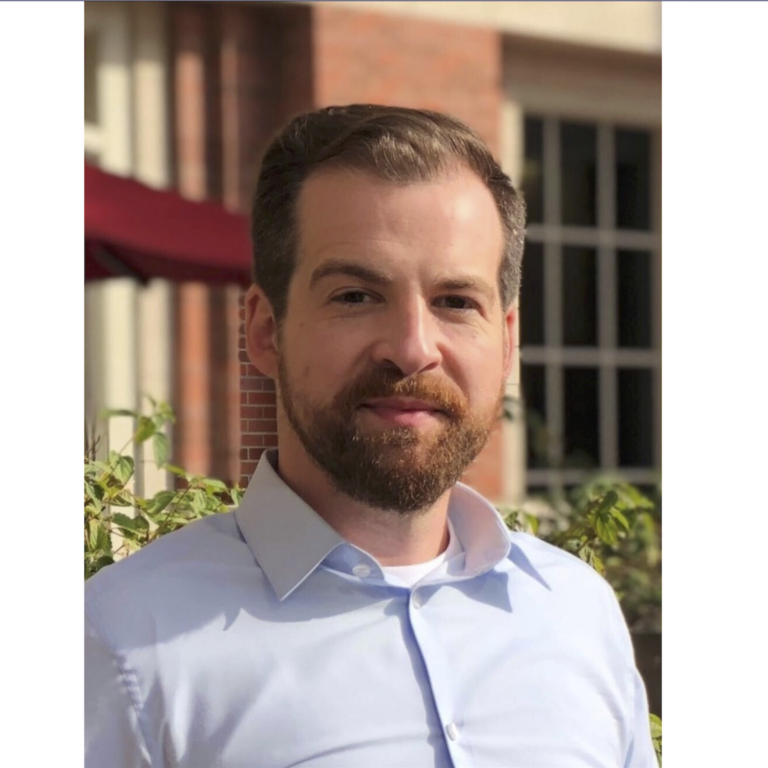
Michael Lab Graduate Students Explore the Mystery of How Gene Expression is Regulated on a Genome-Wide Basis.
Graduate students Mezmur Belew and Emilie Chien of Matt Michael’s laboratory have just published an exciting new paper in PLoS Genetics! The paper addresses a long-standing problem in reproductive and developmental biology: when oocytes undergo long-term arrest, how do they repress transcription globally during the arrest? In humans, females produce all of their germ cells before they are born, and as these cells develop, they ultimately enter a long-term arrest that can last for decades. During this quiescent period transcription is repressed on a genome-wide level. The arrest occurs in meiotic prophase and is a highly conserved feature of oogenesis from humans to the nematode C. elegans. Belew, Chien, and Michael used C. elegans to study transcriptional quiescence and by doing so were able to identify several of the molecular players involved. Read all about it here! Lastly, the Michael Lab said goodbye to Dr. Belew last month as he defended his thesis and is off to do postdoc work with Scott Kennedy at the Harvard Medical School. Good luck Mezmer!
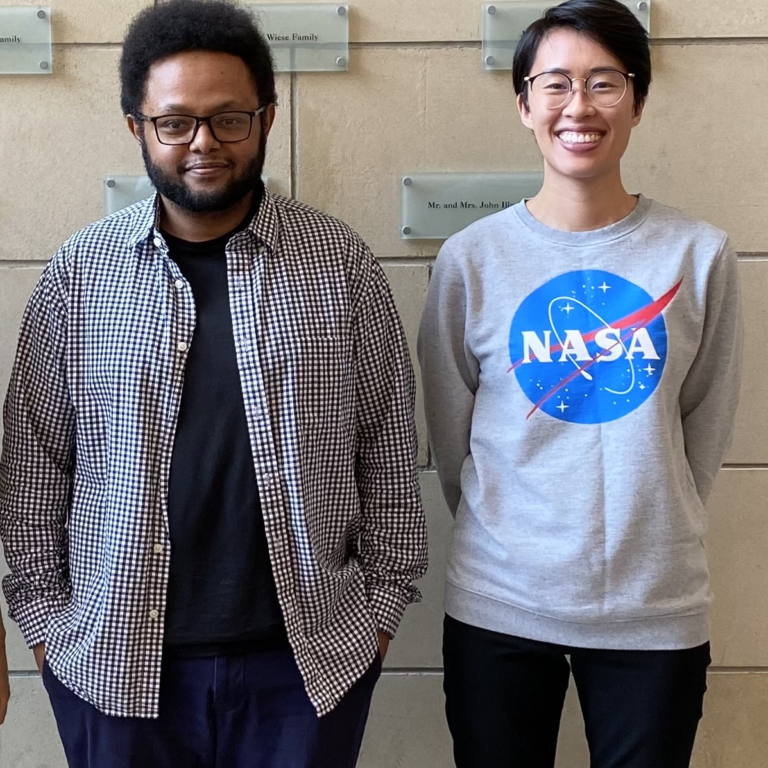
Lauryn Higginson wins prestigious fellowship; two other MCB Graduate Students earn Honorable Mention
MCB is excited to announce that Lauryn Higginson has won a 2023 National Science Foundation Graduate Research Fellowship! These are not easy to get so great job Lauryn! We are also proud to announce that two more MCB students, Brandy Weathers and Maeve Secor, earned an “Honorable Mention” in the NSF competition. Pictured here from left to right are Lauryn, Brandy, and Maeve.
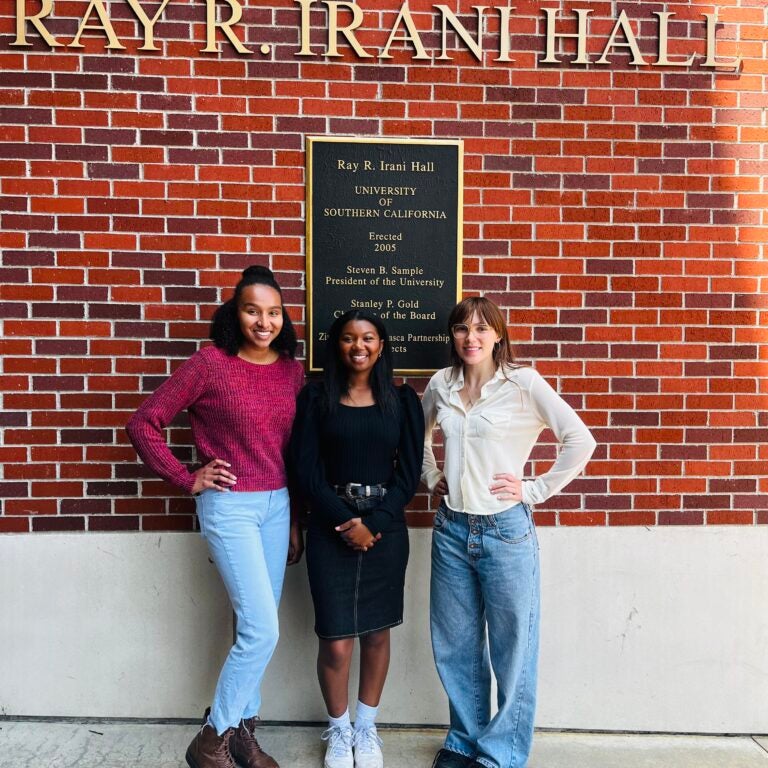
Shihui Chen is Awarded a Gold Family Graduate Fellowship
Congratulations Shihui! This is a well-deserved award!
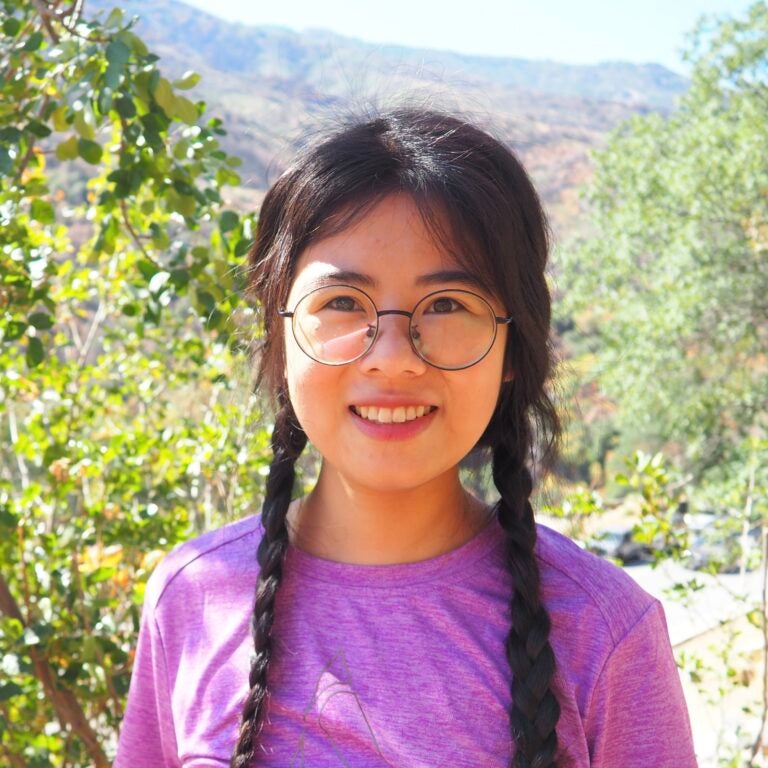
Derrick Morton Awarded a 2023 Sloan Research Fellowship
MCB is excited to announce that Assistant Professor Derrick Morton has been awarded a 2023 Sloan research Fellowship. According to the Sloan Foundation:
The Sloan Research Fellowships seek to stimulate fundamental research by early-career scientists and scholars of outstanding promise.
These two-year, $75,000 fellowships are awarded yearly to early career researchers in recognition of distinguished performance and a unique potential to make substantial contributions to their field.
Good job, Derrick!