Can the seafloor help the ocean absorb more CO2?
The ocean plays a vital role in protecting the planet, absorbing about 31% of the carbon dioxide (CO2) released by human activity, storing it in its waters and neutralizing some of it by reacting with sediments. This natural process has helped keep Earth’s climate in balance for millennia, but it moves slowly, unfolding over thousands of years.
Today, with carbon emissions rising far faster than the ocean can absorb them, scientists are looking for ways to better understand — and potentially enhance — the ocean’s natural ability to capture and store carbon.
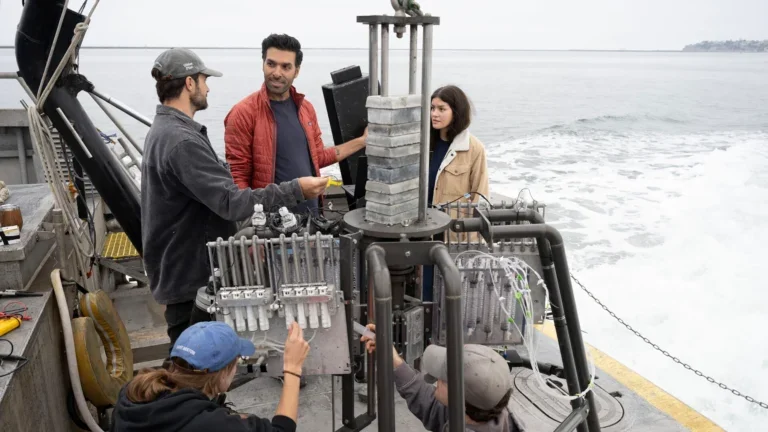
Just beyond the surf at Huntington Beach, a team of USC oceanographers is investigating the potential role of the sandy ocean floor in this process.
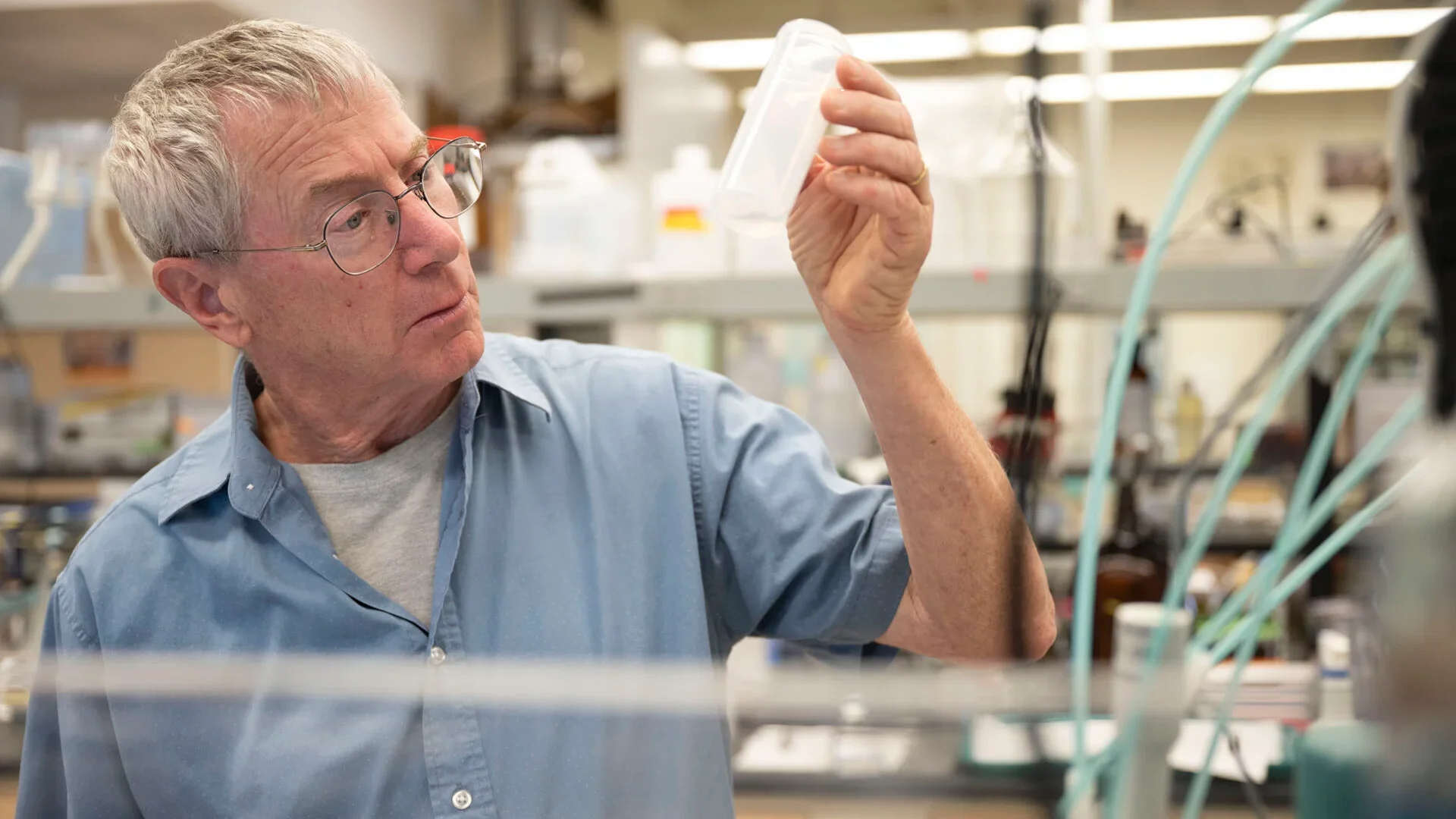
“The seafloor is actively involved in carbon cycling,” said Will Berelson, the Paxson H. Offield Professor in Coastal and Marine Systems at the USC Dornsife College of Letters, Arts and Sciences and the study’s lead researcher.
“In this shallow area just offshore, where waves and currents are constantly stirring up the sandy bottom, we’re seeing chemical reactions take place in the tiny pockets of water between grains of sand,” he said. “Those reactions might help the ocean store more carbon, and we’re trying to find out how prevalent and effective is this natural process.”
Original article posted by Nina Raffio on USC Today.