Advancing Effective Ocean Litter Solutions for California
Project Background:
Litter and plastic pollution remain persistent challenges in California, with the heaviest impacts on urban areas like Los Angeles, where high population density, impaired waterways, and infrastructure limitations intersect. In 2008, California was first in the nation to develop and adopt an ocean litter reduction and prevention strategy. In 2018, the plan, jointly led by the NOAA Marine Debris Program and the California Ocean Protection Council and retitled as the “Ocean Litter Prevention Strategy” (OLS) was updated by over 50 organizations, laying out goals and actionable objectives for addressing litter between 2018–2024. A 2022 review found that pollution-affected groups and regions were underrepresented in implementation, with barriers including financial constraints, limited staffing, and a lack of social capacity.
Goal & Objectives:
With funding from the Bipartisan Infrastructure Law, University of Southern California Sea Grant, California Sea Grant, and the California Ocean Protection Council were awarded a project that aimed to strengthen ocean litter prevention by:
- Identifying geographic and social gaps in participation in the statewide Ocean Litter Strategy (OLS)
- Assessing the needs of a densely urban, litter-impacted region through a case study of the city of Los Angeles
- Exploring ways to guide more coordinated investments in community-based marine debris solutions
Key Results:
- The gap analysis revealed that participation in the OLS was strongest from government, industry, and environmental non-profits, while tribal, socio-environmental, and community-based groups were underrepresented. Most implementation was led by environmental non-profits, with webinars serving as the most accessible and highly attended engagement format.
- A Los Angeles community needs assessment, guided by a Community Advisory Group, gathered input from local organizations and revealed concerns, initiatives, and ways the OLS could better support impacted communities. In particular, the assessment revealed:
- Local Perspectives: Residents cited single-use packaging, cigarette butts, and bulky items as top issues, concentrated in beaches, waterways, and underserved areas. Litter was tied to health risks, financial burdens, and frustration among residents, with language shaping perceptions of responsibility and solutions.
- Priority Issues: Litter was seen as reflecting deeper inequities, policy failures, and uneven infrastructure investment. Cultural and educational gaps also shaped responses and expectations around responsibility.
- Current Initiatives: Los Angeles hosts policy and cleanup programs, however residents perceived government priorities as misaligned with community concerns, emphasizing cleanup over prevention. Stronger coordination, prevention, and co-production were seen as key to maximizing impact.
- OLS Challenges and Opportunities: Barriers to participation included lack of time, funding, and alignment with local priorities. Suggested improvements included early outreach, partnerships with under-engaged groups, consistent events, financial support, recognition, education, and stronger community–agency connections.
- Funding was identified as a major barrier, with city budgets stretched and philanthropic funds limited. Tools such as a funding repository and best practices guide were created to improve access. Sustained investment is essential to support long-term community action.
Final Report & Resources:
- Final report – includes considerations for convening and activating coalitions to address coastal pollution as well as specifically for strengthening the effectiveness of the OLS
- Funding challenges and best practices guide – a two-page infographic sheet for funders looking to reduce common challenges faced by communities applying for funding
- Funding opportunities repository – grant tracker of current funding opportunities for projects related to ocean litter prevention in California, with instructions for how to add new funding resources
Principal Investigators:
- Sydney Rilum, M.S., University of Southern California
- Amalia Aruda Almada, Ph.D., University of Southern California
- Theresa Sinicrope Talley, Ph.D., University of California, San Diego
- Tanya Torres, M.S., University of California, San Diego
Partners & Collaborators:
- Kaitlyn Kalua, Ocean Protection Council
- Kyla Kelly, Ocean Protection Council
- Christy Kehoe, NOAA Marine Debris Program
Funding:
This project was funded by the NOAA Marine Debris Program from 2023-2025 (NOAA National Sea Grant Program’s Marine Debris Challenge Competition, through the Bipartisan Infrastructure Law), Project Number: NA23OAR4170154
Additional Information:
Outreach & Engagement:
Below are photos from various presentations and outreach events during the project’s timeframe, including:
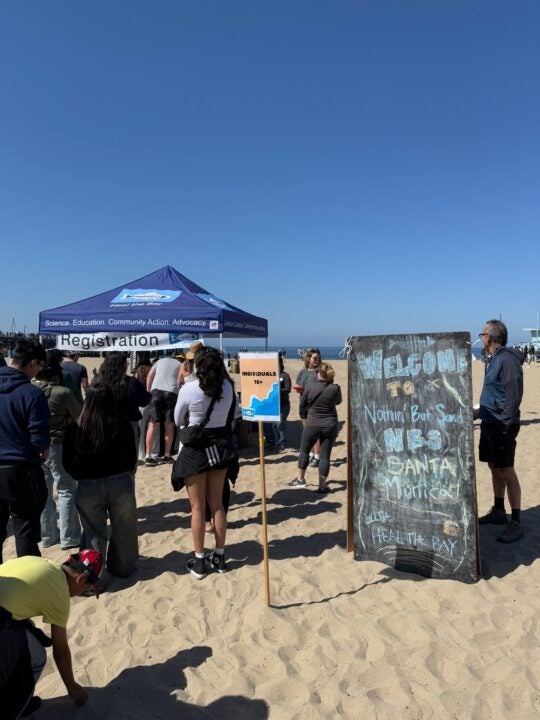
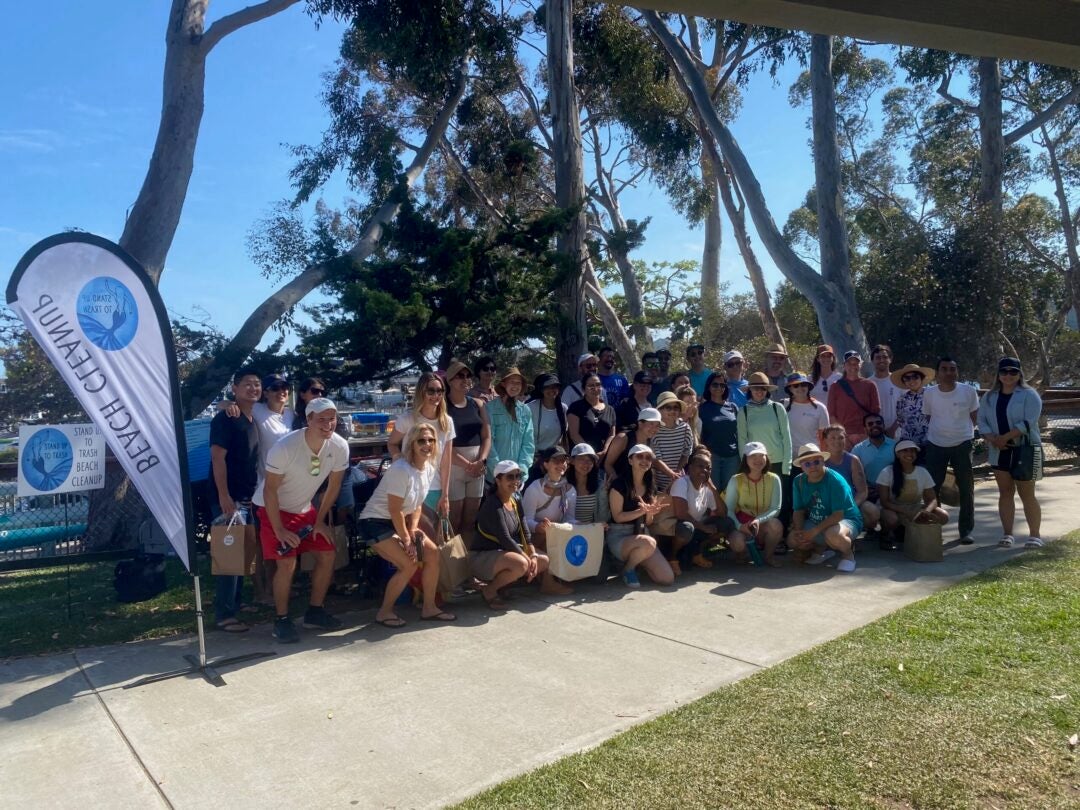
- Beach clean-ups in Dana Point, CA, with Stand Up to Trash and in Santa Monica, CA, with Heal the Bay (environmental non-profit partners who participated in the Ocean Litter Strategy’s goal-specific workgroup meetings); and
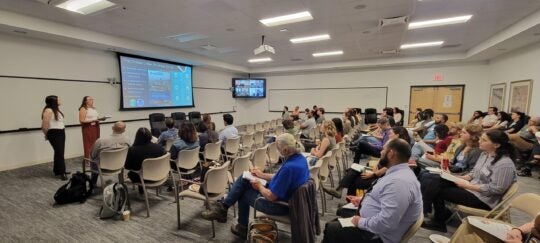
- Presentations at the 2025 Sea Grant Marine Debris Symposium in Silver Spring, MD, and the 2024 CAERS (California Estuarine Research Society) Conference at SCCWRP (Southern California Coastal Water Research Project) in Costa Mesa, CA.






Stand Up to Trash clean-up in Dana Point, CA (July 2023)

Stand Up to Trash clean-up in Dana Point, CA (July 2023)
Trash collected at Santa Monica Beach during Heal the Bay’s Earth Month clean-up (April 2025)

Heal the Bay’s “Nothin’ But Sand” clean-up in Santa Monica, CA (April 2025)

Heal the Bay’s “Nothin’ But Sand” clean-up in Santa Monica, CA (April 2025)

NOAA Marine Debris Program CA Coordinator, Stand Up to Trash Founder & President, and CA and USC Sea Grant Marine Debris Specialists at a clean-up event in Dana Point, CA (July 2023)

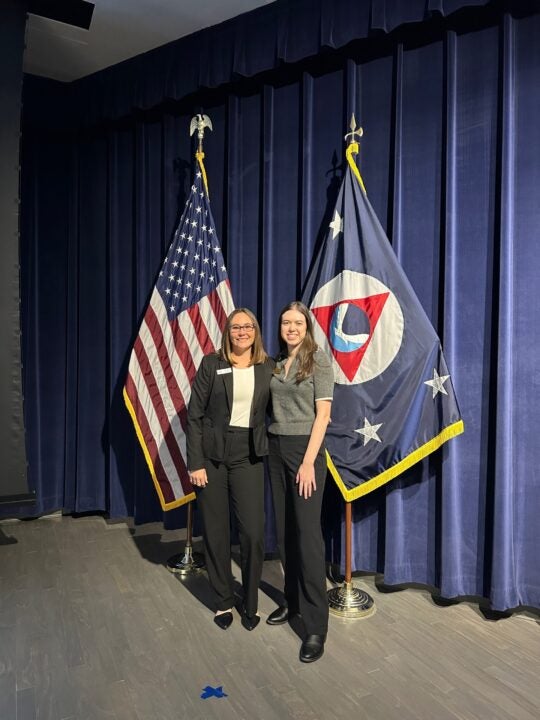
CA Sea Grant and USC Sea Grant’s Marine Debris Specialists at the annual Sea Grant Marine Debris Symposium in Silver Spring, MD (November 2024)

CA Sea Grant and USC Sea Grant’s Marine Debris Specialists at the annual Sea Grant Marine Debris Symposium in Silver Spring, MD (November 2024)

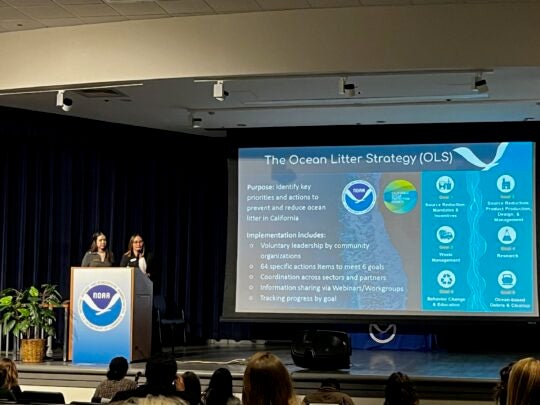
CA Sea Grant and USC Sea Grant’s Marine Debris Specialists presenting project background and updates at the annual Sea Grant Marine Debris Symposium in Silver Spring, MD (November 2024)

CA Sea Grant and USC Sea Grant’s Marine Debris Specialists at the 2025 CAERS (California Estuarine Research Society) Conference at SCCWRP (Southern California Coastal Water Research Project) in Costa Mesa, CA (April 2025)

CA Sea Grant and USC Sea Grant’s Marine Debris Specialists presenting gap analysis and needs assessment results and leading a panel with Community Advisory Group members (April 2025)

CA Sea Grant state fellows (David Boehmer and Grace Young) alongside CA Sea Grant’s Marine Debris Specialist (Tanya Torres) and USC Sea Grant’s Marine Debris Specialist (Sydney Rilum) and Coastal Resilience Specialist (Dane Lazarus) at the 2025 CAERS Conference (April 2025)