Skip to Content

What are you looking for?

  • News and Events
  • Public Exchange
    • Current Students
    • Faculty
    • Staff
    • Faculty Directory
    • Staff Directory
  • Alumni
  • Giving
USC.edu
    • The Academy in the Public Square
      Beyond the laboratories, research centers and classrooms, USC Dornsife serves as a dynamic intellectual resource that is woven into the fabric of our communities.
    • Life in L.A.
    • Our Students
    • Our Leadership
    • Dornsife at a Glance
    • Dana and David Dornsife
    • The Future of Scholarship
      • Faculty Awards & Honors
      • News Briefs
    • Research Centers and Institutes
    • Signature Research Initiatives
      • Harnessing AI for Good
      • Emerging Areas of Scholarship
      • Quantum Information Science
      • The Art + Science of Human Wellbeing
      • Sustainability: Human Factors
      • Public Exchange
    • Facilities
    • Undergraduate Education
      • Your Dornsife Degree
      • General Education Program
      • Special Programs
      • Undergraduate Research
      • Academic Advising and Support
    • Majors and Minors
    • Dornsife Intensives
    • Academic Scholarships
    • Learning in the World
    • Preparing for Your Future
      • Career Pathways
    • PhD Studies
      • PhD Programs
      • PhD Academy
    • Master’s & Professional Studies
      • Master’s & Professional Programs
    • Undergraduate Admission
    • Graduate Admission
  • Departments, Centers, & Institutes
    • Academic Departments
      • HUMANITIES
      • American Studies and Ethnicity
      • Art History
      • Classics
      • Comparative Literature
      • East Asian Languages and Cultures
      • English
      • French and Italian
      • Gender and Sexuality Studies
      • Latin American and Iberian Cultures
      • Philosophy
      • Religion
      • Slavic Languages and Literatures
      • Thematic Option
      • Writing Program
      • LIFE SCIENCES
      • Human and Evolutionary Biology
      • Marine and Environmental Biology
      • Molecular and Cellular Biosciences
      • Neurobiology
      • Psychology
      • Quantitative and Computational Biology
      • MATH AND PHYSICAL SCIENCES
      • Chemistry
      • Earth Sciences
      • Mathematics
      • Physics and Astronomy
      • SOCIAL SCIENCES
      • Anthropology
      • Economics
      • Environmental Studies
      • History
      • Linguistics
      • Middle East Studies
      • Political Science and International Relations
      • Sociology
      • Spatial Sciences Institute
    • Centers & Institutes
      • CULTURE & SOCIETY
      • Archaeology Research Center
      • Black Studies Center
      • Casden Institute for the Study of the Jewish Role in American Life
      • Center for Advanced Genocide Research
      • Center for Ethnographic Media Arts
      • Center for Feminist Research
      • Center for Islamic Thought, Culture and Practice
      • Center for Latinx and Latin American Studies
      • Center for Law and Philosophy
      • Center for Law, History and Culture
      • Center for Religion and Civic Culture
      • Center for the Premodern World
      • Center for Transpacific Studies
      • Conceptual Foundation of Conflict Project
      • Consortium on Gender, Sexuality & Race in Popular Culture
      • East Asian Studies Center
      • Equity Research Institute
      • Francophone Research and Resource Center
      • Huntington-USC Institute on California and the West
      • Institute for Advanced Catholic Studies
      • Institute of Armenian Studies
      • Korean Studies Institute
      • Los Angeles Institute for the Humanities
      • Max Kade Institute for Austrian-German-Swiss Studies
      • Mind and Society Center
      • Shinso Ito Center for Japanese Religions and Culture
      • The West on Fire
      • USC-Huntington Early Modern Studies Institute
      • GLOBAL SYSTEMS
      • Alice, George and Harold Kachigian Center for Active Learning in International Studies
      • Center for International Studies
      • Center for the Political Future
      • Center on Science, Technology, and Public Life
      • Institute on Ethics & Trust in Computing
      • Spatial Sciences Institute
      • Unruh Institute of Politics
      • USC Wrigley Institute for Environment and Sustainability
      • LANGUAGE & CREATIVITY
      • American Language Institute
      • Center for Languages and Cultures
      • Levan Institute for the Humanities
      • Visual Studies Research Institute
      • Writing Center
      • LIFE SCIENCES
      • Brain and Creativity Institute
      • Bridge Institute
      • Center for Computational Language Sciences
      • Center for Ecological and Evolutionary Dynamics
      • Center for Music, Brain and Society
      • Center for New Technologies in Drug Discovery and Development
      • Center for Peptide and Protein Engineering
      • Center for the Changing Family
      • Center for Synthetic Living Systems
      • Convergent Science Institute in Cancer
      • Dana and David Dornsife Cognitive Neuroimaging Center
      • New Microbes For New Beneficial Natural Products
      • Psychology Services Center
      • USC Sea Grant
      • PHYSICAL SCIENCES
      • Agilent Center of Excellence in Biomolecular Characterization
      • Center for Applied Mathematical Sciences
      • Center for Quantum Information and Science Technology
      • Center of Excellence in Molecular Characterization
      • Center of Excellence in NanoBiophysics
      • Core Center of Excellence in Nano Imaging
      • Loker Hydrocarbon Research Institute
      • Statewide California Earthquake Center
      • The Plastics Problem
      • The Urban Critical Zone
    • Explore All
      Browse all of our departments, programs, centers, and institutes
Marine and Environmental Biology
  • Home Page
  • Undergraduate
    • Minor in Marine Biology
    • B.S. in Biological Sciences (Ecology, Evolution and Environment)
    • B.S. in Biological Sciences (Marine Biology)
    • Advisement
    • Undergraduate Research
    • Progressive Degree Path
  • Graduate
    • Current Students
    • Prospective Students
  • Research Themes
  • Facilities
  • Our Community
    • ACE
    • How to MEB
  • People
    • Leadership
    • Tenured/Tenure Track Faculty
    • RTPC Faculty
    • Emeritus/Associated Faculty
    • Graduate Students
    • Post Docs
    • Staff
  • What’s New
  • Contact Us

Research Themes

Marine and Environmental Biology

Section 1: Adaptation, evolution, and population dynamics for marine animals

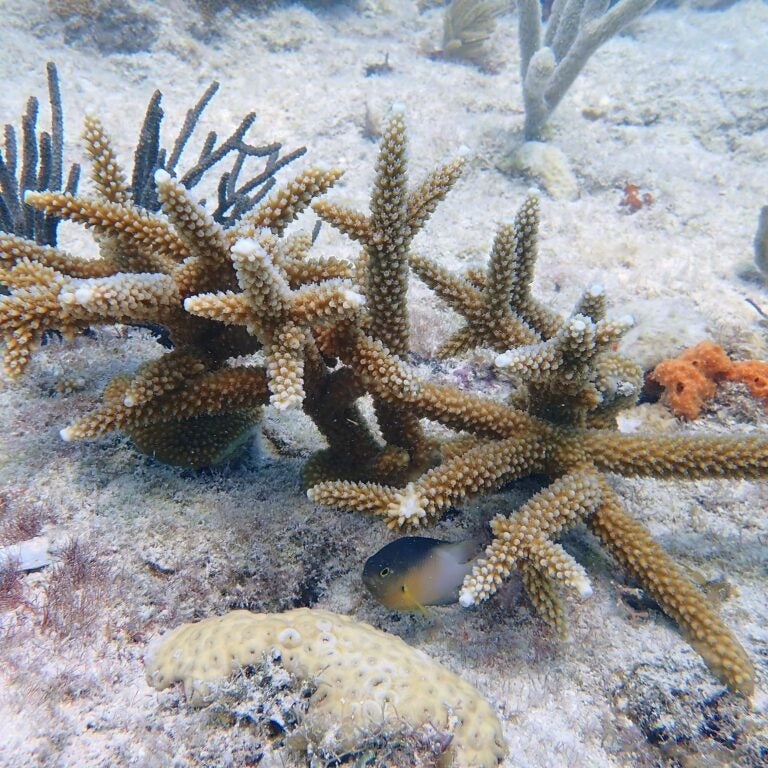
What are the physiological and genetic mechanisms that enable marine organisms to adapt to the dynamic and often extreme environments in the ocean? MEB faculty use a variety of genomic tools and rigorous experimental approaches to answer question such as this and to tease apart the “Nature” and “Nurture” components of evolution, adaptation, and persistence in temperate, polar, and deep sea environments.
Marine and Environmental Biology

Section 2: Living marine resources

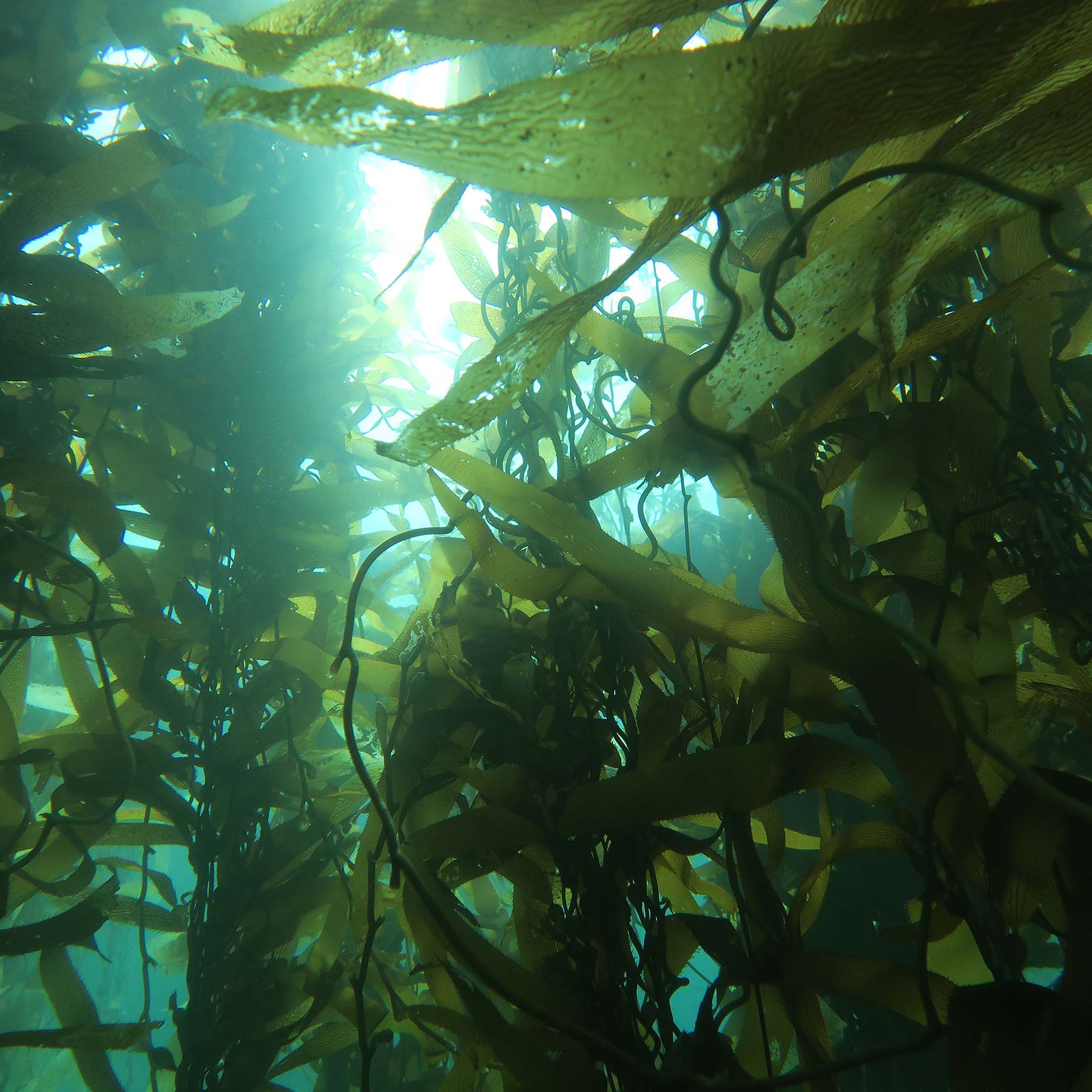
Seafood sustainability and security are fast becoming major environmental issues. Together with the Wrigley Institute for Environmental Studies, MEB faculty seek to promote science-based management and conservation of living marine, primarily through an appropriate mix of basic science, applied science and targeted environmental impact research. We address longstanding fundamental questions about the predictability of reproductive success for marine organisms with complex life cycles (the “Recruitment Problem”) and work to enhance the quality, sustainability, and economic efficiency of aquaculture through interdisciplinary work on genetics, physiology, and ecological modeling.
Marine and Environmental Biology

Section 3: Marine microbiology

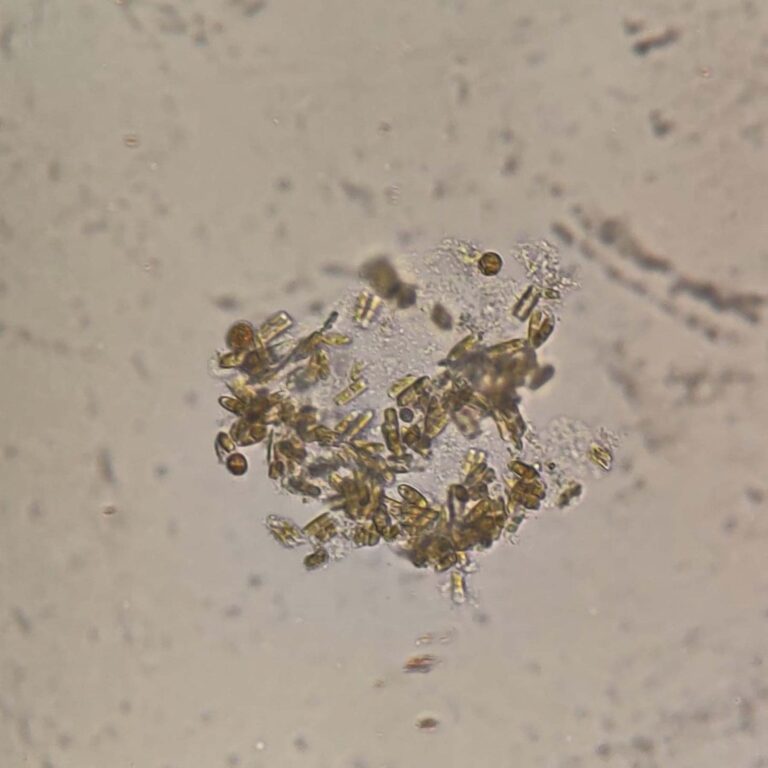
Marine microbes (viruses, prokaryotes, and protists), though too small to be seen with the unaided eye, comprise the bulk of life in the sea and play significant roles in the cycling of nutrients, minerals, and energy in the ocean. Marine microbes also have great significance for human health and the quality of coastal environments. MEB faculty develop and use a variety of tools and approaches to understand microbial diversity, abundance, and population dynamics as well as the role of microbes in marine ecosystems from the poles to the tropics and from the benthos to the plankton.
Marine and Environmental Biology

Section 4: Global biogeochemical cycles

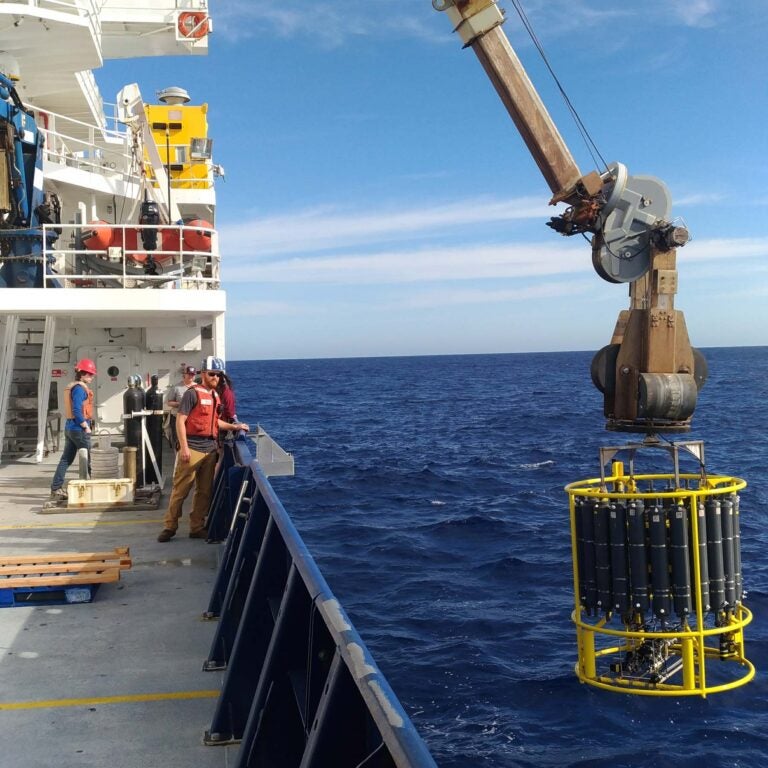
The natural cycling of elements, such as nitrogen and carbon, and trace minerals is of critical interest in the debate over global warming and climate change. Learning about the ability of bacteria to promote the absorption of greenhouse gases may shed light on how the oceans might buffer the effects of pollution. MEB faculty, in conjunction with faculty in the Geobiology Program and the Department of Earth Sciences, research the role and importance of marine bacteria in biogeochemical cycles, as well as the response of bacterial populations to various environmental perturbations.
Marine and Environmental Biology

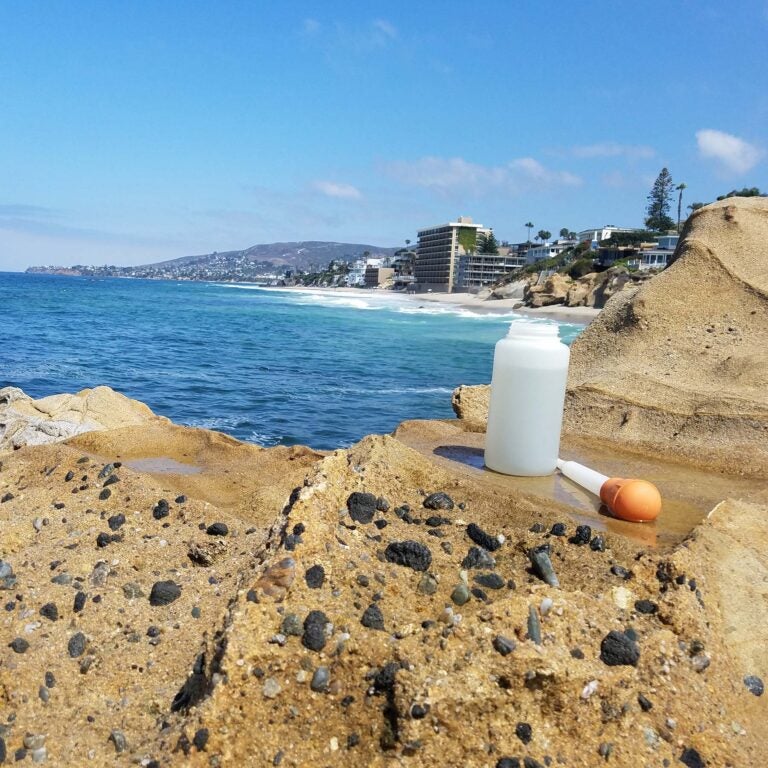
Section 5: Coastal water quality

The majority of people live near an ocean coast and are impacted by the quality of coastal waters. Nowhere is this more apparent than in the Los Angeles basin, where 17 million people depend on the Southern California Bight for a variety of goods and services, ranging from recreation to waste disposal, and thus face a variety of environmental quality issues and potential human health hazards. MEB researchers address issues in coastal water quality in an interdisciplinary fashion, using the methods of physical and biological oceanography, remote sensing, microbial ecology, molecular ecology, and environmental genomics.
Marine and Environmental Biology

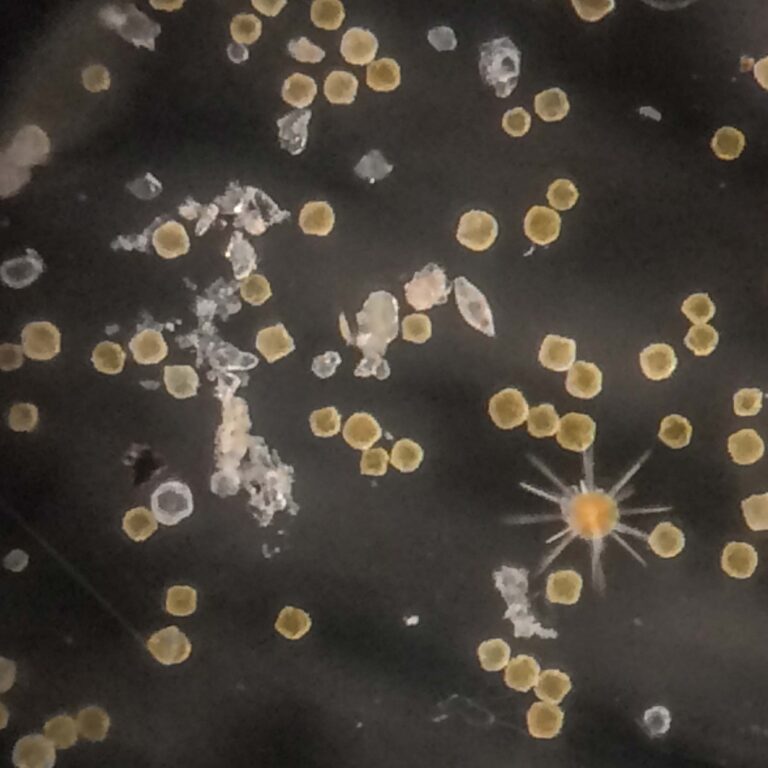
Section 6: Marine environmental genomics

Whole genome sequencing and metagenomic analysis of microbes in marine environments have revolutionized the study of marine ecosystems. MEB faculty use genomic tools to explore the ecology and dynamics of a wide range of microbially dominated ecosystems. Microbes control most of the cycling of elements on the planet and comprise biofilms, which are important in many practical settings, such as tooth decay and material corrosion. Genomic approaches reveal what microbes are present in these complex ecosystems, what they are capable of doing, and what part of their potential metabolic machinery is active in the ecosystem.
Marine and Environmental Biology

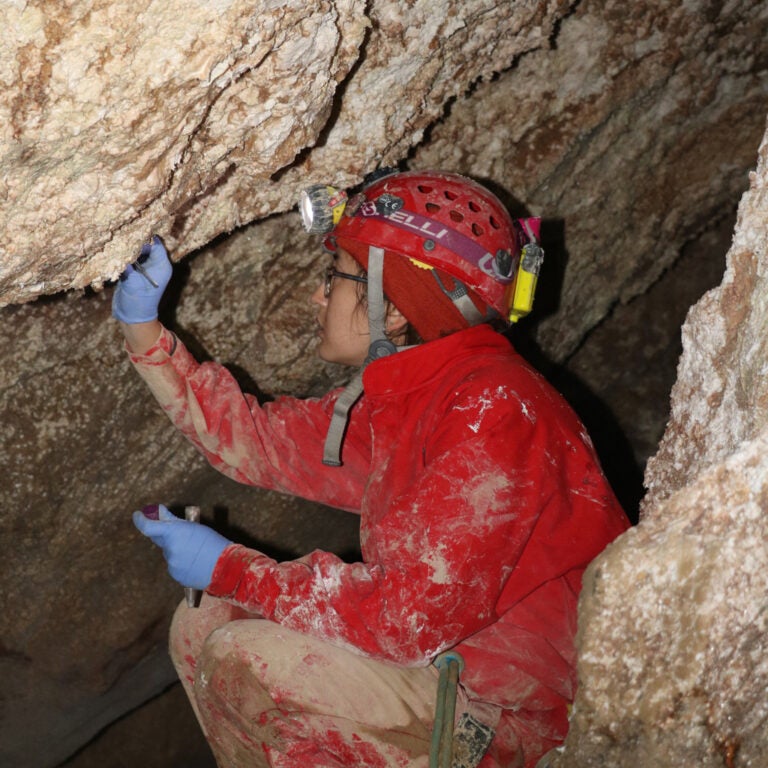
Section 7: Geobiology

A number of MEB faculty investigate questions in the field of geobiology, a term that describes the broad mix of science at the interface between the life and earth sciences.
  • Academics
    • Majors and Minors
    • Undergraduate Education
    • Master’s & Professional Studies
    • PhD Studies
    • Scholarship Award Non-Discrimination
  • Directories & Maps
    • Our Faculty
    • Our Staff
    • Social Media Directory
    • Campus Maps
  • Access & Support
    • Dornsife Technology Services
    • MyDornsife
    • 365 Web
    • USC Zoom
  • Trojan Family
    • Alumni Relations
    • USC Dornsife Magazine
    • Dornsife Dialogues
    • Commencement
    • Career Pathways
  • Dornsife at a Glance
  • Contact Us
  • Privacy
  • Digital Accessibility
  • Emergency Information
  • Notice of Non-Discrimination

Copyright © 2026 University of Southern California