Call for Applications
2026 Beth and Arthur Lev Student Research Fellowship
Call for Applications
2026 Beth and Arthur Lev Student Research Fellowship
Deadline:
November 23, 2025
The USC Dornsife Center for Advanced Genocide Research invites research proposals from USC undergraduate students and USC graduate students for the 2026 Beth and Arthur Lev Student Research Fellowship.
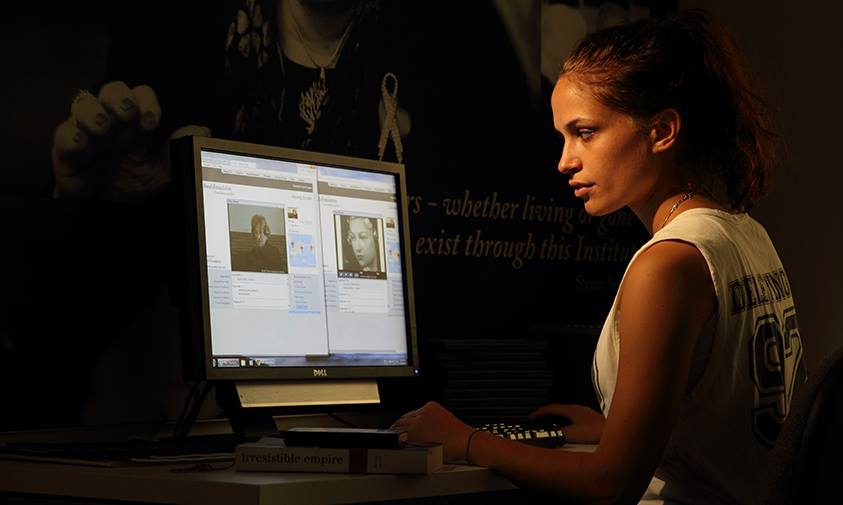
The fellowship provides $1,500 support for USC undergraduate students or $3,000 support for USC graduate students from any academic discipline doing research focused on the testimonies of the Visual History Archive and/or other related USC resources and collections. (Read more about these resources below.)
The Beth and Arthur Lev Student Research Fellow will be expected to be in residence at the USC Dornsife Center for Advanced Genocide Research during Spring 2026 (10 hours per week for 15 weeks). The distribution of these hours is negotiable. For students who wish to conduct research during Summer 2026 or Fall 2026, please apply during the application period in Spring 2026. (Applications will open at the end of January 2026.)
The Lev Student Research Fellow will be expected to play a role in the activities of the Center and to give a public presentation based on their work and findings during the following academic year (2026-2027).
Award decisions for the fellowship will be based on the originality of the research proposal and the centrality of USC resources to the research project.
Founded in 2014, the USC Dornsife Center for Advanced Genocide Research distinguishes itself from other Holocaust and genocide research institutes by offering access to unique research resources and by focusing its research efforts on the interdisciplinary study of currently under-researched areas. For more information, visit our website here.
USC Resources
The Visual History Archive is a collection of over 59,000 audiovisual testimonies of survivors and witnesses of the Holocaust and other genocides, including the Rwandan, Armenian, Guatemalan, Cambodian genocides, the Nanjing Massacre in China, anti-Rohingya mass violence, and war and genocide in Bosnia and Herzegovina. The majority of testimonies are life history interviews in which interviewees discuss their lives before, during, and after genocide and mass violence. With interviews conducted in 70 countries and in 37 languages, testimonies capture both the individual experience of mass violence and the social and cultural history of the 20th century on a global scale. Learn more about the Visual History Archive here.
In addition to the Visual History Archive, other internationally unique and growing research resources at USC include the extensive Holocaust and genocide studies collection at USC Libraries, which contains 30,000 primary and secondary sources including the original transcripts of the Nuremberg trials and the materials of the New York Life Insurance settlement regarding the Armenian genocide. Unique primary sources in the Special Collections at USC include the Feuchtwanger Memorial Library, which also houses the private papers of dozens of emigrants from the Third Reich, as well as private collections from Jewish Holocaust survivors and liberators.
Academic Disciplines
The fellowship is open to USC students from any academic discipline. Since the Center’s founding, students across disciplines have worked with these resources in innovative and creative ways. Find out more on our website about past student research fellows from the following fields: American Studies and Ethnicity; Anthropology; Art; Cinematic Arts; Comparative Literature; Comparative Studies in Literature and Culture; Creative Writing; English; English Literature; Game Development and Interactive Design; Global Studies; History; International Relations; Jewish Studies; Journalism; Law, History, and Culture; Media Arts and Practice; Politics, Philosophy, and Law; Public Policy and Leadership; Narrative Studies; Psychology; and Sociology.
Read about the Center’s past Lev Student Research Fellows here.
Application Instructions
To submit an application:
Email the materials below to cagr@usc.edu or submit them electronically to the Fellowships page of the Center’s website. (Visit https://dornsife.usc.edu/cagr/fellowships/lev-fellowship/ and click Apply.)
- cover letter (including proposed dates of residency)
- current CV
- research proposal (1-3 pages), which should include a project outline and description of methodology
- recommendation letter from a faculty advisor submitted directly by your letter-writer to cagr@usc.edu.
The deadline for submissions is November 23, 2025.
For questions, please contact cagr@usc.edu.
Download the Call for Applications here.