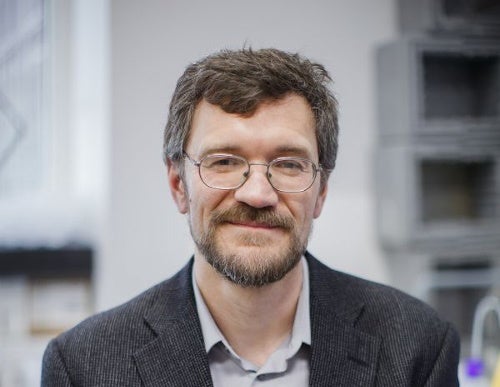
Vadim Cherezov
Professor of Chemistry
Chemical Biology
Physical
Our group is focused on deciphering functional mechanisms of membrane proteins in health and disease, using cutting edge structural, biophysical and biochemical approaches.
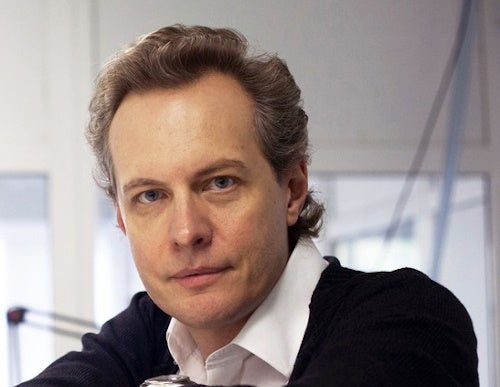
Valery Fokin
Professor of Chemistry
Chemical Biology
Organic
We are involved in the broader area of organic synthesis with applications in chemical biology.
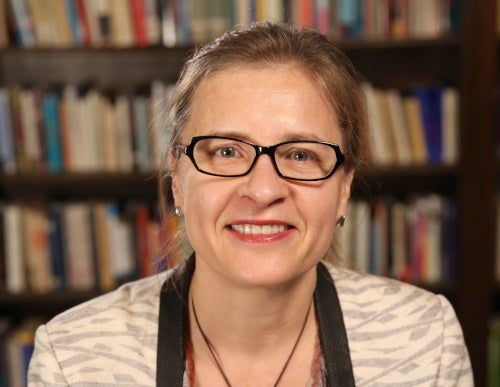
Anna Krylov
Professor of Chemistry
Chemical Biology
Physical
Theoretical
The Krylov group develops theoretical methods and state-of-the-art computer codes for treating electronically excited and open-shell species. We apply these tools to study bioimaging, plasma, solar energy, quantum information science, and spectroscopy modeling, often in collaboration with experimentalists.
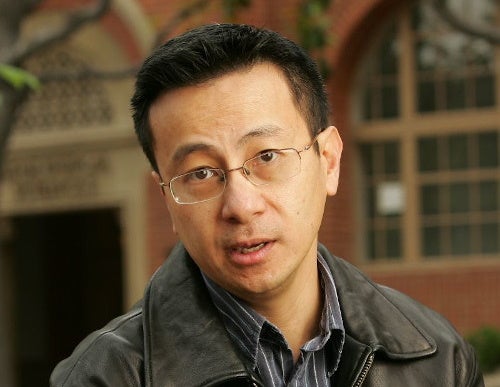
Chi H. Mak
Professor of Chemistry
Chemical Biology
Physical
Theoretical
Our group is focused on formulating rigorous theories and efficient computational strategies to understand the fundamental driving forces that dictate how nucleic acids fold and unfold, and the aberrant functions that result when they misfold.
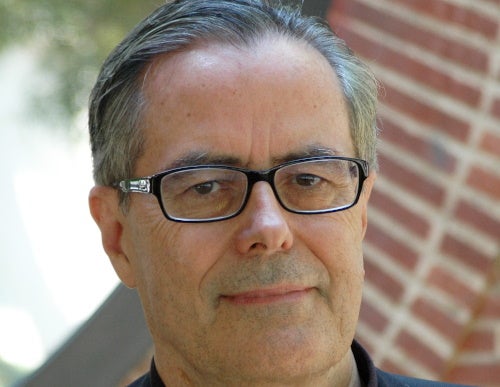
Charles E. McKenna
Professor of Chemistry
Chemical Biology
Organic
We are a drug discovery and medicinal chemistry lab using organic synthesis, computer-assisted design modeling, and a network of more than 20 biological collaborators to devise and develop molecules for the treatment of viral, bacterial and fungal infections, as well as cancer. Another area of interest is the creation of novel imaging agents targeting bone diseases.

Nicos A. Petasis
Harold E. and Lillian M. Moulton Chair and Professor of Chemistry and Pharmacology
Chemical Biology
Organic
Our research interests include the development of novel chemical reactions, the total synthesis of bioactive lipid mediators for applications in drug discovery, and the development of novel therapeutics.
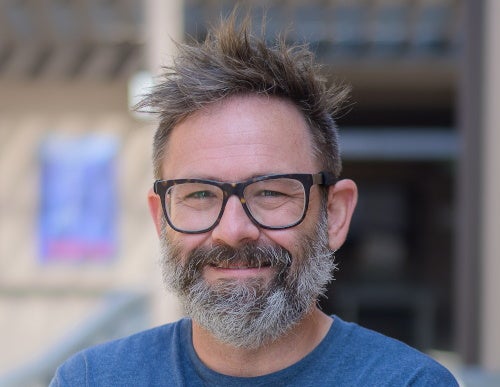
Matthew R. Pratt
Professor of Chemistry
Chemical Biology
Organic
We are interested in the biological consequences of protein posttranslational modifications, with a focus on glycosylation. We utilize a combination of organic synthesis, bioorthogonal reactions, and synthetic protein chemistry to accomplish these goals.
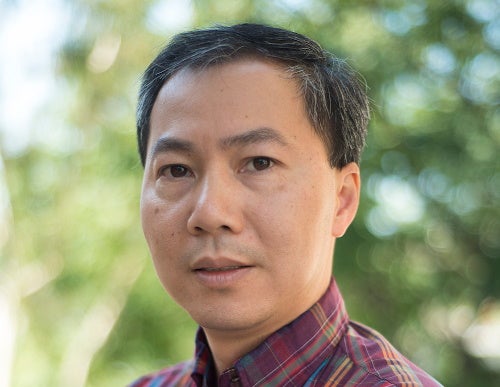
Peter Z. Qin
Professor of Chemistry
Physical
Chemical Biology
We are interested in understanding the mechanisms of specific recognition of nucleic acids that inform genome engineering as well as developments in diagnostics and therapeutics. We use Site-Directed Spin Labeling (SDSL) and other tools to study the relationship between structure, dynamics, and function in nucleic acids and protein-nucleic acid complexes.
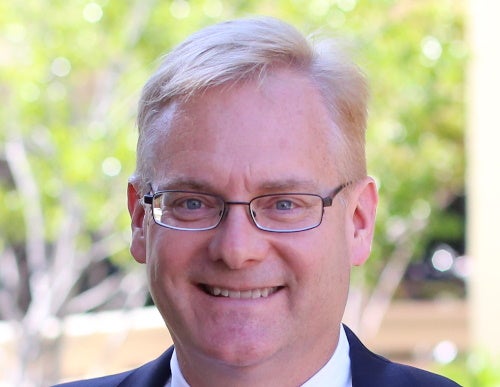
Richard W. Roberts
Professor of Chemistry, Chemical Engineering and Materials Science
Chemical Biology
Organic
Physical
Our research involves engineering new peptides and proteins for biology, diagnosis, and therapy using mRNA display.
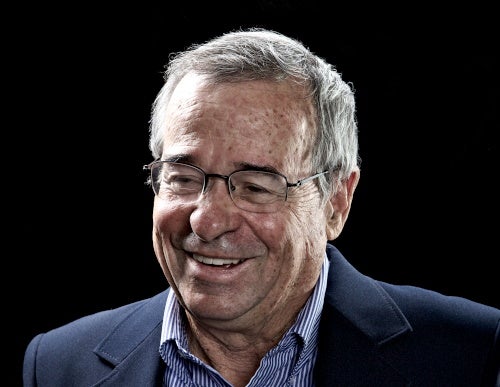
Arieh Warshel
Distinguished Professor of Chemistry – Fellow of the National Academy of Sciences – Nobel Laureate in Chemistry
Chemical Biology
Physical
Theoretical
We develop and use advance computer simulations to elucidate the functions of key biological molecules, with an overarching goal to help alleviate human suffering. Our methods help to elucidate how chemical reactions are catalyzed by enzyme and to progress in enzyme design. We also use our simulations to study the action of very large biological molecules, including molecular motors, ion channels and systems that control signal transduction in the cell. Additionally, we focus a significant effort on computer aided drug design and on fighting drug resistance.
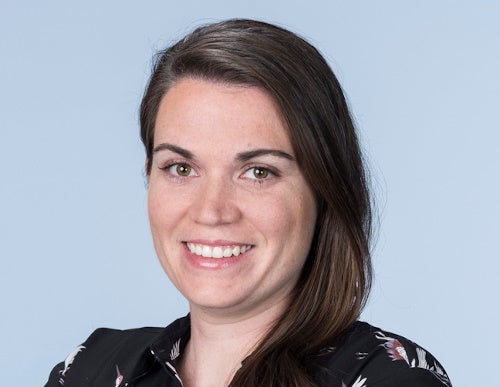
Kate L. White
Gabilan Assistant Professor of Chemistry
Chemical Biology
Our research aims to help bridge the gap between structural biology and physiology by pioneering new experimental and computational tools for multi-scale structural biology (atomic to cellular scales). A major focus is the multi-scale structure and function of pancreatic β-cells and the chemical environment of insulin vesicles. Our approach to cell mapping utilizes a combination of multi-modal imaging, biophysical approaches, and integrative modeling (metamodeling) to relate multi-scale structure to cell function.
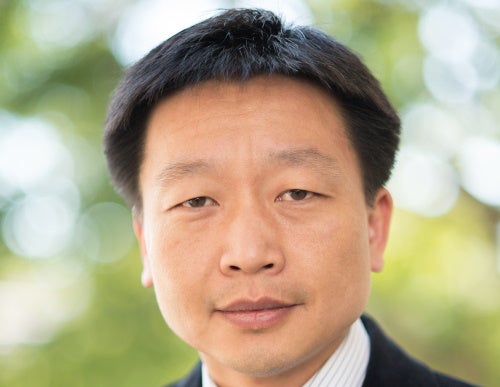
Chao Zhang
Associate Professor of Chemistry
Chemical Biology
Organic
Research in the Zhang group focuses on the discovery and mechanistic study of novel small-molecule modulators of diverse proteins using a combination of techniques including structure-based design, organic synthesis, and chemical proteomics.