Welcome to ERI
Latest publications
2024 reports
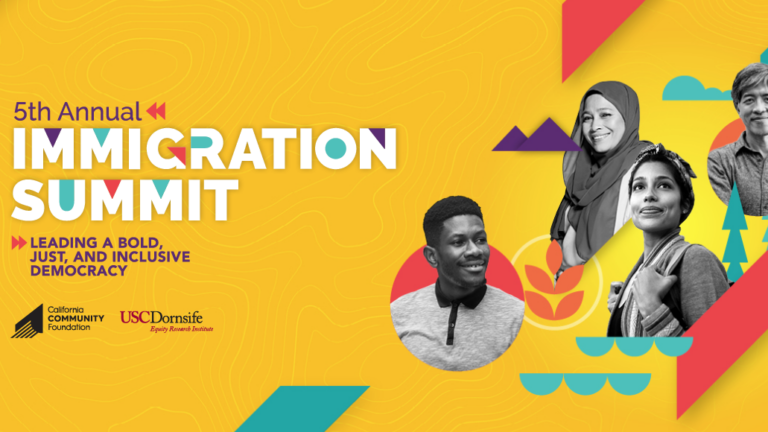
State of Immigrants in Los Angeles 2024
Release date: July 11, 2024
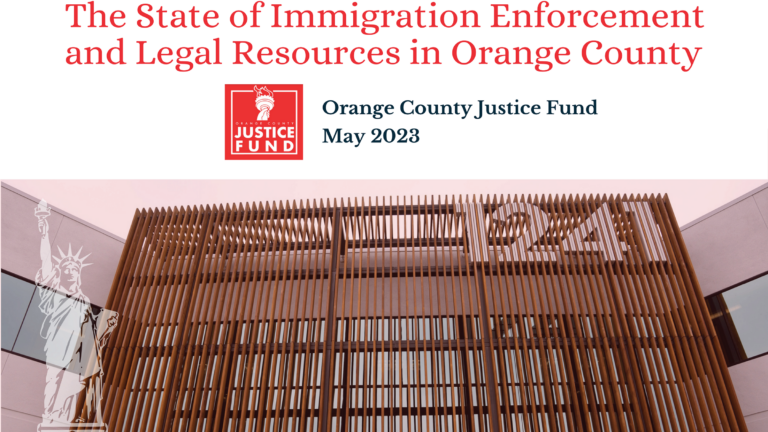
Amidst a pivotal election year, the 5th Annual State of Immigrants in Los Angeles (SOILA) County report uplifts remarkable strides made across Los Angeles County to advance immigrant inclusion by highlighting the realities that immigrants experience in our county—through rigorously produced data analysis—and by providing local leadership with enough direction to make tangible and meaningful change.
Different from previous years’ SOILA reports, through a publicly available online survey, we turned to immigrant communities themselves to share with us how they are feeling and faring in the county. We used that data to understand the perspectives of immigrants and their descendants, as well as to build our recommendations for this momentous year.
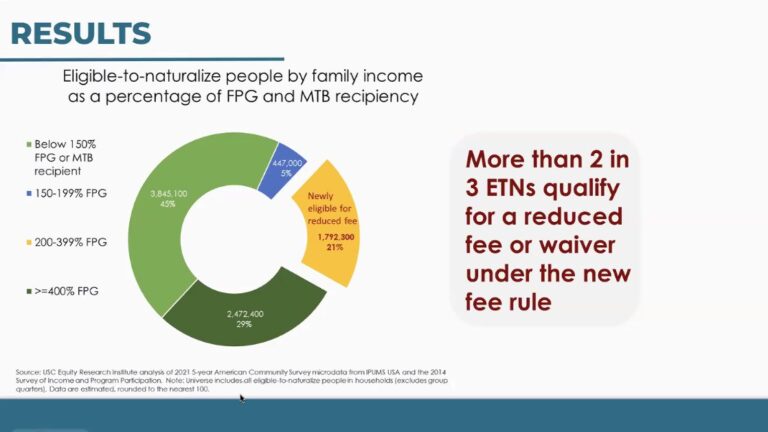
Naturalize Now: Economic Equity and the Path to Naturalization
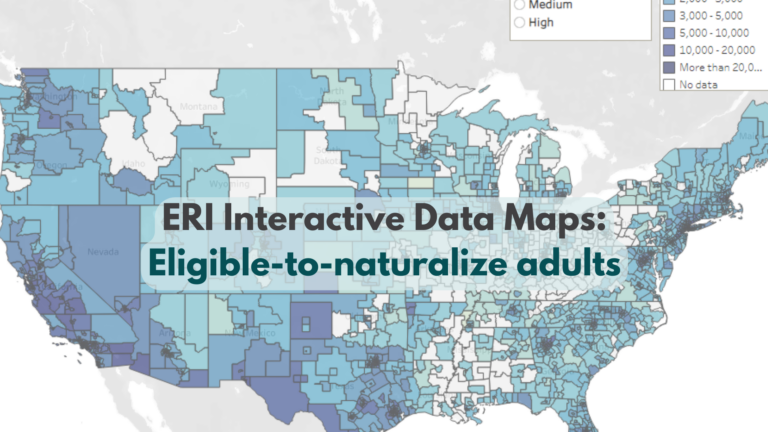
The National Partnership for New Americans (NPNA) and USC Dornsife Equity Research Institute (ERI) released a policy brief in April 2024 titled, Naturalize Now: Economic Equity and the Path to Naturalization.
The brief highlights ERI data analysis on the impact of the recently announced changes to the U.S. Citizenship and Immigration Services (USCIS) naturalization fee structure. Our findings show there are an additional 1.8 million eligible-to-naturalize people who newly qualify for the reduced N-400 naturalization fee.
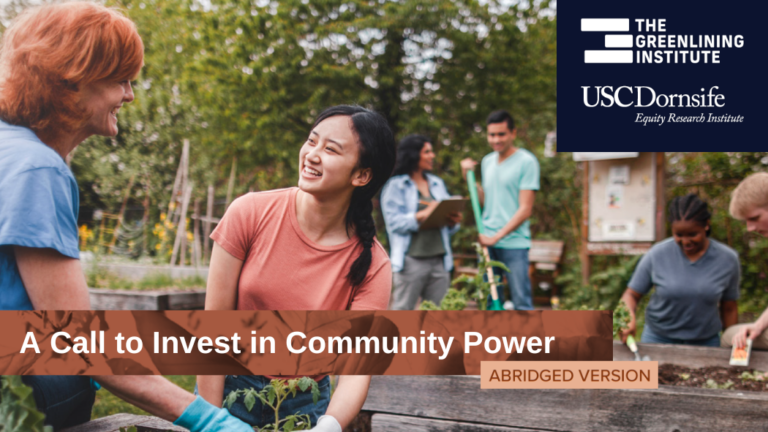
A Call to Invest in Community Power: Lessons from 10 Years of California Climate Investments for the State and the Nation
The California Climate Investments (CCI) are turning 10. After a decade of investments and nearly $10 billion implemented throughout the state, is CCI delivering on its promise? Does it drive benefits to environmental justice communities that are the most vulnerable to pollution, have the fewest resources to adapt to climate change, and the least political power to attract these dollars? Do these communities feel the impact of these dollars? In this report done in partnership with The Greenlining Institute, ERI’s research team strives to answer these questions, particularly in light of unprecedented federal funding for climate investments.
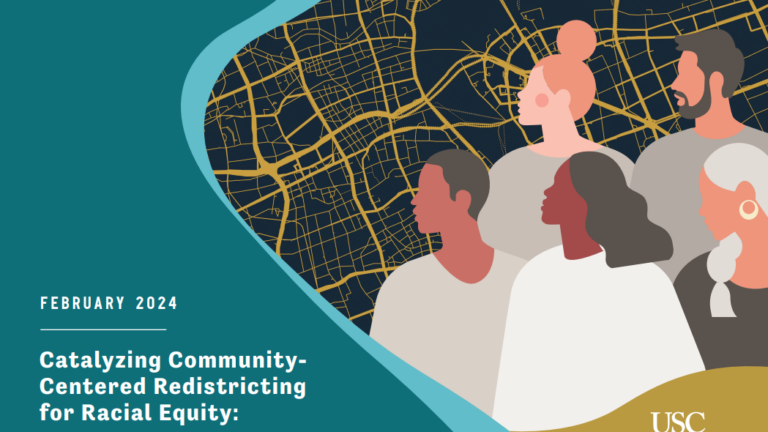
Catalyzing Community-Centered Redistricting for Racial Equity: Lessons from Fair Representation in Redistricting
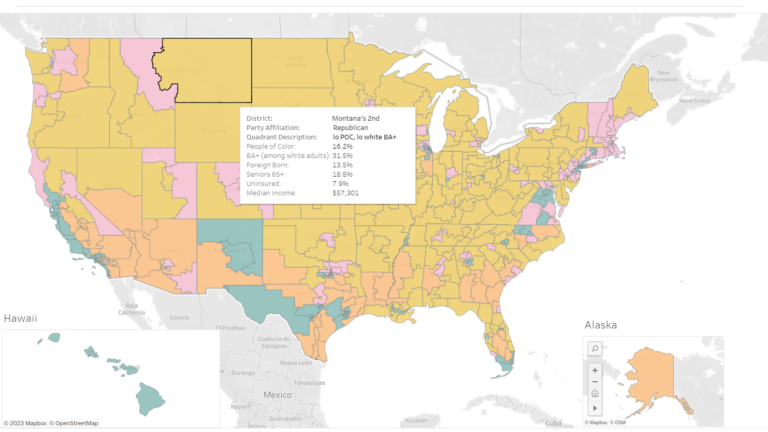
Catalyzing Community-Centered Redistricting for Racial Equity: Lessons from Fair Representation in Redistricting is an important read for those who care about the future of our democracy—and want to find ways to get involved in redistricting. For the 2021-2022 redistricting cycle, a set of philanthropic leaders formed Fair Representation in Redistricting (FRR), a strategy to support historically excluded and under-represented communities to be active and influential players in advancing fair redistricting in states across the country.
This report describes FRR strategies and core investments, highlights the successes and challenges of catalyzing a community-centered approach to redistricting, and offers recommendations. The punchline: While a strong foundation was laid in this recent cycle, much more is needed to achieve fairer processes and outcomes. We recommend that FRR become a sustained collaborative to build upon the emerging field of community-centered redistricting it has seeded and to pair its support for the one- or two-years of line drawing with ongoing efforts to bring governing power back to the people.
What’s new?
ERI news
Latest blogs


Research spotlight
Events



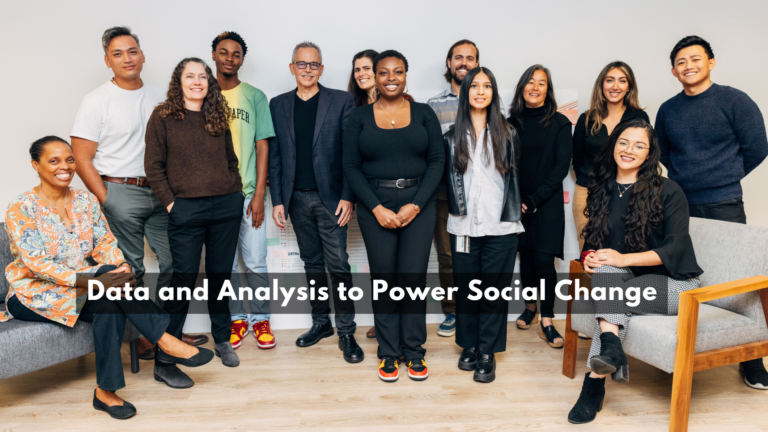
Data and Analysis to Power Social Change
At ERI, we ask the hard questions about equity and deliver accurate and credible numbers with narratives. We lead with optimism and provide data and analysis to support social, racial, economic, and environmental equity. Our work is grounded in research to create new narratives, systems change, and a more equitable approach to power and justice.
Rigorous and relevant research

#ERI15Years videos
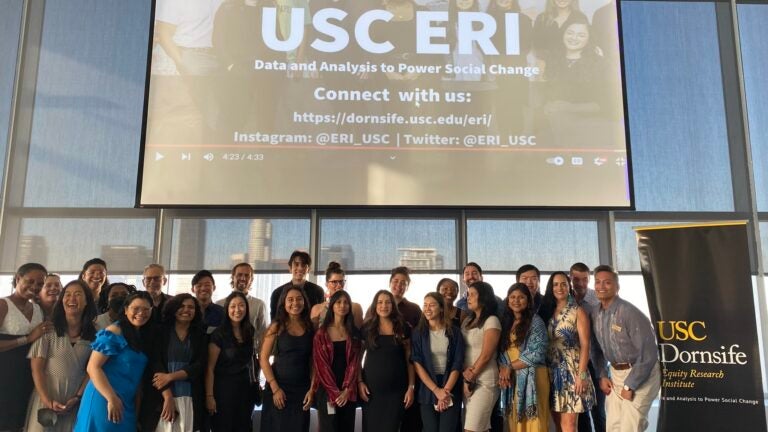
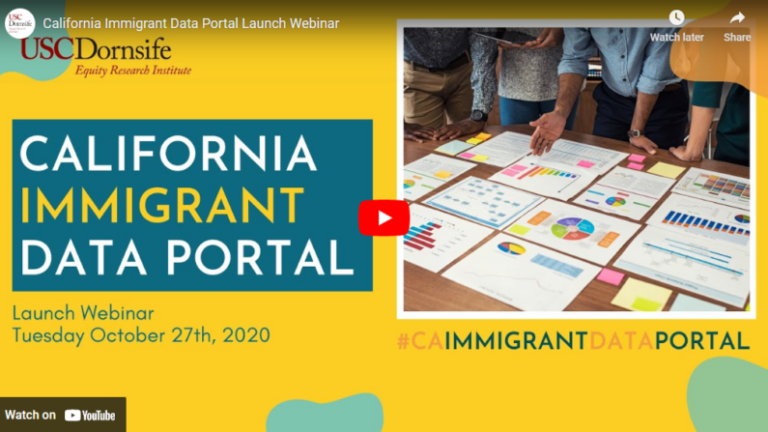
In August 2023, ERI celebrated our 15th anniversary! Our new video series highlights 15 community partners, staff, and scholars reflecting on ERI’s impact over the years, and looking ahead to the future. Check out the full YouTube playlist for all their stories!


Danielle Deane Ryan
Meet Danielle Deane Ryan, Climate and Energy Justice Fellow at The New School and a climate equity, clean energy, and philanthropy leader. She emphasizes the vital role of ERI’s mentorship in empowering individuals and partners in fostering strong collaborators to build power and drive change: “Prof. Pastor and his team have generously mentored so many people, including me, that are working to be better allies in the fight towards environmental and economic justice.”
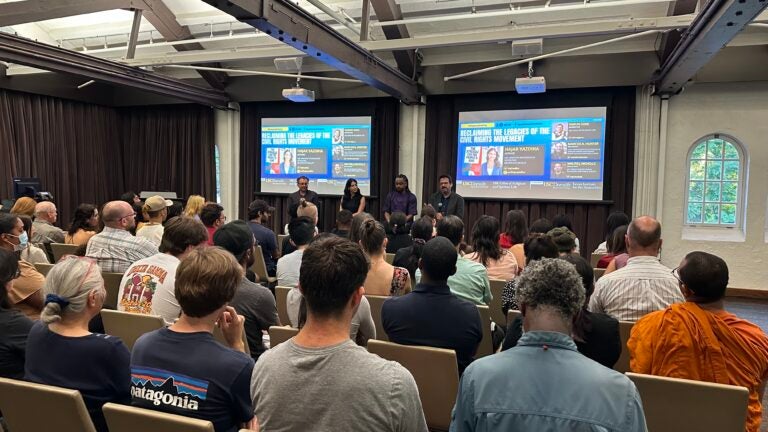
Dr. Hajar Yazdiha
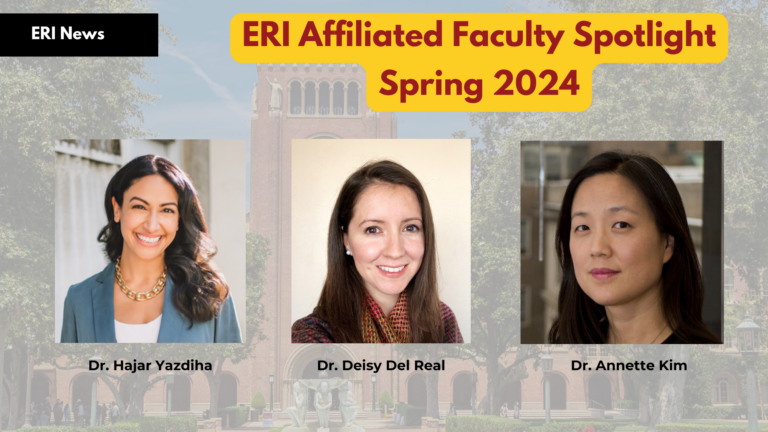
Meet Dr. Hajar Yazdiha, Assistant Professor of Sociology and affiliate faculty at USC ERI. Dr. Yazdiha sheds light on how ERI has been a leader in community-engaged research. This model has in Dr. Yazdiha’s words,“… help[ed] us rethink what it means to be scholars who are public-facing and who are scholar activists.”
Victor Narro
Meet Victor Narro, Project Director and Professor of Labor Studies at the UCLA Labor Center. As an ERI Advisory Committee member, renowned activist & educator, Victor shares his first hand experience of how ERI’s data has been an indispensable tool, empowering his daily policy work and fostering collaborations with passionate organizers.


Stay updated!
Get monthly updates on ERI news, research, and events in your inbox.
Quick links
Site Navigation
USC Equity Research Institute (ERI)
Data and Analysis to Power Social Change
Stay Updated!
Sign up for monthly updates on ERI news, research, and events in your inbox.