Audiology

The aim of this study was to examine whether a Joint-Otoacoustic Emission (OAE) Profile, a combined analysis of both distortion- and reflection-type OAEs in the same ear, can distinguish between hearing loss due to noise exposure versus presbycusis. Reflection- and distortion-type emissions arise via distinct cochlear generation mechanisms and have shown different sensitivity to hearing loss. By measuring both OAEs together in each ear, we hope to access and exploit two distinct intracochlear generation processes to improve the differential diagnosis of hearing loss.


Music

Detailed intervention reporting is essential to interpretation, replication, and translation of music-based interventions (MBIs). The 2011 Reporting Guidelines for Music-Based Interventions were developed to improve transparency and reporting quality of published research; however, problems with reporting quality persist. This represents a significant barrier to advances in MBI scientific research and translation of findings to practice. The purpose of this study was to update and validate the 2011 reporting guidelines using rigorous Delphi approach that involved an interdisciplinary group of MBI researchers; and to develop an explanation and elaboration guidance statement to support dissemination and usage.

Child Development

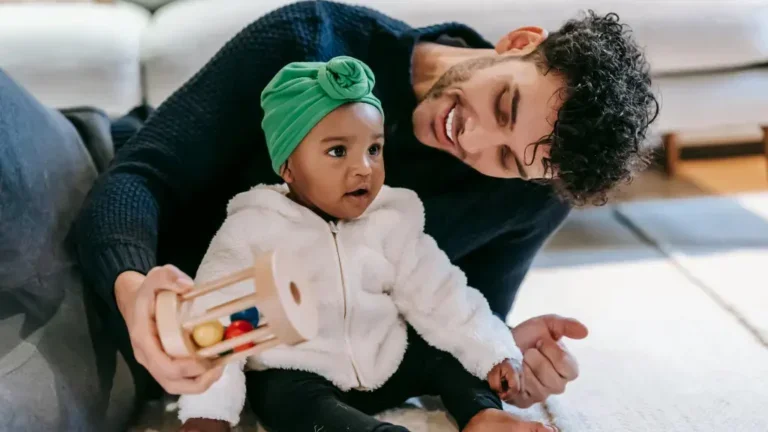
Infant–parent coordination during play is an important facilitator of the development of language, attention, and social cognition. Although the dynamics of triadic interaction in the second year of life are well documented, less is known about how infants and parents coordinate attention earlier in development. Prior work has shown that pre-sitting infants often play facing away from their parents, making visual access to faces difficult. However, it is not yet known whether and how this might affect their ability to coordinate attention to objects. Twenty 5- to 7-month-old infants (10 sitters, 10 nonsitters; 11 girls; nine Hispanic/Latino) were observed while they played with a parent in two conditions: sitting on the floor and sitting in a supportive infant seat.

Music

Music training has been associated with the development of cognitive and language skills, yet large-scale longitudinal studies exploring these relationships are still limited. Drawing on data from the Adolescent Brain Cognitive Development (ABCD) Study, we examined the long-term associations between continuous music engagement and cognitive abilities, including the moderating role of neighborhood socioeconomic deprivation. We also applied classification models to distinguish musicians from non-musicians on the basis of their performance on cognitive tasks.