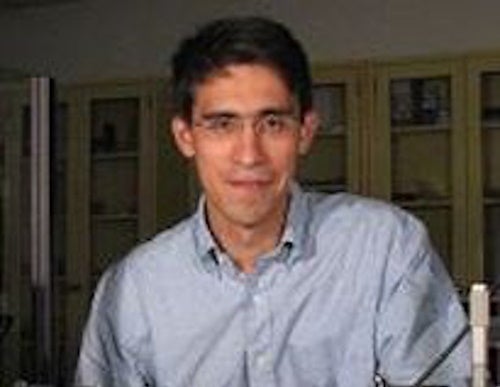
Alexander V. Benderskii
Associate Professor of Chemistry
Physical
Our group’s research focuses on the molecular structure and dynamics of surfaces and condensed phase interfaces.

Stephen E. Bradforth
Professor of Chemistry
Physical
Our group designs laser-based experiments to gain a deeper understanding of how the inter-connected motions of molecules impact chemical reactions in complex environments such as the aqueous milieu of cells, molecular liquids, or in functional molecular materials.
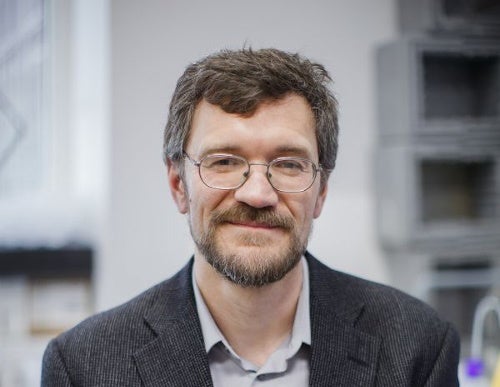
Vadim Cherezov
Professor of Chemistry
Chemical Biology
Physical
Our group is focused on deciphering functional mechanisms of membrane proteins in health and disease, using cutting edge structural, biophysical and biochemical approaches.
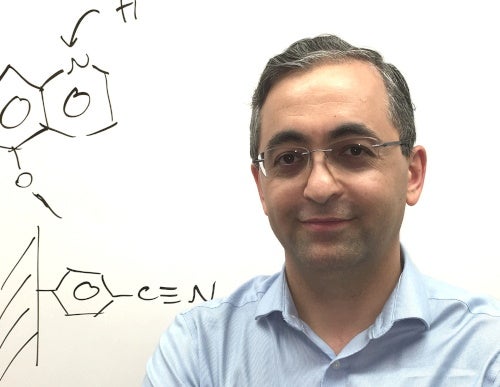
Jahan M. Dawlaty
Professor of Chemistry
Physical
We use spectroscopic tools to answer fundamental questions at the intersection of catalysis, electrochemistry, and materials sciences, with special focus on challenges in energy conversion and storage.
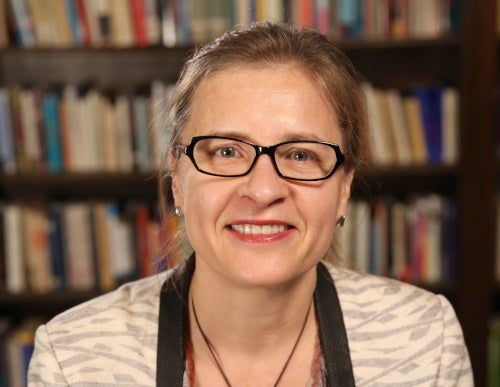
Anna Krylov
Professor of Chemistry
Chemical Biology
Physical
Theoretical
The Krylov group develops theoretical methods and state-of-the-art computer codes for treating electronically excited and open-shell species. We apply these tools to study bioimaging, plasma, solar energy, quantum information science, and spectroscopy modeling, often in collaboration with experimentalists.
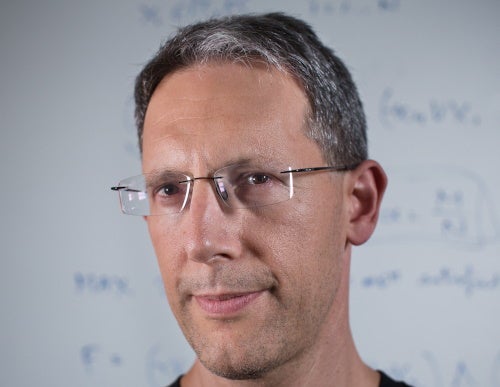
Daniel A. Lidar
Viterbi Professorship in Engineering and Professor of Electrical and Computer Engineering, Chemistry, and Physics and Astronomy
Physical
Theoretical
We are interested in fundamental and applied questions in quantum information science. Our group explores topics including adiabatic quantum computation and quantum annealing, theory and control of open quantum systems, quantum error correction, quantum algorithms, and physical implementations of quantum computers.
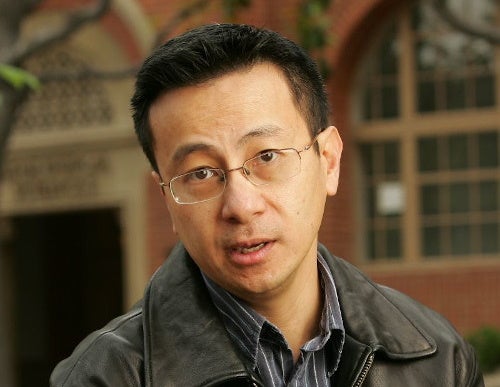
Chi H. Mak
Professor of Chemistry
Chemical Biology
Physical
Theoretical
Our group is focused on formulating rigorous theories and efficient computational strategies to understand the fundamental driving forces that dictate how nucleic acids fold and unfold, and the aberrant functions that result when they misfold.
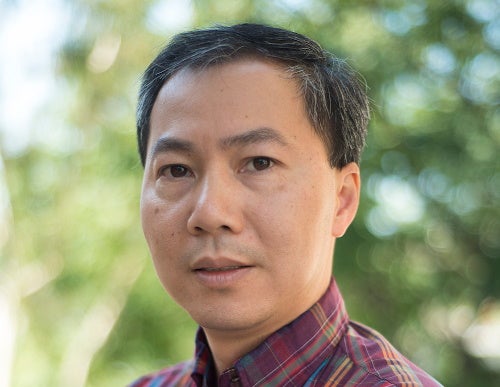
Peter Z. Qin
Professor of Chemistry
Physical
Chemical Biology
We are interested in understanding the mechanisms of specific recognition of nucleic acids that inform genome engineering as well as developments in diagnostics and therapeutics. We use Site-Directed Spin Labeling (SDSL) and other tools to study the relationship between structure, dynamics, and function in nucleic acids and protein-nucleic acid complexes.
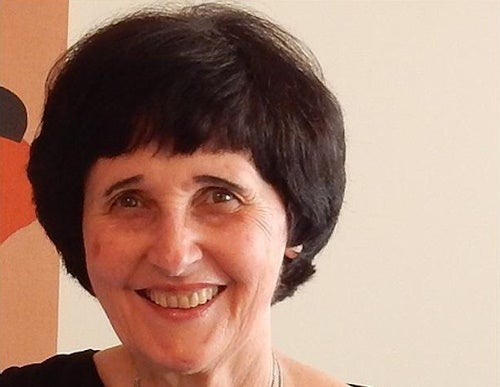
Hanna Reisler
University Professor, Lloyd Armstrong, Jr. Chair for Science and Engineering and Professor of Chemistry
Physical
We study detailed mechanisms of photoinitiated chemical reactions in gas and condensed phases. Our goal is to understand reactive processes at a fundamental level, in particular those important in the atmosphere.

Richard W. Roberts
Professor of Chemistry, Chemical Engineering and Materials Science
Chemical Biology
Organic
Physical
Our research involves engineering new peptides and proteins for biology, diagnosis, and therapy using mRNA display.
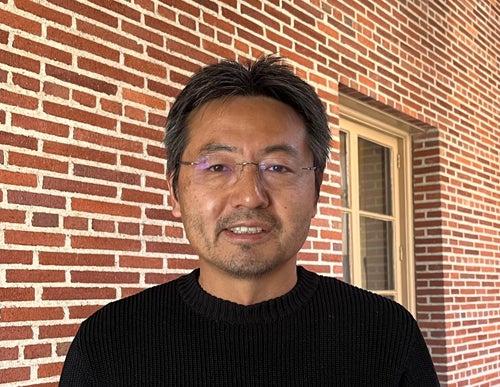
Susumu Takahashi
Professor of Chemistry
Physical
We are interested in developing novel magnetic resonance techniques for tests of fundamental science in quantum physics, investigations of nanoscale magnetism/spin dynamics, and applications to biological imaging and sensing.
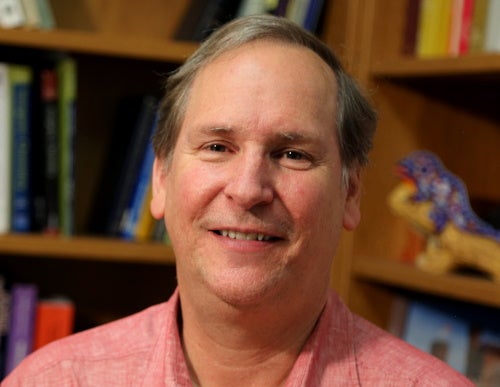
Mark E. Thompson
University Professor, Ray R. Irani Chairman of Occidental Petroleum Corporation Chair in Chemistry and Professor of Chemistry – Fellow of the National Academy of Engineering
Inorganic
Physical
We are interested in the optical and electronic properties of molecular materials, with an eye toward materials used to create organic LEDs, solar cells, and catalysts for solar fuels.
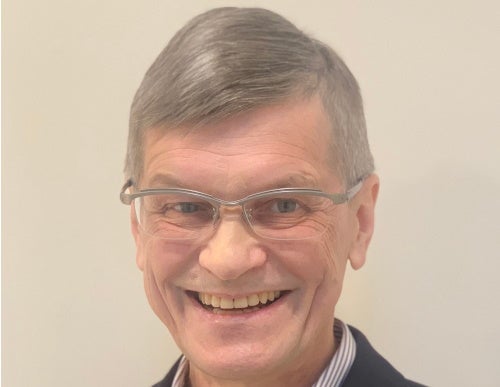
Andrey Vilesov
Professor of Chemistry
Physical
We specialize in the spectroscopy of molecules and molecular ions isolated in superfluid helium droplets and the study of quantum fluids on an atomic scale.
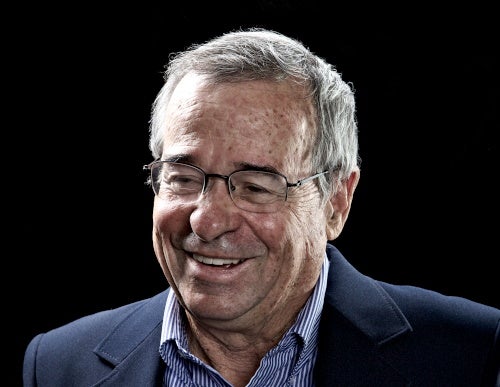
Arieh Warshel
Distinguished Professor of Chemistry – Fellow of the National Academy of Sciences – Nobel Laureate in Chemistry
Chemical Biology
Physical
Theoretical
We develop and use advance computer simulations to elucidate the functions of key biological molecules, with an overarching goal to help alleviate human suffering. Our methods help to elucidate how chemical reactions are catalyzed by enzyme and to progress in enzyme design. We also use our simulations to study the action of very large biological molecules, including molecular motors, ion channels and systems that control signal transduction in the cell. Additionally, we focus a significant effort on computer aided drug design and on fighting drug resistance.
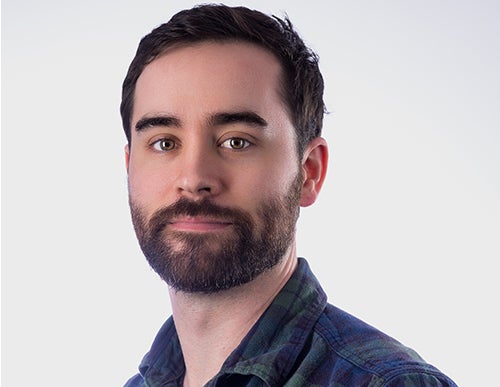
Blake Wilson
Assistant Professor of Chemistry
Physical
The Wilson group develops solid-state magnetic resonance tools to study biomolecular structures and processes important for human health. We use time-resolved magnetic resonance spectroscopy techniques to study out-of-equilibrium systems, with applications to neurodegenerative diseases and protein-nucleic acid complexes.
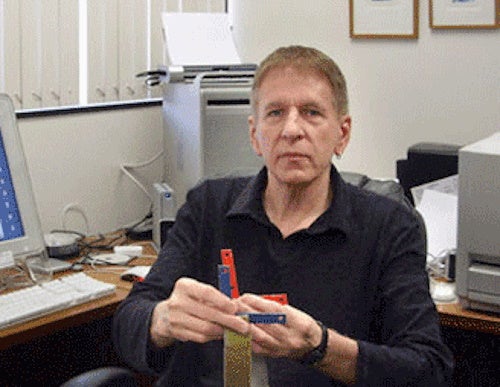
Curt Wittig
Paul A. Miller Professor of Letters, Arts and Sciences
Physical
Our group’s research addresses fundamental issues germane to a number of interesting and relevant gaseous and condensed phase (liquid and solid) environments.