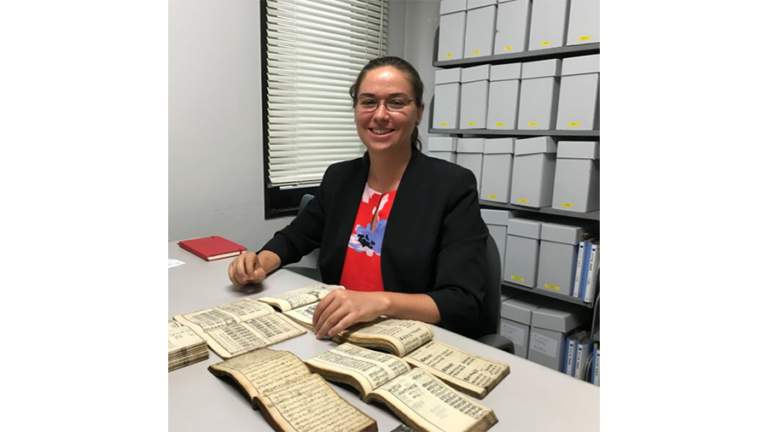
Postdoctoral Fellows, 2011-12
|
|
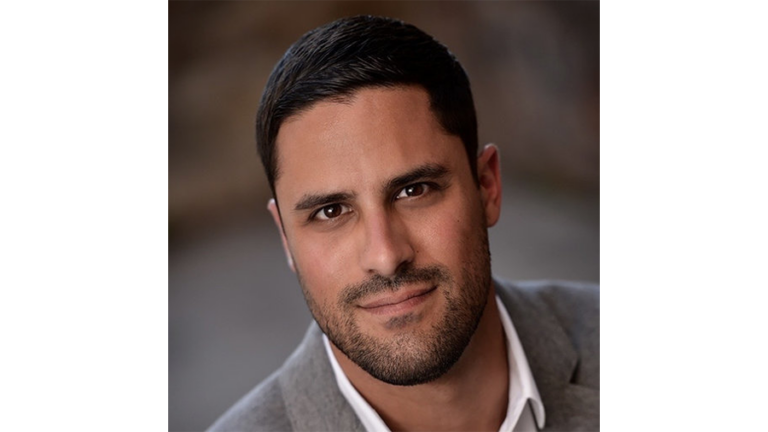
Michael D. Block |
|
Office: SOS 165 Ph.D. History, USC (2011) Dissertation: “New England Merchants, the China Trade, and the Origins of California” (Advisors: William F. Deverell and Peter C. Mancall)
Michael is a historian of Early America, the Early American Republic, and the Antebellum United States, focusing on American trade with China and on how the pursuit of that trade drew Americans into the Pacific Basin and specifically to California. His courses at USC include HIST 300 (Approaches to History), HIST 348 (The Dynamics of American Capitalism), and HIST 349 (Colonial North America).
Michael is currently working on revising his dissertation into a book manuscript. |
|
|
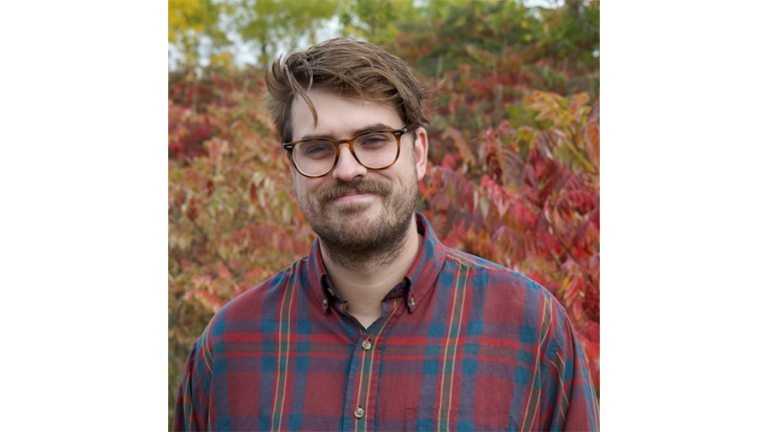
Adrian Finucane |
|
Office: SOS 153 Ph.D. History, Harvard University (2011) Dissertation: ““The South Sea Company and Anglo-Spanish Connections, 1713-1739” (Advisor: Joyce Chaplin) Adrian is a historian of the British and Spanish empires, focusing on the social and cultural histories of the diverse peoples that interacted within the eighteenth-century Americas. More broadly, her teaching interests include contact and colonization, race and gender in early European colonies, maritime communities, and beliefs about witchcraft in early America. Her courses at USC include HIST 300 (Approaches to History) and HIST 440 (The Early Modern World). |
|
|
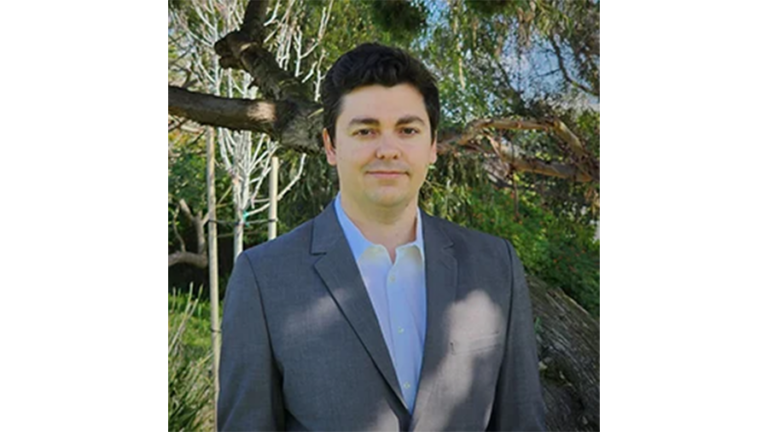
Emily Hobson |
|
Affiliated with: Department of American Studies & Ethnicity, Department of History, and Institute on California and the West |
|
|
Email: hobson@usc.edu |
|
|
Ph.D. American Studies & Ethnicity, USC (2009) |
|
|
Emily Hobson teaches in the departments of American Studies & Ethnicity and History and holds a research afilliation with the Huntington-USC Institute on California and the West. Emily is a historian of race, gender, and sexuality in the radical movements of the postwar U.S. and teaches in the fields of transnational American Studies, comparative ethnic studies, gender and queer studies, LGBT history, and U.S. history (1865-present). Her courses at USC include AMST 200 (Introduction to American Studies & Ethnicity), AMST 206 (Politics and Culture of the 1960s), AMST 452 (Race, Gender, and Sexuality), HIST 345 (Men and Women in the U.S. since 1920), and HIST 465 (America in the Cold War World). |
|
|
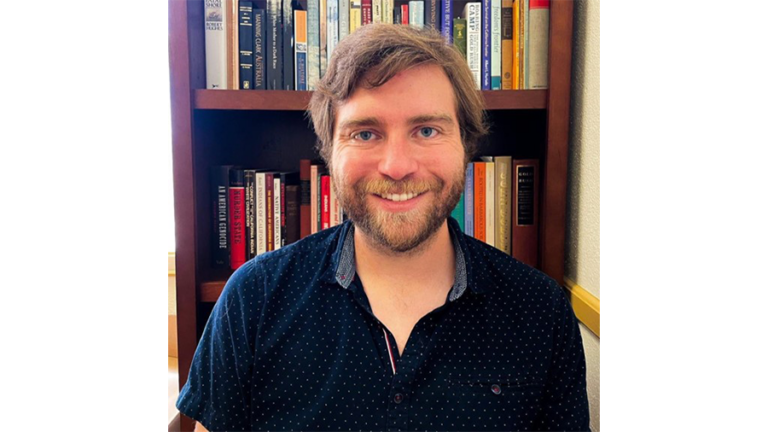
Jason LaBau, Postdoctoral Research Associate |
|
Email: jlabau@usc.edu |
|
|
Ph.D. History, USC (2010) |
|
|
As a Postdoctoral Research Fellow at the ICW, Jason works with William Deverell on various research projects related to California history. He also lectures on California Cultures (AMST 395) in the Department of American Studies at Cal State Fullerton.
Jason is a scholar of modern American politics, focusing on conservatism, the Republican Party, and the U.S. West. His dissertation examined the rise of the Republican Party in Arizona from the 1940s through the late 1980s, with particular attention to the ideological factions within the developing state Republican Party and the role of religion in political ideology.
Jason is currently working on a book manuscript that will expand upon his dissertation, drawing upon previously inaccessible private collections and taking the historical project up to 2010. He is revising an article on religion and civil rights in Barry Goldwater’s political ideology for publication in a peer-reviewed journal. He is also working on an article about Republican decision-making in the choice of a new vice president after President Nixon’s resignation. Zócalo Public Square has published several of his articles on contemporary conservatism, Arizona, and Mormonism.
For more on Jason’s publications, research interests, and teaching, visit http://jasonlabau.com |
|
|
Lindsay O'Neill, Andrew W. Mellon Postdoctoral Teaching Fellow and Lecturer |
|
Office: SOS 153 |
|
|
Ph.D. History, Yale University (2008) |
|
|
My work centers upon the way that networks formed through letter writing helped bind together an increasing vast British world during the late seventeenth and early eighteenth centuries. During this period it became both easier to send a letter, as the postal system expanded, and more necessary, as the British settled across the globe. Understanding how the British used their letters illuminates how they thought about their society and how they navigated their changing geographic and communicative worlds. Beyond letters, I am also interested in how news flowed and how the British thought about and used the information that surround them. My second project seeks to understand how the British navigated this new world of news. |
|
|
Nathan Perl-Rosenthal |
|
Email: perlrose@usc.edu |
|
|
Office: SOS 267 |
|
|
Nathan Perl-Rosenthal works on the political and cultural history of the eighteenth century North Atlantic, with a particular focus on the first age of revolutions, ca. 1760-1815. He is particularly interested in the relationships among the revolutions in North America, Europe and the Caribbean in this period. His dissertation, "Corresponding Republics," was a comparative study of the influence of old regime letter writing practice on elite political organizing in the American, Dutch and French Revolutions. This project argued that distinct epistolary practices helped give shape to particular kinds of patriot networks in each revolutionary movement, thus revealing both underlying commonalities among them and explaining some of their significant divergences from one another. He is currently working on a book about cosmopolitan sailors in the age of revolutions, provisionally entitled Worldly Americans, which is under contract with Harvard University Press. Worldly Americans, the first trans-national history of American seamen in the revolutionary era, examines how the maritime world connected political movements around the Atlantic while also serving as a zone in which working people (sailors and other members of the maritime community) influenced policy and law across national lines. He has published in the William and Mary Quarterly, the Journal of the Early Republic, Research in Maritime History and other publications.
He was educated at Harvard, the Sorbonne, and Columbia University. When he's not thinking about the eighteenth century, he is probably learning to make bread or trying again to organize his books.
|
|
|
Keith Woodhouse |
|
Office: SOS 165 |
|
|
Keith Woodhouse studies American environmental history, focusing on the ideas and politics of environmentalism in the twentieth-century United States. He received his Ph.D. from the University of Wisconsin-Madison.
Keith's book project, A Subversive Nature: Radical Environmentalism in the Late-Twentieth-Century United States, examines the basic ethical commitments of the radical environmental movement from the 1970s to the 1990s, and where those commitments accorded with or departed from mainstream American liberal democratic ideas.
|