
Watersheds West
The infrastructure of water control looms large across the history of the American West. Western rivers and watersheds have long been and remain fundamental sites of contest and power, hope and disappointment. Launching in January 2026, the fifth season of Western Edition — the podcast from the Huntington-USC Institute on California and the West (ICW) — digs into the complex history of how humans dammed, diverted, and exploited water resources in the region across several hundred years.
While control over water has gone hand in hand with European and American colonization, Western Edition: Watersheds West takes care to engage with Indigenous scholars about Native views of and relationships to western water. The series returns to the critical question: What does the future look like in an era of climate catastrophe? Across its six episodes, the new season invites us all to consider if we are due for a paradigm shift in how we think about our most precious resource.
Season 5 of Western Edition is produced by Avishay Artsy, Katie Dunham, Eryn Hoffman, Jessica Kim, and Elizabeth Logan.
Prologue
This Prologue introduces the core themes of Western Edition Season 5: Watersheds West. Over six episodes, we will engage with central themes of control over water, European and American colonization and impact on watersheds, and Native views of and relationships to western water. The series considers the critical question: What does the future look like in an era of climate catastrophe? The season invites us all to consider if we are due for a paradigm shift in how we think about our most precious resource.
Long-ago moments when western rivers flowed alongside visions of American empire have not gone away. The circumstances have changed, more than two hundred years have passed. But western rivers and watersheds remain fundamental sites of contest and power, hope and disappointment.

Episode 1: Gather at the River
In this episode we take a long view of water in the West, a region defined by its aridity, and consider how humans have interacted with water over the past two centuries, from Indigenous cosmologies to American conquest and the aggressive commodification of water.
Without dams, the underlying challenges of water scarcity and water management would have made life in mega cities like Phoenix and Las Vegas and even Los Angeles…essentially impossible.

Selected images to accompany this episode:
Episode 2: Adaptation and Repair
The relationship between watersheds in the American West and the people who live alongside them is complex. When the stories turn to Indigenous westerners, too often the focus is on pre-colonial times or a rushed fast-forward to present day activism. This episode centers around a conversation with Dr. Karletta Chief, a professor in Environmental Science at the University of Arizona. Known for her work addressing environmental pollution on the Navajo Nation, she shares what it means to engage with Indigenous communities when addressing man-made environmental disasters and why this work is critically important in a future shaped by climate change.
In order to reach sustainable environmental solutions, we need to understand the communities in which we work.

Selected images to accompany this episode:
Episode 3: Freeing the Klamath
The history of a dammed Klamath River is part of the broader history of settler colonialism, resource extraction, and the control of water in the American West. This episode shares histories of Native resistance and refusal as well as the history of the movement, both Native and non-native, to bring a century-old system of four hydroelectric dams down, free the Klamath, and feed its systems of lakes and wetlands.
We have a legacy in this country of building dams. It’s something like a dam has been built every single day since the signing of the Declaration of Independence.

Selected images to accompany this episode:
Episode 4: Trouble at Glen Canyon
The history of Glen Canyon Dam on the Colorado River is one of Navajo connections to the river and canyon, colonial aspirations of a Civil War veteran and a Latter-Day Saints community, as well as the concerns of radical environmentalists in the 20th century. This episode explores how this watershed is tied to layers of history and stories about the role of water in western settlement. It also offers dire warning about the future of water across the American Southwest.
Glen Canyon Dam is the linchpin for the water supply of something like 40 million people. 1 in 8 Americans lives in this watershed of this river.

Selected images to accompany this episode:
Episode 5: The Mighty Snake
The Snake, a one-thousand mile long river and watershed of great beauty, captured the heart of host William Deverell decades ago. The complexity of this watershed is at once historical and contemporary, and the Snake flows into an uncertain future at every point along its long journey.
The hydro narratives and the hydro politics around the Snake River have changed dramatically over the past 30 years and are only accelerating as we move along.
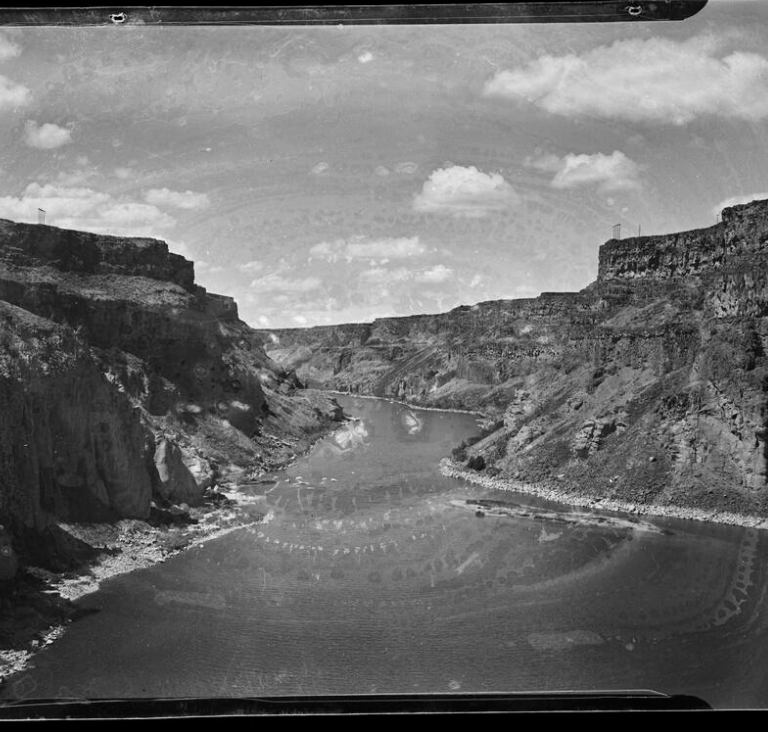
Selected images to accompany this episode:
Episode 6: Running Dry
This final episode of the season considers the future of the Colorado River and how our predictions and priorities for water management, specifically in Southern California, have shifted and must continue to shift in an era of climate change.
We have a changing world and a changing environment, and our infrastructure needs to change with it.

Selected images to accompany this episode:
Learn More
ICW asked leading experts what’s on their minds and what they see as the most urgent issues facing Western watersheds. Here’s what they shared.
Water and Southern California: Past, Present, and Future
Jeffrey Kightlinger


Thinking Like a Watershed
Jennifer Sahn


