Advancing Workforce Equity report cover featuring young Black professional smiling brightly.
Economic Inclusion and Climate Equity

By Abbie Langston, Matthew Walsh, Justin Scoggins

This report is one of nine regional analyses in the Advancing Workforce Equity project, building on the insights of our previous research to inform a tailored, ground-level blueprint for advancing workforce equity. It provides a data-driven evaluation of racial inequities in workforce outcomes in the Detroit region, examining how systemic racism manifests in the labor market, the impacts of the Covid-19 pandemic, and how automation may affect industries and workers in the area. (Unless otherwise noted, “Detroit,” “Metro Detroit,” “Detroit metro,” and “Detroit region” are used throughout this report to refer to the Detroit-Warren-Livonia, Michigan, metropolitan statistical area as defined by the US Office of Management and Budget’s December 2003 Core Based Statistical Area (CBSA) definitions. This region includes Wayne, Lapeer, Livingston, Macomb, Oakland, and St. Clair counties.) Our findings are based on analysis of labor force data from the Bureau of Labor Statistics, disaggregated data on wages and employment from the 2018 and 2019 five-year American Community Survey microdata from IPUMS USA, data on current and historical job demand and automation risk from Lightcast, and other sources of local data, as well as interviews with local stakeholders and the insights of the regional advisory group.

Read our other publications by research area
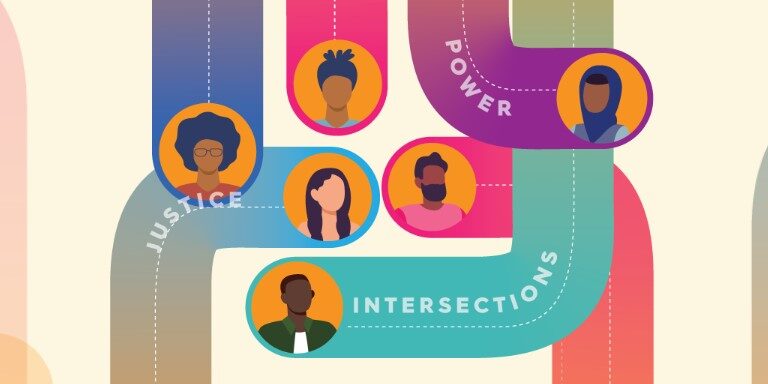
    Immigrant Integration & Racial Justice

    Our work on immigrant integration and racial justice brings together three emphases: scholarship that draws on academic theory and rigorous research, data that provides information structured to highlight the process of immigrant integration over time, and engagement that seeks to create new dialogues with government, community organizers, business and civic leaders, immigrants and the voting public to advance immigrant integration and racial equity.

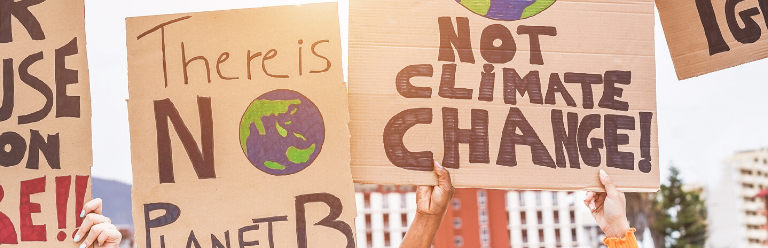
    Economic Inclusion & Climate Equity

    In the area of economic inclusion, we at ERI advance academic theory and practical applications linking economic growth, environmental quality, and civic health with bridging of racial and other gaps; produce accessible and actionable data and analysis through the data tools; and establish research partnerships to deepen and advance the dialogue, planning, and actions around racial equity, environmental justice, and the built environment.

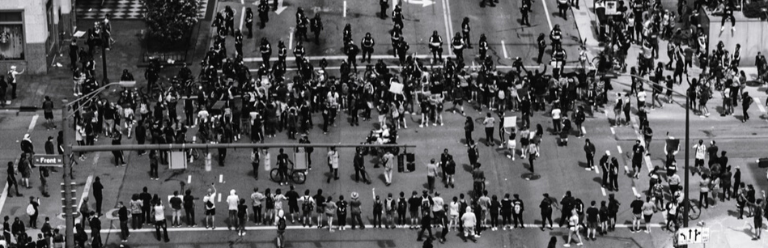
    Social Movements & Governing Power

    ERI’s work in the area of governing power includes: conducting cross-disciplinary studies of today’s social movements, supporting learning and strategizing efforts to advance dialogues among organizers, funders, intermediaries, evaluators, and academics, and developing research-based social change frameworks and tools to inform—and be informed by—real-world, real-time efforts towards a vision of deep change.

    Publications Directory

    In 2020, the USC Program for Environmental and Regional Equity (PERE) and the USC Center for the Study of Immigrant Integration (CSII) merged to form the USC Equity Research Institute (ERI).

    The full list of publications published under our previous and current names can be found in our publications directory.

    a view of the Los Angeles skyline