
Recent Headlines
Check out some our members that have made headlines!
As part of Los Angeles County Arts and Health Week, the Center for Music, Brain and Society hosted the Art Education, Research, and Policy Symposium to explore the future of arts education. The event brought together researchers, educators, and policymakers to discuss how evidence-based arts education can support student well-being and shape national policy.

Members in the News – 2025
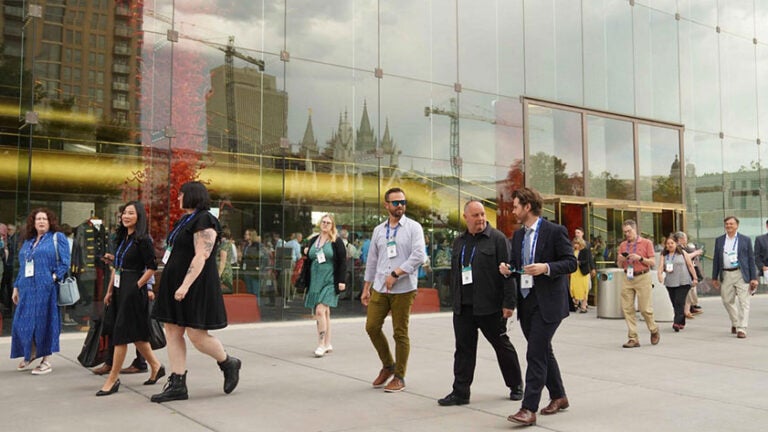
At the League’s National Conference: Music and Wellness, Innovation, Community Connections, Sustainability, and More
At the League of American Orchestras’ 80th National Conference, Marin Alsop received the Gold Baton Award, and USC professor Assal Habibi spoke on a panel led by Renée Fleming, highlighting how music activates the brain and fosters social bonding. The conference also showcased major successes in fundraising and community engagement from orchestras across the U.S., while reaffirming a commitment to diversity, equity, and inclusion.
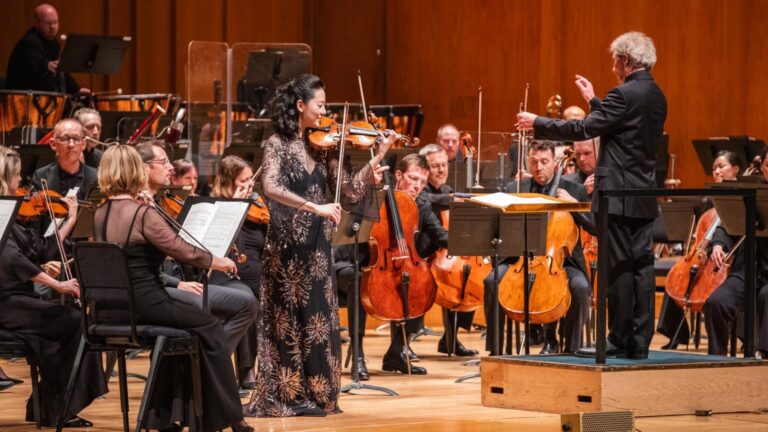
As Orchestra, Um, Brass Gathers, Golden Tribute Is Paid To Marin Alsop
At the League of American Orchestras’ 80th National Conference, Marin Alsop received the prestigious Gold Baton Award, while a panel led by soprano Renée Fleming featured USC professor Assal Habibi, who shared insights on how music stimulates the brain and fosters social connection. Habibi also contributed to Music and Mind, a new book exploring the health and cognitive benefits of music across all ages.
Experts examine future of art education, research and policy at USC symposium
As part of Los Angeles County Arts and Health Week, the Center for Music, Brain and Society hosted the Art Education, Research, and Policy Symposium to explore the future of arts education. The event brought together researchers, educators, and policymakers to discuss how evidence-based arts education can support student well-being and shape national policy.

In Volatile Times, Stick with the Process!
In response to recent market volatility, the investment team employed portfolio exercises to counter emotional biases like loss aversion, reinforcing long-term, strategy-driven decision-making. Their approach draws on research by neuroscientist Hanna Damasio, whose study showed that people with impaired emotional processing made better investment decisions, highlighting how emotion can undermine financial judgment.
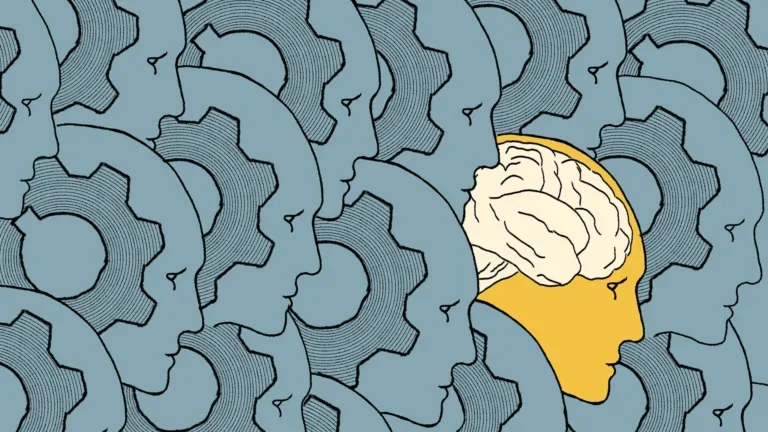
USC launches $12 million Institute on Ethics & Trust in Computing
USC has launched the $12 million Institute on Ethics & Trust in Computing to guide ethical research and education in AI and emerging technologies as part of its Frontiers of Computing initiative. Overseen by Shrikanth “Shri” Narayanan, USC’s vice president for presidential initiatives, the institute aims to embed ethics and trust across computing disciplines and foster collaboration between technology and the humanities.

Los Angeles Says ‘Gracias’ to Gustavo Dudamel with Emotional Farewell Campaign
As Gustavo Dudamel prepares to conclude his transformative 17-year tenure with the Los Angeles Philharmonic, the city has launched a celebratory “Gracias Gustavo” campaign honoring his artistic and social impact. Angelica Cortez, executive director of YOLA, emphasized Dudamel’s legacy of music as a force for social transformation, particularly through expanding access and community through youth music education.
Music and the Brain
We’re exploring the intersection of music and neuroscience with young musicians who are gifted in both fields! We’ll speak with musician-scientists like Zoie, a 15-year-old euphonium player who is researching how music can reduce stress and Jascha, a 17-year-old pianist who says he’d love to peek inside Bach’s brain. And of course, we’ll hear some thought-provoking and awe-inspiring performances along the way. This podcast was recorded at the Brain and Creativity Institute at the University of Southern California.

The alchemy of emotions in travel
Modern travel marketing is shifting from promoting features to evoking emotions, recognizing that travelers are driven more by how experiences make them feel than by amenities or itineraries. As neuroscientist Antonio Damasio has shown, decisions are rooted in emotion, and brands that tap into travelers’ deeper, often unspoken emotional needs—like connection, discovery, or joy—will create more lasting and meaningful customer relationships.
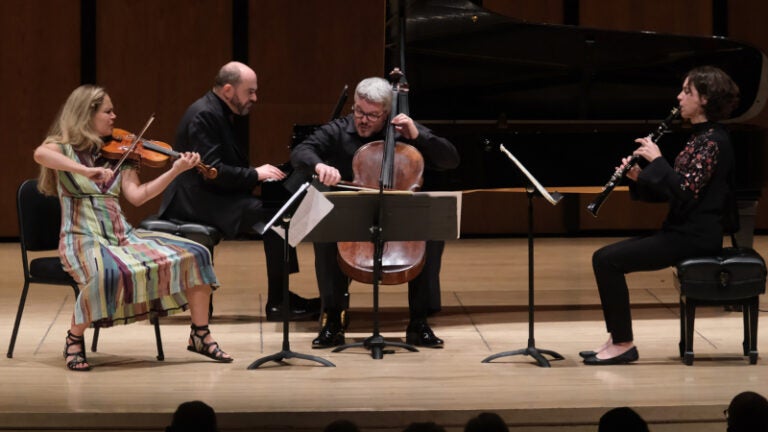
Santa Fe Chamber Music Festival unveils expansive 2025 summer season
The Santa Fe Chamber Music Festival’s 2025 season will feature over 40 concerts and six premieres, alongside a new initiative exploring the relationship between music and the brain. As part of the BAM!! (Brain and Music) lecture series, USC psychology professor Assal Habibi will present research on how music shapes brain development in children.
Why Nostalgic Songs Spark the Brain’s Memory and Reward System
Assal Habibi spoke with Neuroscience News about research on how nostalgic music activates memory and emotion centers in the brain.
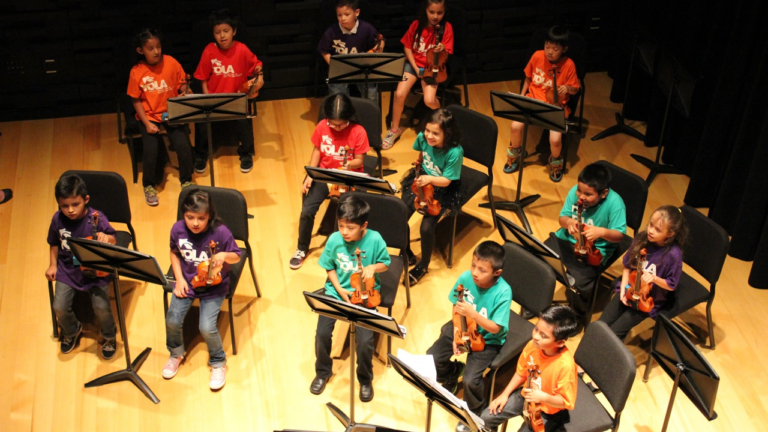
Studies show links between arts programs and positive academic outcomes, skills
Assal Habibi (Psychology; Brain and Creativity Institute) spoke with WHYY-TV about a USC study linking arts programs to improved student development and academic success. Health Medicine Network covered the findings. Medical Xpress, Politis (Greek) and LaProvence (French) covered Habibi’s study of nostalgic music’s effects on memory.

How nostalgic music helps minds remember
A new study led by USC’s Brain and Creativity Institute found that nostalgic music activates brain regions tied to memory, self-reflection, and reward, offering insight into how music can support emotional well-being and cognitive function. These findings suggest that music may be a powerful, nonpharmacological tool to help individuals with memory impairments reconnect with their past.
In fascinating study, neuroscientists reveal the unique impact of nostalgic music on the brain
A study in Human Brain Mapping led by Sarah Hennessy and Assal Habibi found that nostalgic music activates brain regions related to memory, self-reflection, and emotion, with older adults showing stronger responses. The findings suggest that nostalgic music could play a unique role in emotional well-being and memory retention, particularly in aging populations. The study’s authors hope to apply this research to music-based therapies for neurodegenerative diseases like Alzheimer’s.
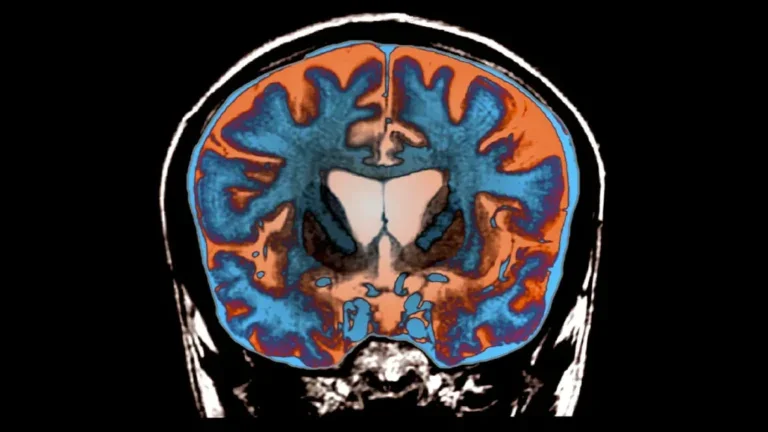
This genetic disorder can masquerade as addiction, depression, or psychosis
Huntington’s disease (HD) is often misdiagnosed due to its varied symptoms, which can resemble psychiatric disorders like schizophrenia or substance abuse issues, leading to stigma and delayed recognition. Neurologists Dr. Xenos Mason and Dr. Hengameh Zahed emphasize the importance of thorough family history and clinical awareness, as misdiagnosis can impact symptom management, quality of life, and family planning—challenges that may become even more critical if disease-modifying treatments emerge in the future.

Patients suffer when these rare neurological conditions are misdiagnosed
Diagnosing rare neurological disorders is challenging, often requiring years of searching and multiple referrals, according to specialists like Dr. Xenos Mason and Dr. Hengameh Zahed. While some may view genetic diagnoses as less impactful due to limited treatments, experts emphasize that early identification can provide closure, prevent unnecessary tests, and, in some cases, lead to effective treatments that halt disease progression.
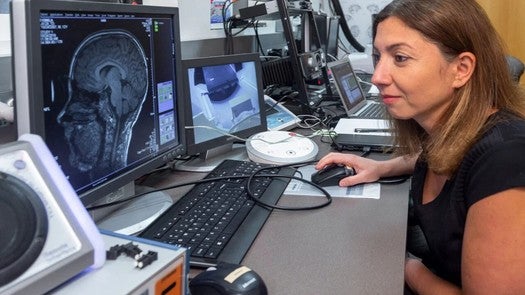
Arts educators reach out after L.A. fire disaster
Music and arts education can help students recover from natural disasters by improving emotional resilience, decision-making, and stress response, according to neuroscientist Assal Habibi. Her research at USC’s Center for Music, Brain, and Society shows that musical experiences enhance emotion regulation, providing children with a vital outlet for expression and healing after traumatic events.
Unraveling the enigma: Antonio Damasio’s journey into the core of consciousness
Antonio Damasio’s research redefines consciousness as a dynamic interplay between the brain, body, and environment, rooted in homeostatic feelings like hunger and pain, which anchor our sense of self and decision-making. His work challenges traditional views, suggesting that emotions are fundamental to rational thought, and argues that true consciousness, unlike artificial intelligence, cannot exist without a biological body.
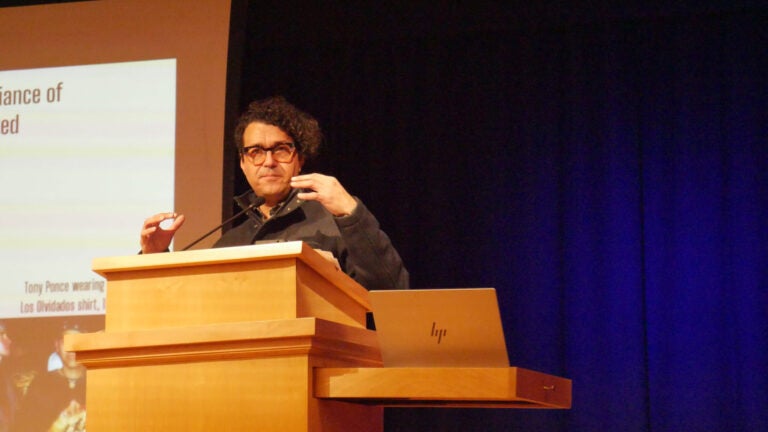
Jorge Leal and Jonathan Leal explain music as archive and resistance in the borderlands
The Latin American, Caribbean, and Latinx Studies department hosted a talk featuring professors Jorge and Jonathan Leal on how music shapes identity and solidarity among Latino immigrant communities. The discussion, organized by student Alexandra Camargo as part of her honors thesis, explored how music serves as a cultural bridge, counters media misrepresentation, and preserves untold stories, particularly in the Texas-Mexico borderlands and Los Angeles Latino communities.

Global Guyana: An Interview with Oneka LaBennett
Oneka LaBennett (American Studies and Ethnicity; Gender and Sexuality Studies) spoke with African American Intellectual History Society about her new book, Global Guyana.

Music, Hearing Science, and Resilience: Dr. Raymond Goldsworthy’s Mission to Improve Cochlear Implants
Dr. Raymond Goldsworthy lost his hearing at 13 due to spinal meningitis and later regained sound perception through a cochlear implant, inspiring him to pursue a career in signal processing and otolaryngology. Now a faculty member at USC, he researches ways to enhance cochlear implants, particularly in music perception, and aims to develop real-time algorithms to improve pitch perception and sound localization for implant users.