
Jared Dahl Aldern
Jared D. Aldern is an educator and historical ecologist. He is a co-founder of the Sierra-Sequoia Burn Cooperative (now known as the Sierra-Sequoia Resource Stewards), a coalition of four Native American Tribes, non-Native landowners, and others working to reestablish the collaborative fire, land, and water stewardship culture of the late nineteenth century and earlier times in the southern Sierra Nevada. He is co-editor of Landkeeping: Restoring Indigenous Fire Stewardship and Ecological Partnerships (2026, Corvallis: Oregon State University).
Aldern earned his Ph.D. in Sustainability Education (2010) and his Master of Arts in History and Environmental Studies (2002) from Prescott College. He also holds a bachelor’s degree in physics (biophysics) from Cornell University (1981).
Contact: jared@jareddahlaldern.net
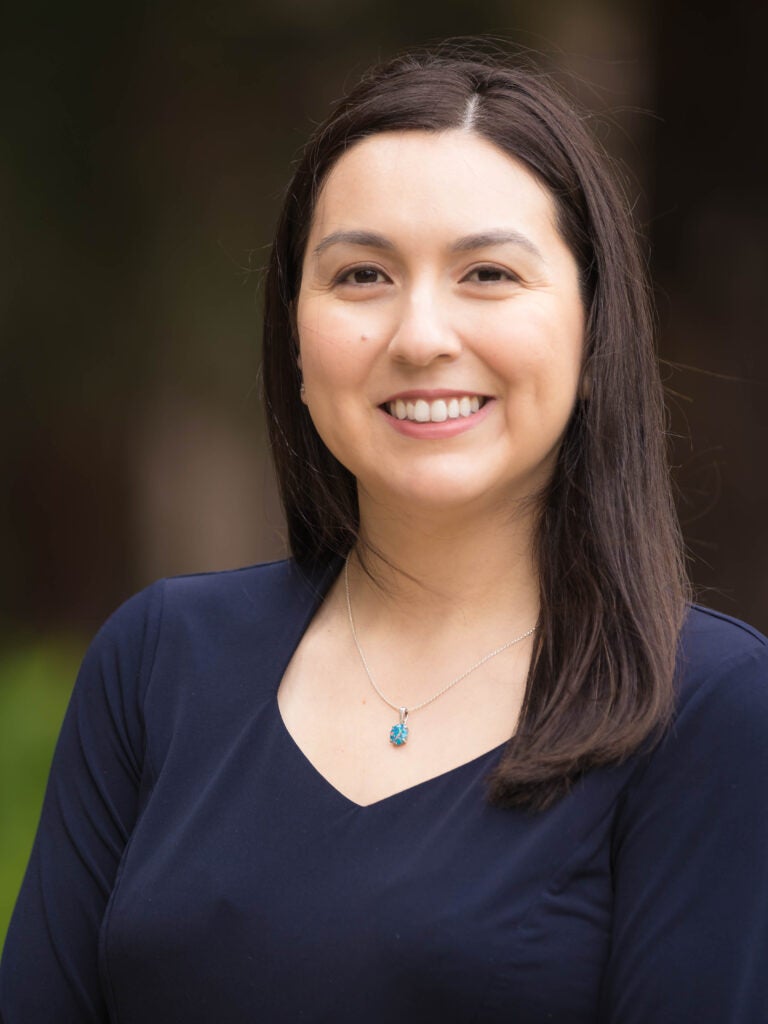
Genevieve Carpio
Dr. Genevieve Carpio is Associate Professor of Chicana/o and Central American Studies at the University of California, Los Angeles, where she works on questions related to relational racial formation, the urban humanities, and 20th century U.S. history. Carpio is author of Collisions at the Crossroads: How Place and Mobility Make Race (University of California Press, 2019), which received the Sally and Ken Owen’s book award from the Western Historical Association and was a finalist for the National Association of Chicano and Chicana Studies book prize. Supported by the Ford Senior Fellowship, a Huntington short-term fellowship, and the NEH, she is now working on a second book project concerned with the ways companies, government agencies, community activists, and everyday drivers have navigated automotive insurance and their varying visions of safety when on the move. She holds a PhD in American Studies and Ethnicity, a Masters in Urban Planning, and a graduate certificate in Historic Preservation.
Contact: gcarpio@g.ucla.edu
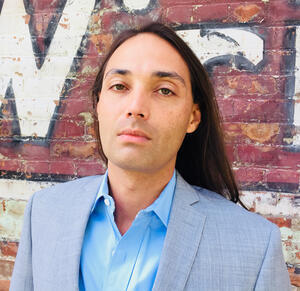
Will Cowan
Will Cowan is an Assistant Professor of Environmental Studies Cal Poly Pomona. Dr. Cowan previously worked as a Postdoctoral scholar on the West on Fire Project. He studies the history of weather and water extremes in the North American West. He earned his Ph.D. in history from USC. His dissertation tells the environmental and social histories of the Big Winter of 1862 and presents a broad overview of atmospheric rivers, elemental meteorological forces in the Pacific Slope’s past, present, and future.
Contact: wcowan@cpp.edu
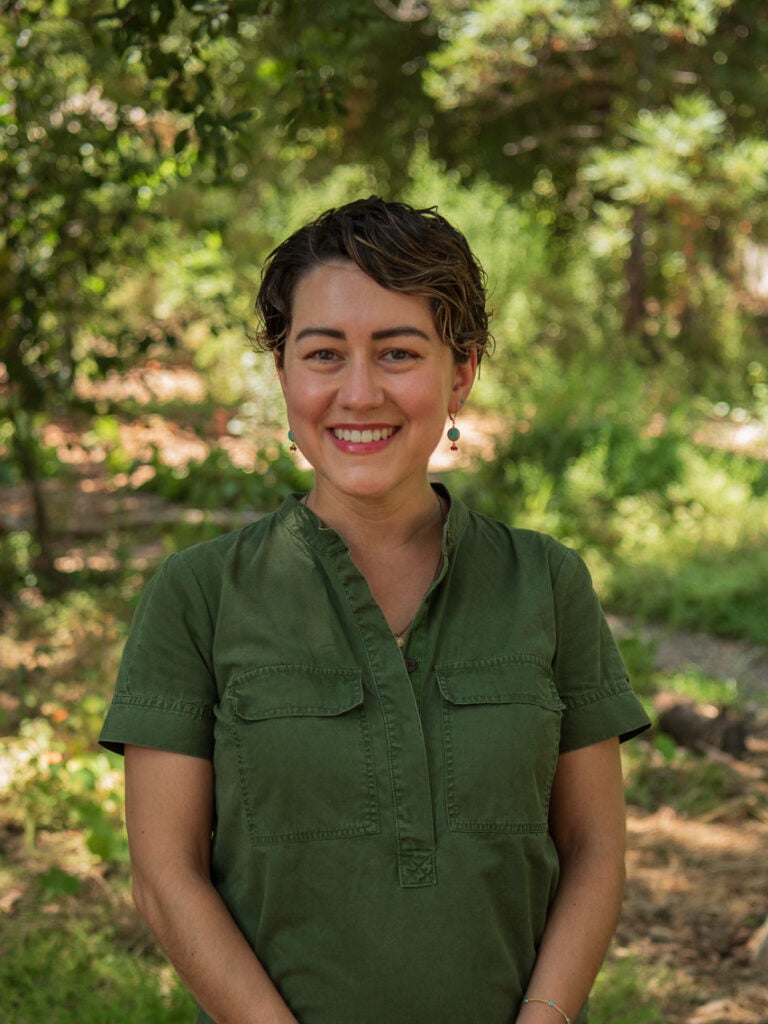
Laura Dominguez
Dr. Laura Dominguez is a historian of race, heritage, and place-keeping. She specializes in co-creating partnerships and projects in California and the West, with expertise in culturally relevant collaborations with women, Latinx, LGBTQ+, immigrant, and Tribal communities. She currently serves as the NEH Postdoctoral Scholar and Research Associate with the USC-Huntington Early Modern Studies Institute, where she belongs to the LA2026 project team. From 2023 to 2025, she was a Mellon Humanities Postdoctoral Fellow with the National Park Service. She previously worked in advocacy and education for the Los Angeles Conservancy and San Francisco Heritage. In 2014, she co-founded Latinos in Heritage Conservation and continues to serve on its Board of Directors. She is also a Trustee of the California Preservation Foundation and a former member of the Los Angeles Mayor’s Office Civic Memory Working Group.
Dr. Dominguez earned her Ph.D. in History (2023) and her Master of Historic Preservation (2012) from USC. She also holds a bachelor’s degree from Columbia University (2010). Her award-winning dissertation studied the historical power of repair and cultural memory in Los Angeles from the eighteenth through the twenty-first centuries.
Contact: ladoming@usc.edu
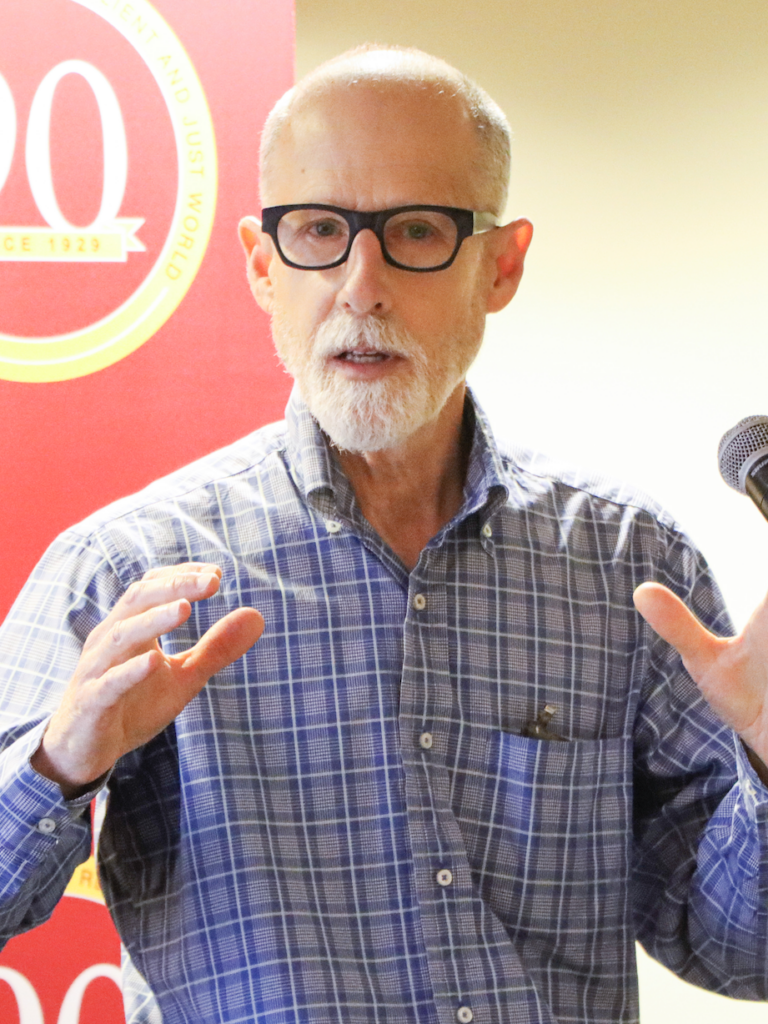
Greg Hise
Greg Hise studies the economies, ecologies, and social relations that have shaped American cities. In six books and more than twenty-five essays he has examined metropolitan Los Angeles, regions and regionalism, and architecture as state building among other topics, often in collaboration with ICW Director William Deverell. Hise is a Co-PI and lead contributor to the Institute’s Chinatown Research Project. His status as Professor Emeritus (UNLV) has freed time to write a history of the long struggle to open housing to all Americans, a study that brings California to the forefront of Civil Rights narratives fundamentally national in scope that have been southern and northern in their telling.
Contact: hise@unlv.edu
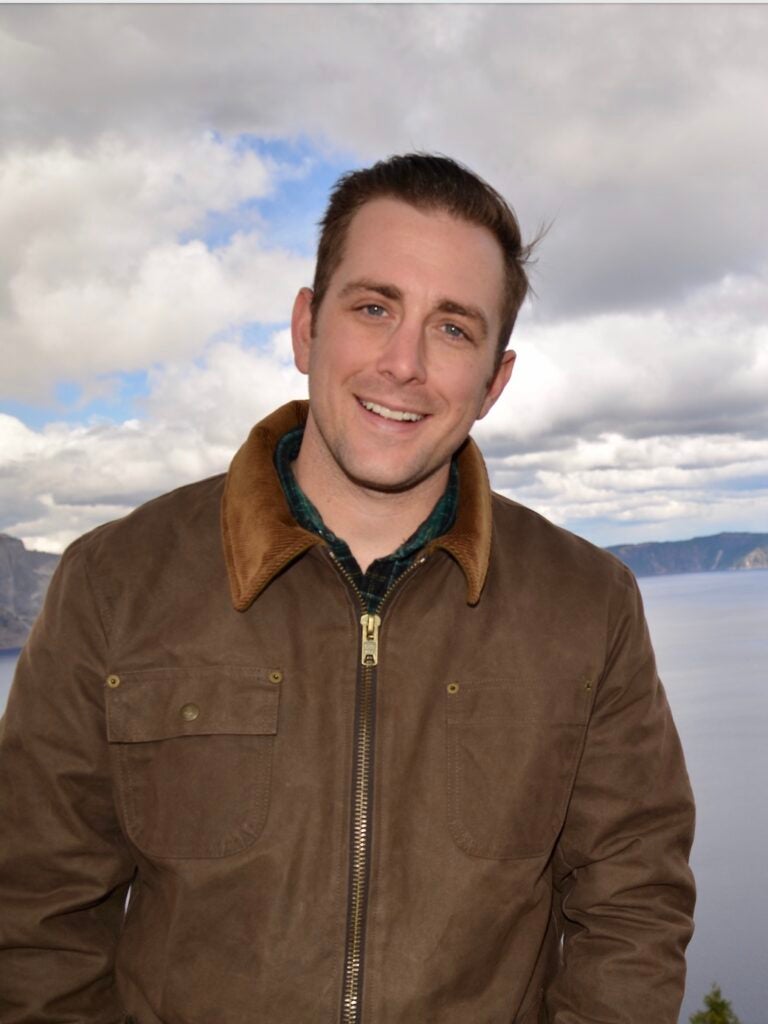
Jameson Karns
Jameson Karns received his Bachelor’s degree with High Honors, Master’s degree, and Ph.D. from the University of California, Berkeley. He is the Assistant Research Director to The West on Fire. Prior to academia, he served as a wildland firefighter for over a decade in California. His previous work includes working as an analyst with: the RAND Corporation, the United States Forest Service, Oak Ridge National Laboratory, and the Global Fire Monitoring Center based in Germany. Jameson’s work, publications, and teaching focuses on the role of international forestry and fire management in the 19th and 20th centuries.
Contact: j.karns@berkeley.edu

Kate McInerny
Kate McInerny’s work bridges urbanism, culture, and community. She is interested in how people shape — and are shaped by — the spaces we inhabit. This exploration has taken her from Los Angeles to Paris, where she currently works at the historic New Morning jazz club and is developing a digital storytelling project highlighting the venue’s cultural heritage. Her ICW work includes archival research and contributions to the planning, writing, and design for the Where You Stand: Chinatown 1880–1939 exhibition at Union Station. She also developed interactive maps for the exhibition’s enduring digital platform.
Kate is pursuing a Master’s in Cultural Policy and Management at Sciences Po, Paris, in a dual-degree program with Columbia University, where she will study Urban Policy. She earned her bachelor’s degree summa cum laude from UCLA in 2022.
Contact: katemcinerny11@gmail.com
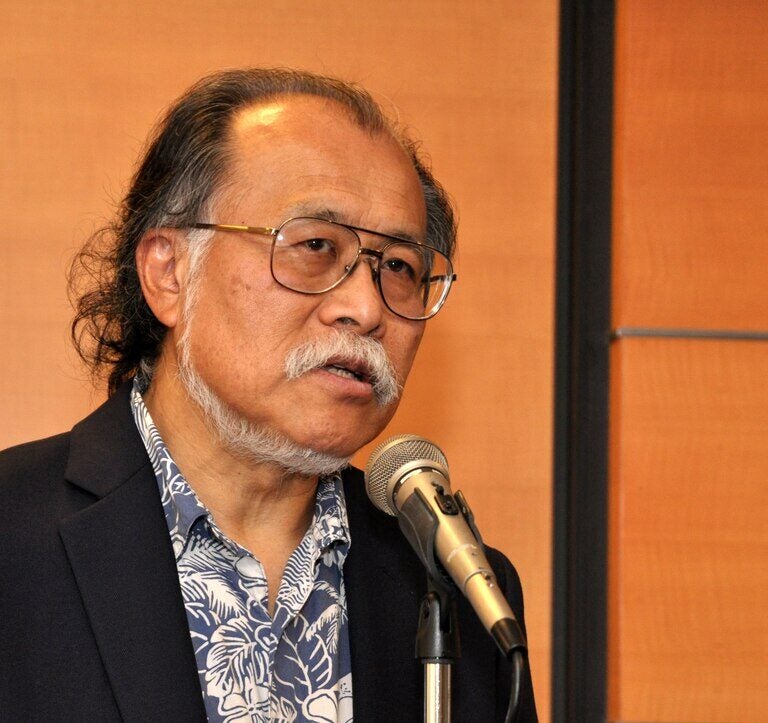
Eugene Moy
Eugene Moy has been involved with public history and historic preservation for nearly 50 years. He has served on the boards of the Chinese Historical Society of Southern California, the Friends of the Chinese American Museum, Chinese American Citizens Alliance Los Angeles, the Save Our Chinatown Committee (Riverside CA), the Historical Society of Long Beach, and other organizations. Over the years, he has researched and provided many talks on Chinatown and Chinese American history, and has assisted many students, undergraduate and graduate, and many journalists, researchers, and historians, with their research.
Professionally, he is retired after over 35 years in municipal planning and economic development, working for cities in Los Angeles County, and continues to serve on the board of a non-profit affordable housing development corporation.
Eugene is a native of Los Angeles, a graduate of California State University Long Beach, and has resided with his family in the San Gabriel Valley since 1986.
Photo credit: U.S. Army Corps of Engineers http://www.usace.army.mil/Media/Images.aspx?igphoto=2000746484

Becky Nicolaides
Becky Nicolaides is the co-coordinator of the LA History & Metro Studies group. She received her B.A. from USC in history and journalism and her Ph.D. in American history from Columbia University. After serving on the faculties of Arizona State University West and UC San Diego, she became an LA-based scholar and historical consultant in 2006. Her work focuses on sub/urban history and the history of Los Angeles. She is author of The New Suburbia: How Diversity Remade Suburban Life in Los Angeles After 1945 (Oxford),My Blue Heaven: Life and Politics in the Working-Class Suburbs of Los Angeles, 1920-1965 (Chicago), and co-editor of The Suburb Reader, 2 editions (Routledge). Her articles have appeared in the Journal of Urban History, Journal of American Ethnic History, Pacific Historical Review, New York Times, Los Angeles Times, and Washington Post. She is currently a lead project member of the USC Library’s “Los Angeles County Demographic Data Project 1950-2010,” funded by the NEH, and is co-P.I. of the EU Erasmus+ transnational project “Urbanism and Suburbanization in the EU Countries and Abroad: Reflection in the Humanities, Social Sciences, and the Arts.” She previously served as a subcommittee co-chair for Mayor Eric Garcetti’s Civic Memory working group, and on the governing council of the American Historical Association.
Contact: becky.nicolaides@outlook.com

Gary Stein
Gary Stein recently served as the ICW liaison connecting with the Center for the Study of Guns and Society (CSGS) at Wesleyan University. As Visiting Scholar of History at Wesleyan University, he served as researcher on a CSGS project examining historical laws and practices of firearm use in California, post statehood. Stein received his Ph.D. in History from USC in December 2024. His dissertation, Outside the Box: Opposing the Grid and Its Apparatus in the American West, 1850-1970, examined the U.S. Public Land Survey System and the “gridding” of the Public Domain through investigating the efforts of intentionally independent societies in Kansas and California. Stein was the recipient of the USC History Department Dissertation Fellowship and invited to present on a western environmental history panel at the Whitsett Graduate Seminar, hosted by Cal State Northridge. His master’s Thesis won the Center for Communal Studies Graduate Paper Prize. Stein’s work integrates archival research with oral histories, site visits, and digital mapping such as geo-locating maps, surveys, and texts. He has contributed to two different projects on the Los Angeles River centered on historical ecology, river adjacent communities and issues of environmental justice and gentrification. He located, organized, reviewed, and compiled the materials to be used for Clockshop’s final timeline of the L.A. River: https://takemetoyourriver.org/timeline/.
Contact: garystei@usc.edu
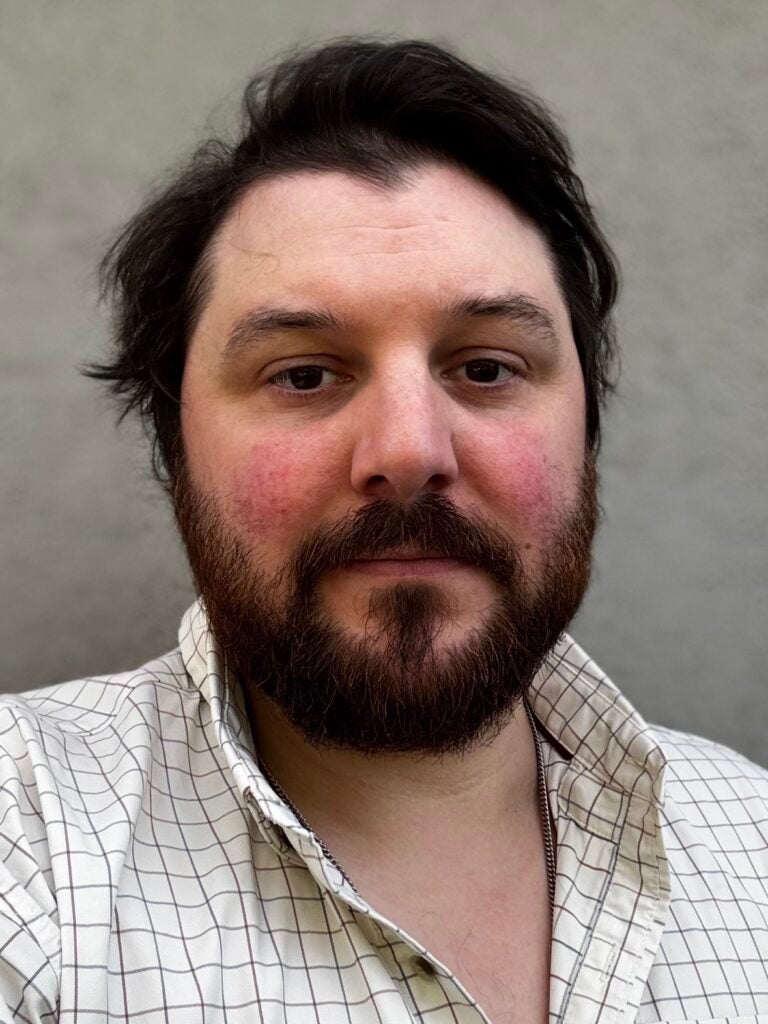
Daniel Wallace
Daniel is currently a Mellon Humanities Postdoctoral Fellow for the project “Gender in Michigan’s Copper Country: Redefining the Keweenaw’s Industrial Frontier.” Working with community partners, Daniel’s research explores the relationship between gender, sexuality, labor, and place in one of the country’s most significant mining regions. He received a Ph.D. from the University of Southern California, after receiving his M.A. from the University at Buffalo. His dissertation, Merchants of Conquest, defines the relationship between commodity capitalism and federal Indian Policy during the Gilded Age. Daniel is also working on a separate project, Omaha Affairs, which explores the politics of sex, class, race, and gender by centering a 1910’s alimony lawsuit that brought together Omaha’s most prominent citizens and the city’s notorious vice district.
Contact: wall692@usc.edu
Peter Westwick
Peter Westwick is a research professor in history at USC and Director of the Aerospace History Project at the Huntington-USC Institute on California and the West. He received his BA in physics and PhD in history from Berkeley. He is the author of Into the Black: JPL and the American Space Program, 1976-2004, and The National Labs: Science in an American System, 1947-1974, and editor of Blue Sky Metropolis: The Aerospace Century in Southern California, which was selected to Best Non-Fiction of 2012 by the LA Public Library. In 2013 he co-authored, with Peter Neushul, The World in the Curl: An Unconventional History of Surfing, an LA Times bestseller. His latest book is Stealth: The Secret Contest to Invent Invisible Aircraft.
Contact: westwick@usc.edu