Open Olympics Initiative
This past summer, I had the unique opportunity to study the Los Angeles 2028 Olympics, specifically examining the relationship between constituents and the planners and staff responsible for organizing the Games. Through interviews with key stakeholders and extensive research into organizational missions, public statements, and community outreach channels, I came to understand how Angelenos can, and sometimes cannot, make their voices heard. But you may be wondering: how did I get into this line of research?
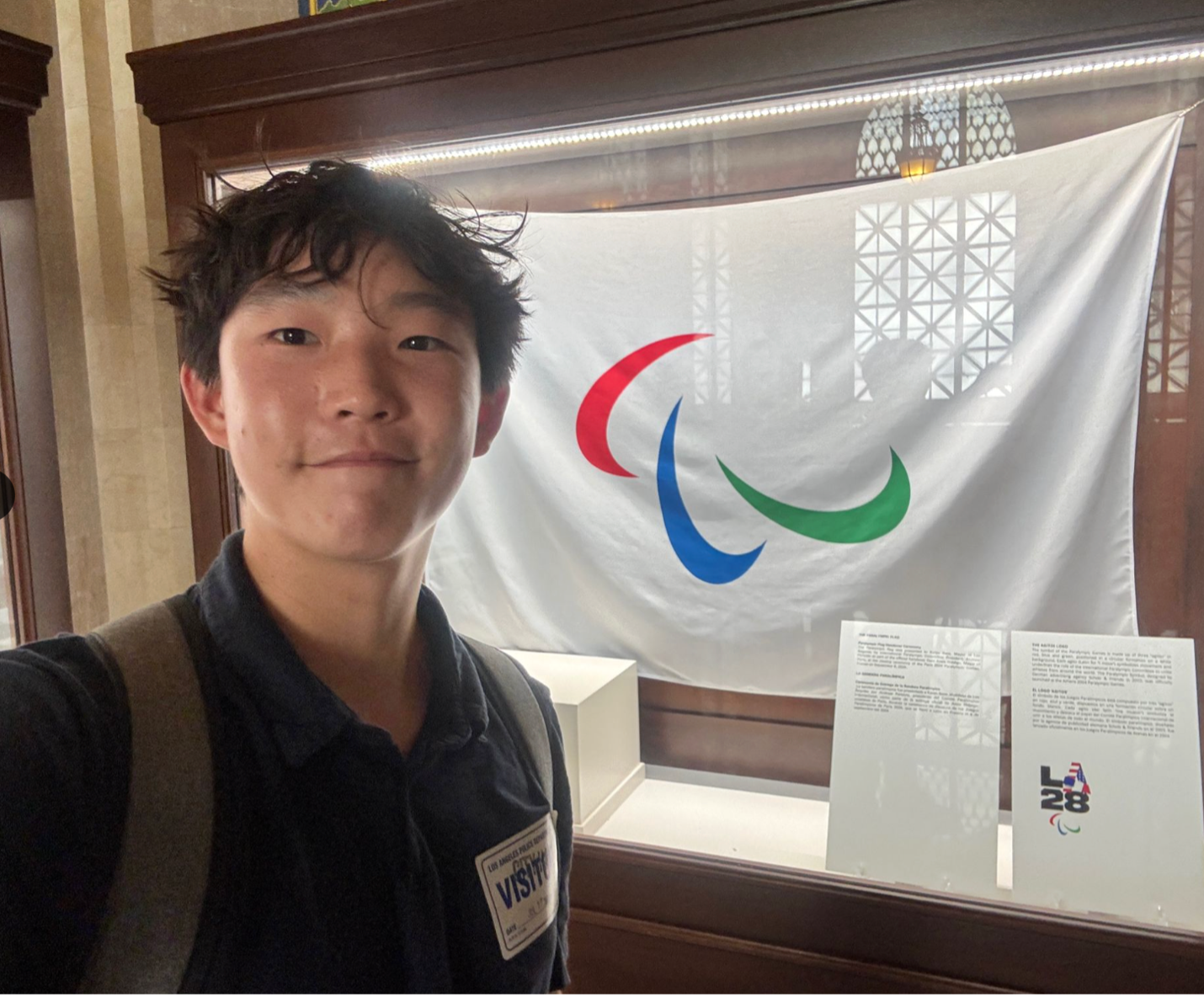
My interest in the 2028 Olympics did not really begin until I joined the Los Angeles Service Academy. Through our meetings and visits with the Port of Los Angeles, historic missions, food banks, the Coliseum, and water treatment plants, I became increasingly interested in how the city around me actually worked. As a Pacific Palisades resident, I was especially interested in how a city responds after a catastrophe and finds its feet again. That curiosity prompted me to take a deeper look at civic engagement across Los Angeles and, ultimately, at how cities prepare themselves for global events like the upcoming Olympics, an event that involves so many people and so much planning in a relatively short amount of time.
I wanted to understand how the Olympics would address constituent concerns, particularly as Los Angeles navigates a period of recovery from catastrophic fires and rapid change. Through my Honors Urban and Ethnic Studies class, I also begun thinking more critically about how concerns such as development and gentrification could affect different communities during Olympics planning across Los Angeles.
So I started digging, and I found a consistent theme: there wasn’t a quick, easy way to know where to turn if a Los Angeles resident has a concern about the Olympics. Given this void, I tried to picture how I might go about registering a concern about the impact of the Games.
Sure, I could submit a public comment, attend an ad hoc committee meeting, or contact a news outlet or community organization. But these options often felt vague and difficult to navigate. Ad hoc committees might meet only once a month at varying times, while city departments and organizations each have different processes for submitting concerns. There was often no definite timeline for receiving a response or knowing whether my comment had made any considerable difference. Even something as simple as finding my city council representative could become overwhelming for someone new to civic engagement.
That is when I saw the gap between constituents and Olympic planners and decided to build a bridge between them.
So I created the Open Olympics Initiative.
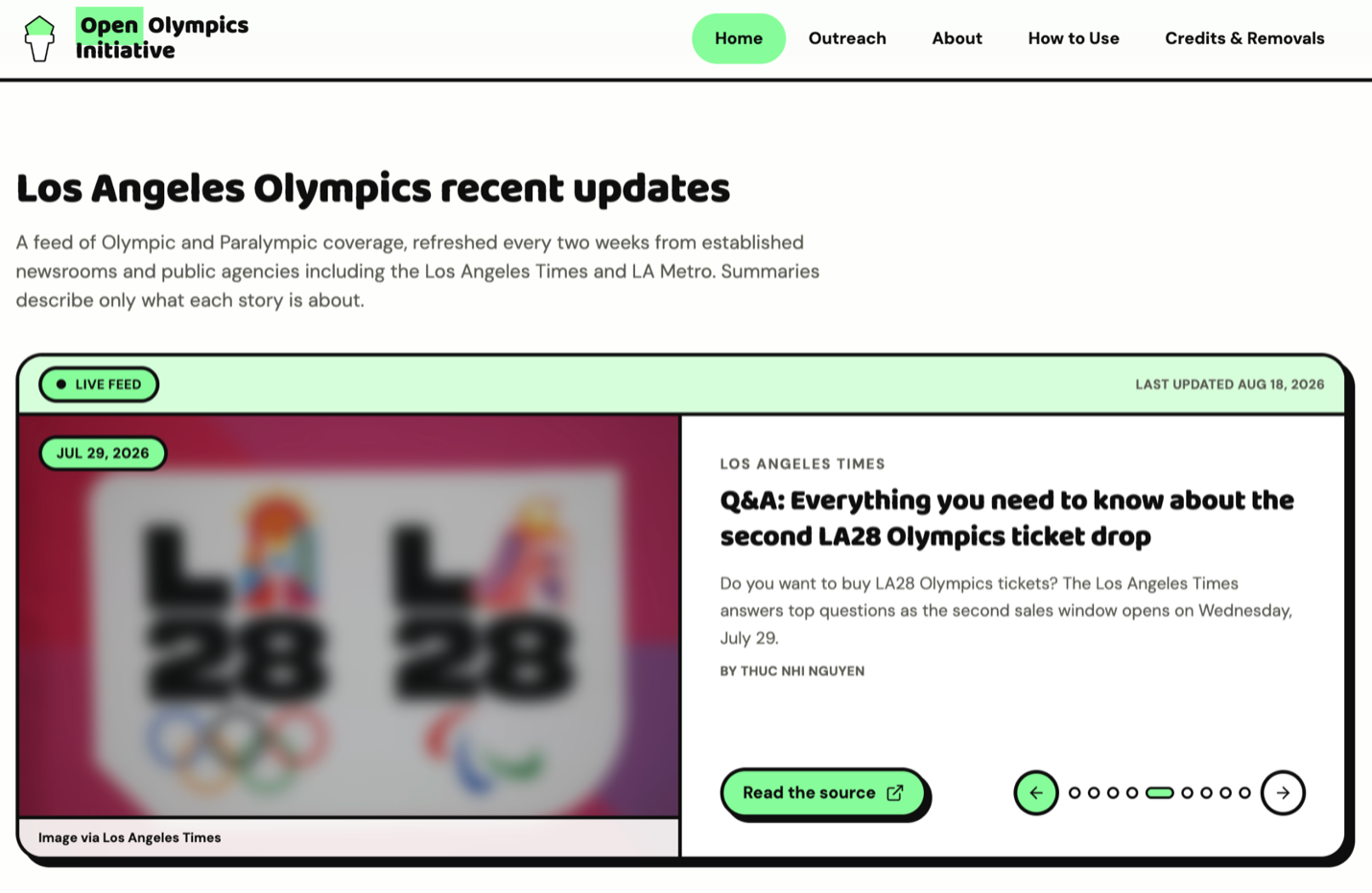
The Open Olympics Initiative is a free community resource website for Angelenos looking for ways to make their voices heard. It brings together Olympic updates and news (updated biweekly), community resources, contact information, directories, and tools in one place, making civic engagement easier to understand and use.
Ultimately, I built the website because I experienced the same problem I was researching. I had questions, but I did not know where to turn. My goal is to create the transparency I wished existed when I began this research. In a city undergoing so much change, one of the most important things we can provide residents is a clear understanding of how they can help shape what comes next. With two years remaining until the Olympics, I hope this research and the Open Olympics Initiative can create a small but significant change in how Angelenos engage with the Games. I would love to see the website shared through community forums, local organizations, and other outreach efforts as a simple starting point for residents looking for information or trying to figure out who to contact.
Ultimately, I want to see an Olympics where the community’s needs are at the forefront, and where no Angeleno feels overlooked simply because they did not know how or where to speak up.