2025-2026 CEMA Fellows
Eneos Çarka
Eneos Çarka is a filmmaker, media artist, and researcher. His films have screened at numerous festivals, galleries, and cultural events such as IDFA, HotDocs, FIPADOC where he received Tënk Award, Musée du Louvre, Venice Architecture Biennale and more. He received the FIPRESCI Award in 2023 for his MFA film “The Silence of The Banana Trees” and served as a Jury Member in the IDFA Competition for Youth Documentary in 2022. His first feature documentary “Another Day” debuted at IDFA Luminous section in 2023 where it received a Best First Feature Nomination. He is an alumnus of the DocNomads MFA program in Creative Documentary and is currently pursuing artistic research at the University of Southern California.
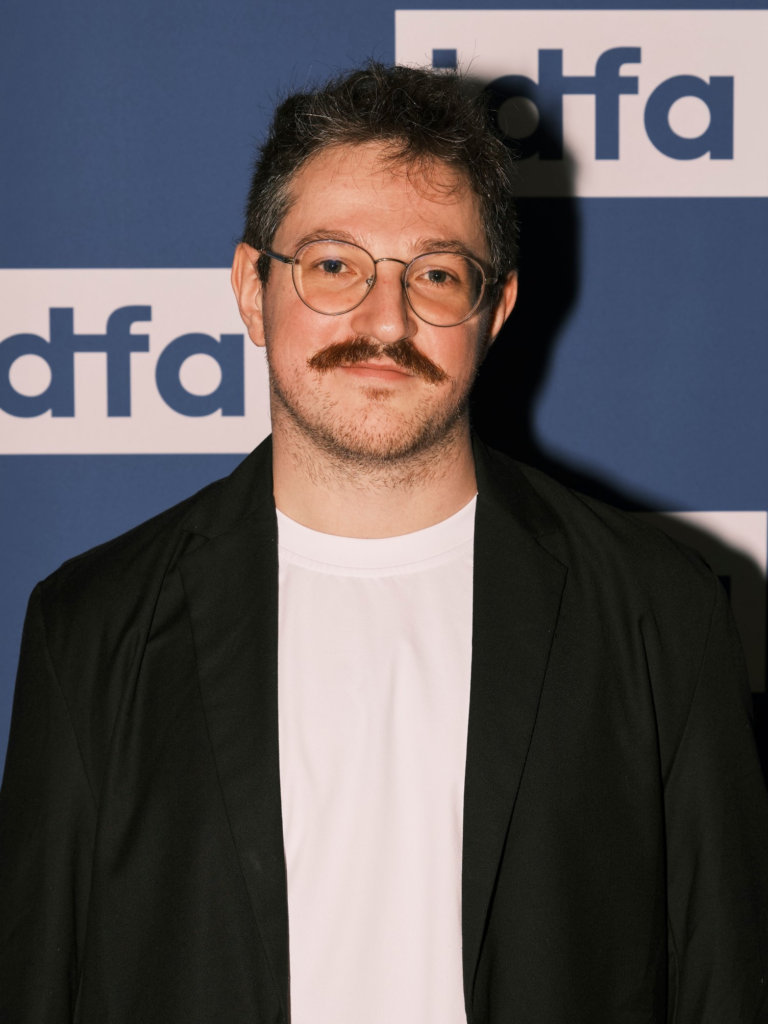
Chantal Eyong
Chantal Eyong is an interdisciplinary artist and researcher based in Los Angeles, CA. Her work explores memory, erasure, movement, and new materialism in relation to African diasporas and emerging technologies. Working across film, text, installation, and digital platforms, she engages oral histories, speculative media, and game culture to examine how communities preserve and transform narratives in digital and liminal spaces.
Her work has been featured on PBS, screened at international festivals, and recognized by institutions such as ScreenCraft, the Atlanta Film Festival, and the Mid-Atlantic Emmy Awards, where she was nominated for co-producing the documentary Thailand Untapped. She is a recipient of the USC Gerald A. Lawson Scholarship for PlayStation Career Pathways, and has exhibited and presented work at venues including CultureHub Los Angeles, the University of the Arts London, and the More-than-Human Symposium at the University of Oxford. Chantal holds an MFA in Screenwriting from UC Riverside and is a Ph.D. candidate in Media Arts + Practice at USC.
Beside Ephemera is an experimental work that explores the porous relationship between the body and digital space through Black cultural production and worldmaking. Blending personal narrative, interviews, internet archives, and remix poetry, the project traces affective encounters across virtual platforms including Animal Crossing, The Sims, and LoudCrowd—spanning pandemic isolation, play, and refusal.
The project considers the knottiness of memory and connection that emerge between worlds. How do our bodies mediate these digital encounters? What do they do to us, and how might we archive ephemeral connections without flattening their messiness?

Brodie Quinn
Brodie Quinn is a researcher of religious nationalist movements. For his MA, he conducted long-term fieldwork with Pro-British Protestant Christian groups in Northern Ireland. This involved attending meetings and parades of the pro-Unionist anti-Catholic groups in the border areas of the country, as well as joining my interlocutors in charged environments as they protested and organized against social issues such as abortion and same-sex marriage. His larger PhD project at USC looks at similar ground, studying secularism and the separation of church and state here in the US.
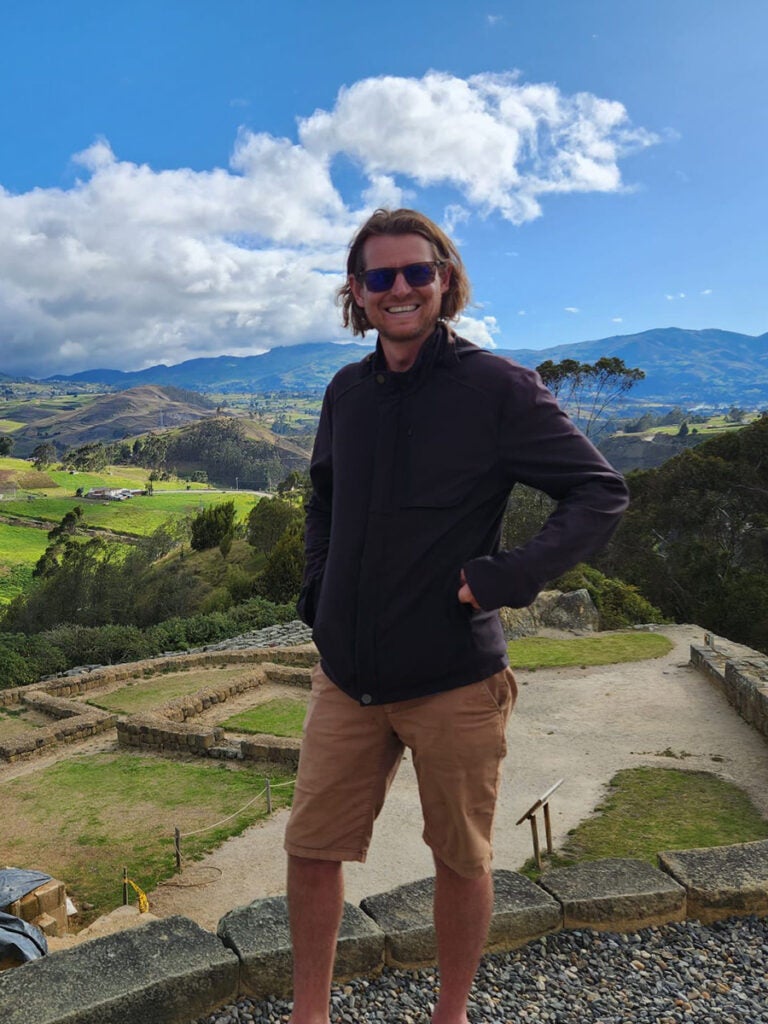
David de Rozas
David de Rozas is a filmmaker, visual artist, and PhD student in the Media Arts and Practice program at the USC School of Cinematic Arts. His practice investigates the politics of memory as an embodied and affective method to conjure forms of collective resistance and restitution against historical cultural amnesia and violence. David’s films and video installations resurface memories and erasures in social and built environments, by looking at human and nonhuman bodies, places, and materialities as sites shaped by unfolding historical authority, regimes of truth, and institutions of power. During CEMA’s fellowship, he will work on a 16mm feature-length film that critically observes, documents, and interrogates Downtown Los Angeles’s current redevelopment plan’s impact on its communities and environments.
De Rozas’ award-winning films have been screened in festivals and film-curated series worldwide, including NY MoMA, Visions du Réel, FullFrame, Sheffield Doc/Fest, True/False, Kassel DocFest, and the Smithsonian African American Film Festival. David has been a Flaherty Fellow in 2019, a VIA Art Fund Production grantee in 2020, artist-in-residence at Headlands Center for the Arts in 2021, and USC Annenberg Fellow in 2023.
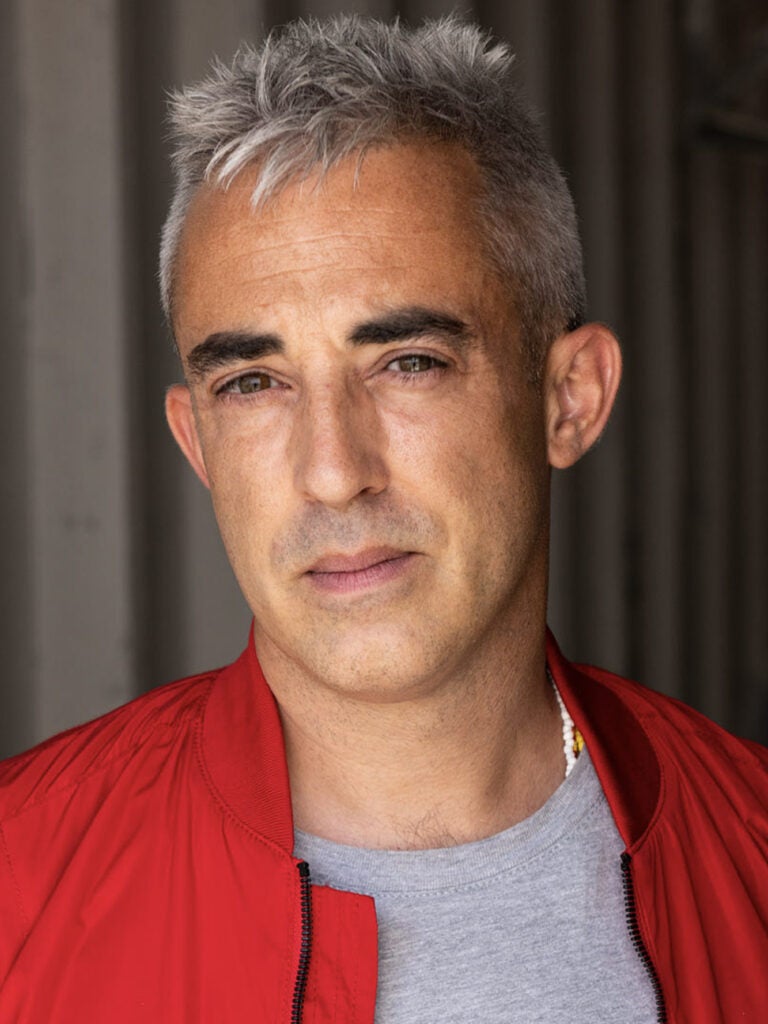
Grace Simbulan
Grace is a filmmaker and a 2nd year PhD student in the Anthropology department, where her research delves into the complexities surrounding the families affected by the war on drugs in the Philippines. Her work explores trauma, grief, conceptions of justice, and authority in this context.
Her works have been supported and recognized by the AIDC, Tokyo Docs, AFA, and DMZ Docs to name a few. In 2020, she received the Nō Studios Artist Grant in film to support her work in Wisconsin. Her first feature film A IS FOR AGUSTIN (2019), premiered in S. Korea and was shown in China, Italy, France, New Caledonia, Canada, the Philippines, and the US. This film was also featured in CNN Philippines’ Top 10 Filipino Films of 2019.
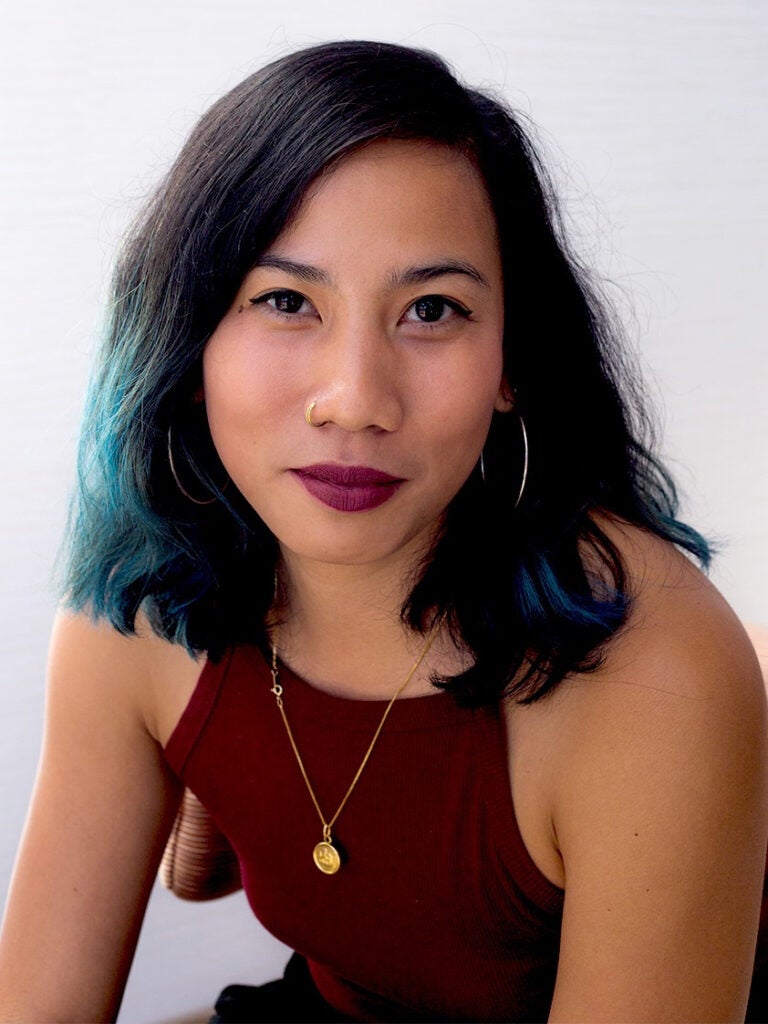
Shaoyu Tang
Shaoyu Tang comes from Dalian, China, and is a 2nd year PhD student in Anthropology. His research interests cover visual/media, performance, and state and nationalism. Particularly, his doctoral project about Chinese stand-up comedians investigates the role humor and laughter play in public culture. Besides, for over five years, he has devoted his spare time to supporting the conservation practices of local Tibetan herdsmen in Gansu province. Before coming to USC, he received a bachelor’s degree in chemical engineering from Sichuan University (2014-2018) and a master’s degree in interdisciplinary studies from New York University (2018-2020). He also studied sociology at the University of Hong Kong. His recent research paper is published in Global Storytelling: Journal of Digital and Moving Images.
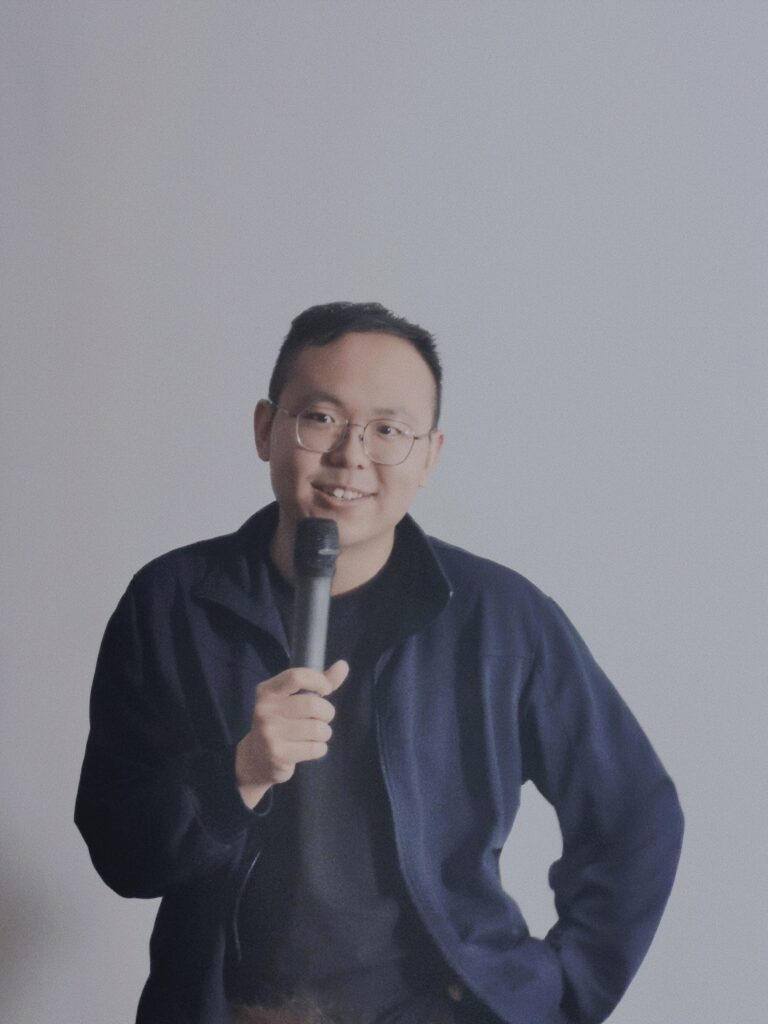
Parker Hatley

Sichong Xie
Sichong Xie combines movement and material in body-based sculptural forms, including masks, costumes, and other objects. By placing traditional sculptural forms within new sites, materials, and social constructs, Xie investigates these forms and movements within global communities to re-consider and re-envision shared spaces and performative practices. She raises questions about identity, politics, cross-culturalism, and the surreal characteristics of her
body in the ever-changing environment. Xie received her MFA from the California Institute of the Arts, CA. She is the recipient of the 2022 MAP Fund Award and the 2021 Artadia Los Angeles Award. Her most recent installation “Memory Structure, Scaffold Series” at the Wende Museum in Los Angeles, features objects and arrangements emblematic of memory and temporality: bamboo scaffolding, embroidery on industrial mesh, and a set of laser-engraved drawings that will fade from continual exposure to light, through which she reimagines architectural drawings created by her grandfather in the late 1950s and early 1960s. She was a fellowship artist at MacDowell, Yaddo, Hauser & Wirth Somerset, The Studios at MASS MoCA, and Skowhegan School of Painting & Sculpture. Recent exhibitions include the USC Pacific Asia Museum, Los Angeles, Wende Museum, Los Angeles, OCAT Art Museum in Xi’an, China, LACE, Los Angeles, Chashama Gallery, New York, and Zentrum für Kunst und Urbanistik in Berlin, Germany. She is currently a PhD candidate in the Media Arts and Practice program with a graduate certificate in Performance Studies at the University of Southern California.

Vladislava Lodesk
Vlada Lodesk is a PhD student at USC School of Cinematic Arts and a filmmaker with an interest in personal documentaries, essayistic, and experimental film practices. Her current research investigates how creative documentaries engage with absence and the ineffable through formal techniques and how these practices reshape theories of (a)visuality. These ideas are central to her latest short letter-film to her deceased father, whom she never met, in which she traces his presence through her mother’s memories and the artifacts he left behind.
Vlada holds a Master’s degree from Indiana University, where she was a Fulbright Research Fellow. Her practice-led research there focused on accented filmmakers and their use of cinematic techniques to evoke visceral experiences of displacement. As a CEMA fellow, Vlada will continue to explore notions of home and dislocation. Her CEMA project is a diaristic road film that follows two simultaneous east-to-west journeys set in contrasting geographies: her own move from Indiana to California and her family’s relocation from Siberia to the Caucasus. Struggling to reconcile emotional and cultural distances, Vlada turns to cinema as a space where a connection between places, generations, and fragmented identities becomes possible.

Faye Zhang
Faye is a visual artist and ethnographic filmmaker. Working in video, comics, and animation, her works often circumnavigate themes that arise from and intersect with China’s turbulent periods of social reform, from the founding of the People’s Republic of China in 1949 to the country’s present day COVID-19 policies.
Faye previously earned a degree in Chinese Law and Society at Peking University as a Yenching Scholar (2019-2021). She trained in filmmaking and anthropological research methods at the Granada Center for Visual Anthropology in Manchester, U.K (2018-2019) whilst funded by a Fulbright Student Scholarship. Before that, she worked in Washington, D.C. at two museums: Smithsonian Folkways Recording, the nonprofit record label of the Smithsonian Institution, and the Dumbarton Oaks Research Library and Collection. Her undergraduate degree was completed at Harvard University.
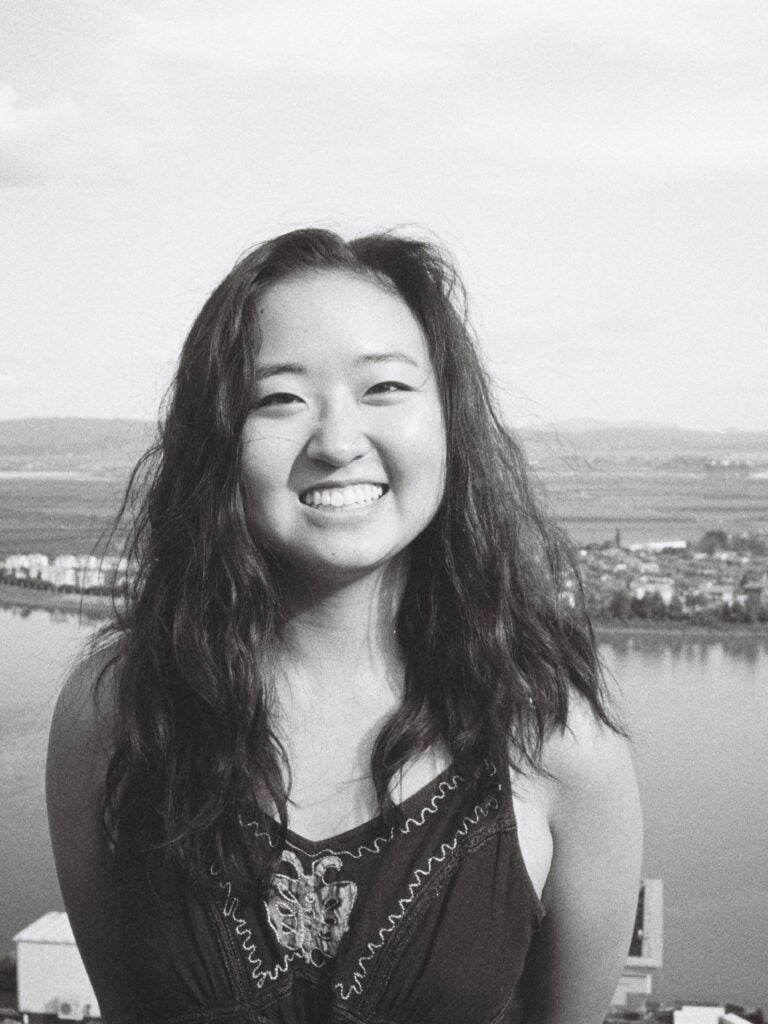
Ellie Schmidt
I am a visual artist and filmmaker from Denver, CO. My research explores social, ecological and physical “sites of exchange” of Pacific coastlines through film, swimming, boating and love stories. I am interested in developing new vocabularies for considering mutual exchanges (hunting, eating, freediving, osmosis) that define contemporary relationships between subsistence cultures and wild places, especially in Southeast Alaska and Southern California. In the context of widespread ecological destruction, how can arts practice lead us towards a more enmeshed, reciprocal, loving relationship with the world? Can fiction, myth, or traditions help us to imagine and implement beautiful, blue, post-humanist futures? I use documentary films, poems, creative nonfiction and interactive installations to ask what different types of interfaces— romantic attachment, subsistence, cutting fish— can teach us about these landscapes of love and loss.
Tessa, a collaboration between Ellie Schmidt and her mother Nanci Lee, is an intimate ethnographic film about a woman who died from complications from an illegal abortion in 1966, leaving behind a husband and five children. The film cultivates nourishing and difficult conversations about daughterhood, reproductive health in America, diasporic loss and intergenerational memory.

Antigoni Tsagkaropoulou
Antigoni (b.1993) is an artist, filmmaker, and performer from Greece, constructing speculative worlds that pulse between reality and fiction, centering a chorus of queer, femme, and non-human voices existing in the margins of techno-capitalist regimes. They often conduct archival research into sidelined histories or draw inspiration from the potent stories of those living intimately around them—stories they translate into poetic, hybrid films that rupture normative perceptions of time, space, and being. Through a deliberate fusion of live-action performance and immersive CGI environments, Antigoni destabilizes boundaries between fantasy and materiality, creating spaces of sensory disruption and transformative potential. Other times, they create the radical spaces for these kinds of stories to be told and flourish, utilizing speculative storytelling, and participatory sculptural installations designed to foster emergent forms of collective imagination. Collaboration—with artists, friends, lovers, and machines—is fundamental to their practice, grounding their work in relational and intimate methodologies that propose visionary reconfigurations of social, political, ecological, and economic systems. During the CEMA fellowship they will work on an interdisciplinary project about reimagining human/robot/planetary interaction through soft intelligences, affective vulnerabilities, and eco-queer relationalities.
Antigoni is currently a Ph.D candidate in Media Arts and Practice at USC School of Cinematic Arts. They hold an MFA in Media Arts from UCLA School of the Arts and Architecture under a Fulbright Scholarship and a BFA in Sculpture from the Athens School of Fine Arts in Greece. Their work has been exhibited at prestigious venues such as the Arnolfini Center for Contemporary Arts in Bristol, Honor Fraser Gallery, REDCAT Roy and Edna Disney CalArts Theater, UCR Arts x LACMA as part of PST Art, among others.
During the CEMA fellowship Antigoni will work on an interdisciplinary project about reimagining human/robot/planetary interaction through soft intelligences, affective vulnerabilities, and eco-queer relationalities. It is a film installation featuring performances with a robot dog and experimental interviews with roboticists who are using these technologies in subversive ways. The film will be shot in 16mm as an attempt to soften the rigidity, cleanness, and accelerationist language often associated with these technologies.

2024-2025 CEMA Fellows
Eneos Çarka
Eneos Çarka is a filmmaker, media artist, and researcher. His films have screened at numerous festivals, galleries, and cultural events such as IDFA, HotDocs, FIPADOC where he received Tënk Award, Musée du Louvre, Venice Architecture Biennale and more. He received the FIPRESCI Award in 2023 for his MFA film “The Silence of The Banana Trees” and served as a Jury Member in the IDFA Competition for Youth Documentary in 2022. His first feature documentary “Another Day” debuted at IDFA Luminous section in 2023 where it received a Best First Feature Nomination. He is an alumnus of the DocNomads MFA program in Creative Documentary and is currently pursuing artistic research at the University of Southern California.
Callianne Jones
Callianne Jones (b. Romeo, Michigan) is an interdisciplinary artist from Minneapolis, Minnesota. Her practice is research-based and is currently centered around the exploitative history and extraction from the American landscape as it relates to environmental preservation. She works within the mediums of photography, installation, and moving image to investigate both sociopolitical and environmental stories of personal importance. The subject of Jones’ artwork is derived from experience; her process is driven by it. By their nature, experiences are neither linear nor consistent, and her artistic process is similarly multifaceted and fluid, changing to accommodate the message and motion that each piece demands. Many times this work emphasizes the importance of cause-and-effect, questioning what we leave behind in this world. Individuals and their environments leave impressions on each other; she is driven to create work inspired from those impressions.
Jones graduated from the University of Minnesota with a BSB in Marketing and a BFA in Art – Photography and Moving Image and is currently an MFA candidate at the University of Southern California Roski School of Art and Design.
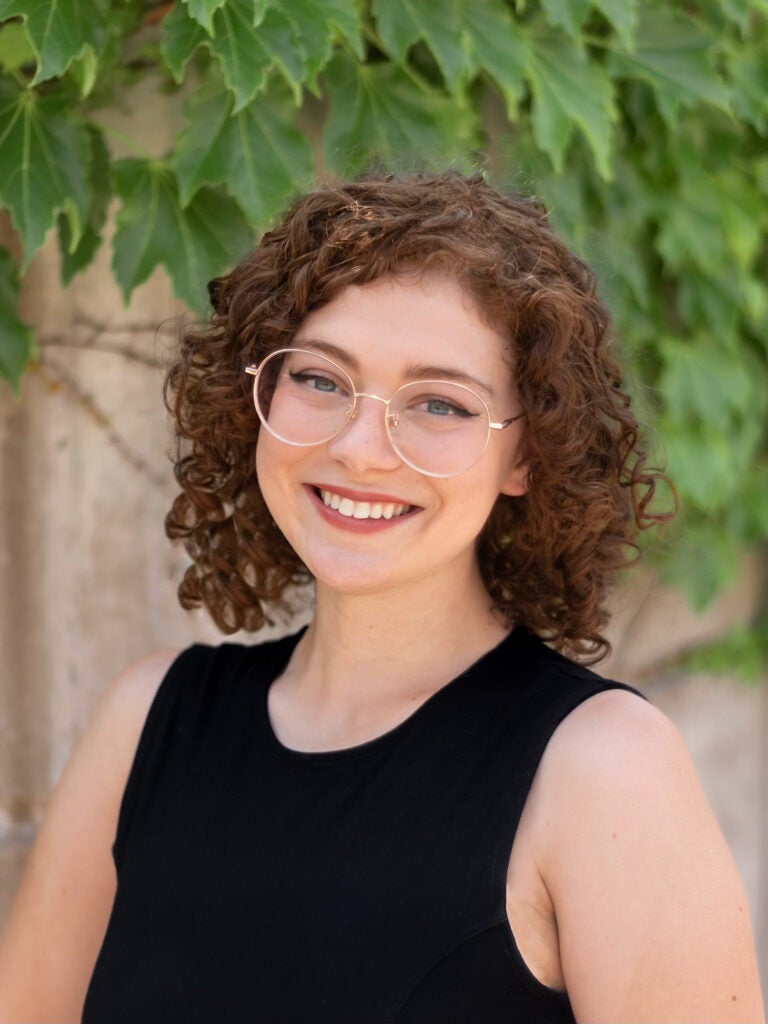
Brodie Quinn
Brodie Quinn is a researcher of religious nationalist movements. For his MA, he conducted long-term fieldwork with Pro-British Protestant Christian groups in Northern Ireland. This involved attending meetings and parades of the pro-Unionist anti-Catholic groups in the border areas of the country, as well as joining my interlocutors in charged environments as they protested and organized against social issues such as abortion and same-sex marriage. His larger PhD project at USC looks at similar ground, studying secularism and the separation of church and state here in the US.
David de Rozas
David de Rozas is a filmmaker, visual artist, and PhD student in the Media Arts and Practice program at the USC School of Cinematic Arts. His practice investigates the politics of memory as an embodied and affective method to conjure forms of collective resistance and restitution against historical cultural amnesia and violence. David’s films and video installations resurface memories and erasures in social and built environments, by looking at human and nonhuman bodies, places, and materialities as sites shaped by unfolding historical authority, regimes of truth, and institutions of power. During CEMA’s fellowship, he will work on a 16mm feature-length film that critically observes, documents, and interrogates Downtown Los Angeles’s current redevelopment plan’s impact on its communities and environments.
De Rozas’ award-winning films have been screened in festivals and film-curated series worldwide, including NY MoMA, Visions du Réel, FullFrame, Sheffield Doc/Fest, True/False, Kassel DocFest, and the Smithsonian African American Film Festival. David has been a Flaherty Fellow in 2019, a VIA Art Fund Production grantee in 2020, artist-in-residence at Headlands Center for the Arts in 2021, and USC Annenberg Fellow in 2023.
Grace Simbulan
Grace is a filmmaker and a 2nd year PhD student in the Anthropology department, where her research delves into the complexities surrounding the families affected by the war on drugs in the Philippines. Her work explores trauma, grief, conceptions of justice, and authority in this context.
Her works have been supported and recognized by the AIDC, Tokyo Docs, AFA, and DMZ Docs to name a few. In 2020, she received the Nō Studios Artist Grant in film to support her work in Wisconsin. Her first feature film A IS FOR AGUSTIN (2019), premiered in S. Korea and was shown in China, Italy, France, New Caledonia, Canada, the Philippines, and the US. This film was also featured in CNN Philippines’ Top 10 Filipino Films of 2019.
Shaoyu Tang
Shaoyu Tang comes from Dalian, China, and is a 2nd year PhD student in Anthropology. His research interests cover visual/media, performance, and state and nationalism. Particularly, his doctoral project about Chinese stand-up comedians investigates the role humor and laughter play in public culture. Besides, for over five years, he has devoted his spare time to supporting the conservation practices of local Tibetan herdsmen in Gansu province. Before coming to USC, he received a bachelor’s degree in chemical engineering from Sichuan University (2014-2018) and a master’s degree in interdisciplinary studies from New York University (2018-2020). He also studied sociology at the University of Hong Kong. His recent research paper is published in Global Storytelling: Journal of Digital and Moving Images.
Kate Tomashevskaia
Kate Tomashevskaya is a fourth-year PhD student in the Department of Slavic Languages and Literatures, interested in interdisciplinary research in humanities and filmmaking. She is a member of the Visual Anthropology Graduate Certificate Program, the Digital Media and Culture Graduate Certificate Program, and the Visual Studies Graduate Certificate Program.
Kate’s visual project explores how various practices, objects, and actions contribute to the formation of the identity of ethnic Russians in Oregon—specifically, the Old Believers. The Old Believers, a conservative religious group that split from the Russian Orthodox Church in the 17th century, have maintained their traditional way of life, language, and customs for centuries. In the 1960s, Old Believers from various parts of the world started to migrate to America. One of their largest communities settled in Woodburn, which became the center of attraction for other religious communities once persecuted in Russia.
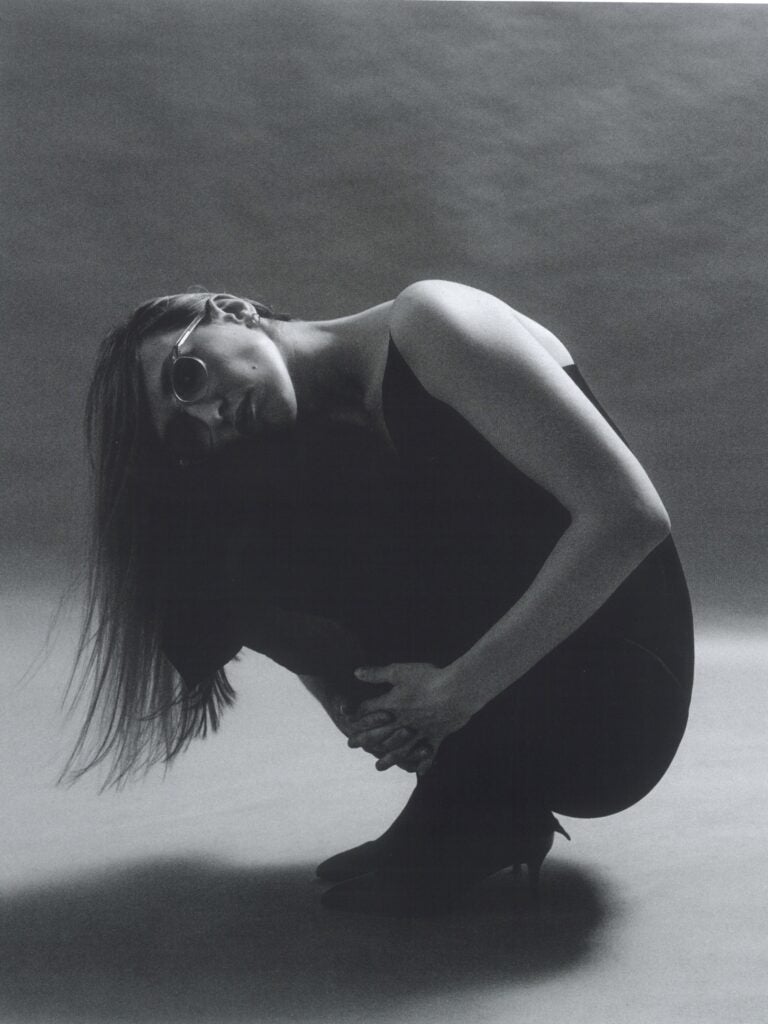
Sichong Xie
Sichong Xie combines movement and material in body-based sculptural forms, including masks, costumes, and other objects. By placing traditional sculptural forms within new sites, materials, and social constructs, Xie investigates these forms and movements within global communities to re-consider and re-envision shared spaces and performative practices. She raises questions about identity, politics, cross-culturalism, and the surreal characteristics of her
body in the ever-changing environment. Xie received her MFA from the California Institute of the Arts, CA. She is the recipient of the 2022 MAP Fund Award and the 2021 Artadia Los Angeles Award. Her most recent installation “Memory Structure, Scaffold Series” at the Wende Museum in Los Angeles, features objects and arrangements emblematic of memory and temporality: bamboo scaffolding, embroidery on industrial mesh, and a set of laser-engraved drawings that will fade from continual exposure to light, through which she reimagines architectural drawings created by her grandfather in the late 1950s and early 1960s. She was a fellowship artist at MacDowell, Yaddo, Hauser & Wirth Somerset, The Studios at MASS MoCA, and Skowhegan School of Painting & Sculpture. Recent exhibitions include the USC Pacific Asia Museum, Los Angeles, Wende Museum, Los Angeles, OCAT Art Museum in Xi’an, China, LACE, Los Angeles, Chashama Gallery, New York, and Zentrum für Kunst und Urbanistik in Berlin, Germany. She is currently a PhD candidate in the Media Arts and Practice program with a graduate certificate in Performance Studies at the University of Southern California.
Yizhuo Yao
Yizhuo is a PhD student in Anthropology and a filmmaker with a Master of Fine Arts from Northwestern University. Her research interests span environmental humanities, energy studies, and Ecofeminism. She seeks to explore the intersections of human shared emotions and memories with environmental cinema. Her thesis film, “As long as there’s us,” has been recognized at various film festivals and screened at venues including the Korean Film Archive Cinematheque, Berlin’s Moviemento Cinema, and multiple academic locations. Currently, Yizhuo is producing a 16mm film project, supported by grants from CEMA and the Wrigley Institute. This film will explore the dialogues across time and space between the fauna, flora, and fossils of Southern California.
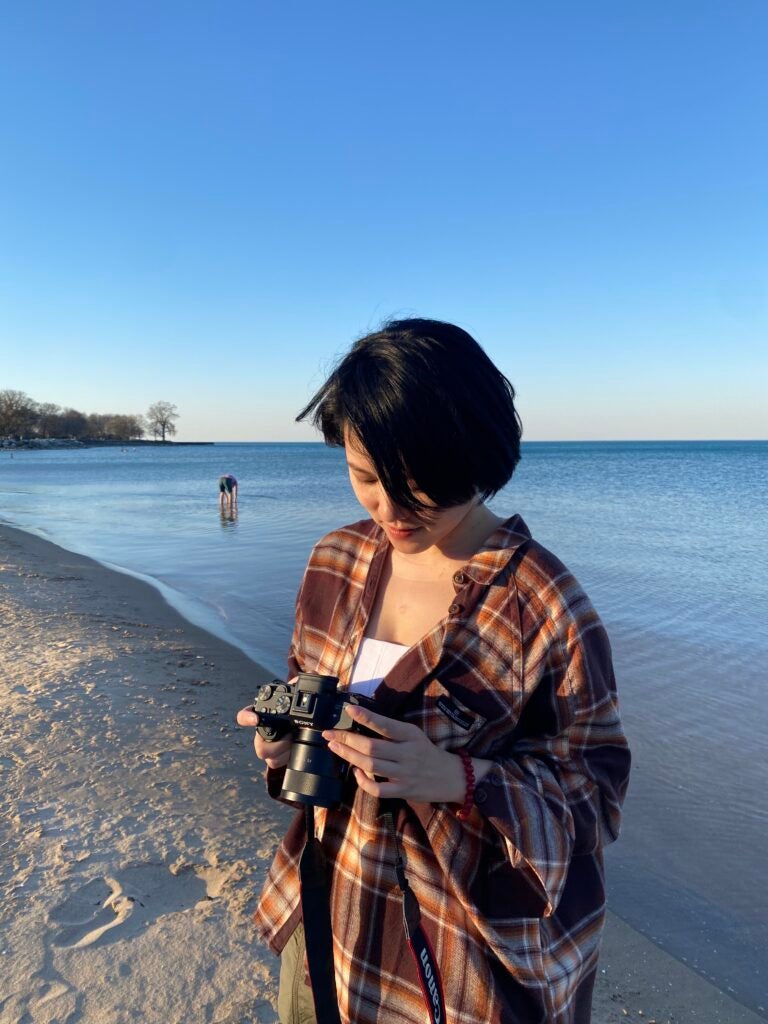
Faye Zhang
Faye is a visual artist and ethnographic filmmaker. Working in video, comics, and animation, her works often circumnavigate themes that arise from and intersect with China’s turbulent periods of social reform, from the founding of the People’s Republic of China in 1949 to the country’s present day COVID-19 policies.
Faye previously earned a degree in Chinese Law and Society at Peking University as a Yenching Scholar (2019-2021). She trained in filmmaking and anthropological research methods at the Granada Center for Visual Anthropology in Manchester, U.K (2018-2019) whilst funded by a Fulbright Student Scholarship. Before that, she worked in Washington, D.C. at two museums: Smithsonian Folkways Recording, the nonprofit record label of the Smithsonian Institution, and the Dumbarton Oaks Research Library and Collection. Her undergraduate degree was completed at Harvard University.
2024-2025 CEMA Filmmaker in Residence
Carla Andrade
Carla Andrade is a visual artist working with photography and audiovisual media. She holds a degree in Audiovisual Communication and an MA in Artist’s Film & Moving Image from Goldsmiths, University of London.
Influenced by her upbringing by the Atlantic Ocean and a fascination with untamed nature, her work combines visual expression with theoretical reflection. She has developed projects and undertaken residencies in Iceland, Nepal, Chile, Sweden, the Central African Republic, Barcelona, and Paris.
Her films and artworks have been presented at venues including the Guggenheim Museum Bilbao, MARCO Vigo, La Casa Encendida (Madrid), Le 104 (Paris), and Lux (London), and screened at festivals such as IFF Rotterdam, Zinebi, Ficunam, Curtas Vila do Conde, and Play-Doc, among many others.
She has received the Panorama Fílmico Award at L’Alternativa Barcelona (2016) and the Best Galician Film Award at Play-Doc (2022), among others, and has been supported by grants and fellowships from Fulbright, Injuve, BilbaoArte, VEGAP, Agadic, ICAA, and Institut Français.
*******
During my time at the Center for Ethnographic Media Arts at the University of Southern California, thanks to a Fulbright grant, I have been working on the editing and assembly of my first feature-length film, The Mountain on My Wall.
Drawing from my personal, artistic, philosophical and emotional experiences, and reflecting on absence and the reconstruction of memory from the time I lived in Nepal and Chile ten years ago, the film seeks to identify, question and propose alternatives to the ways in which we approach otherness and other cultures from a Western gaze, particularly in documentary and ethnographic cinema.
At CEMA, these ideas have been further developed through ongoing dialogue with my fellows, placing the film in conversation with diverse perspectives on documentary and ethnographic practice.
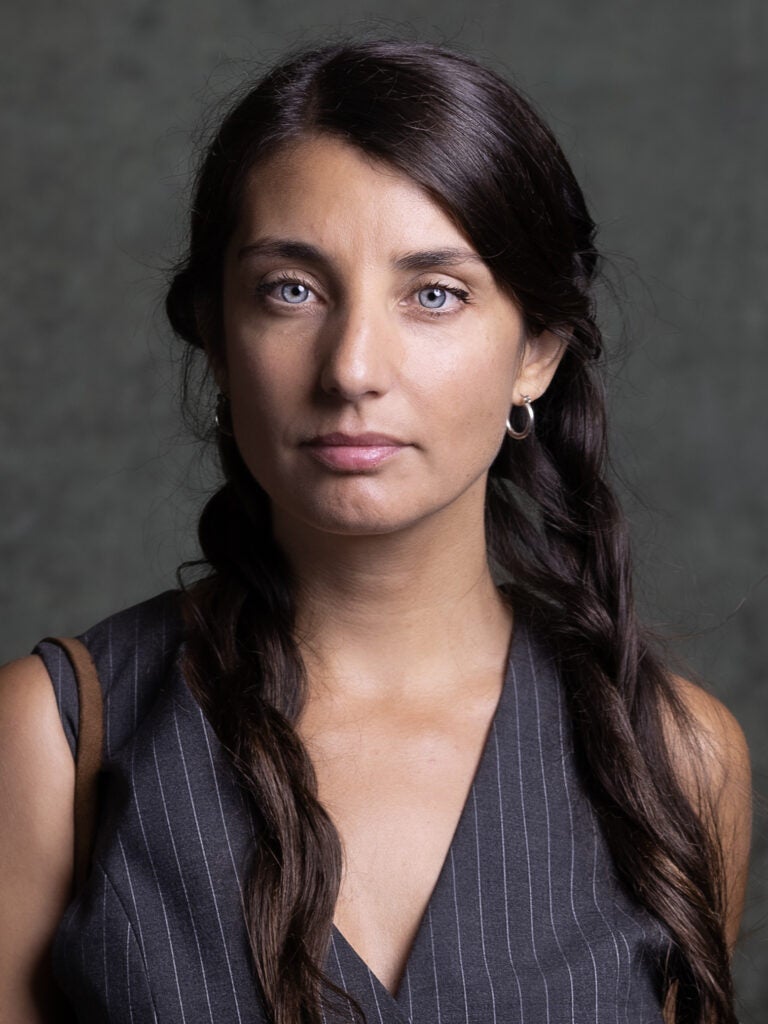
2023-2024 CEMA Fellows
Eva Aguila
Eva Aguila is a Mexican American interdisciplinary artist and organizer. Born in Los Angeles her work currently is centered around oral histories of the Mexican diaspora, specifically her ancestral familial rural Michoacán communities. Aguila works with installation, sound, video, and social practice to examine personal histories and the in-betweenness of the Latinx experience. Using research and personal archives her current work is informed by the materiality of memory. Inspired by ephemerality and Indigenous futurism, she works with time based media to depict stories and alternative histories to reinterpret cultural portrayals and internalized stereotypes. Aguila is also the co-founder and Board President of Coaxial Arts Foundation, an artist-run non-profit organization dedicated to experimental sound, video and performance art.
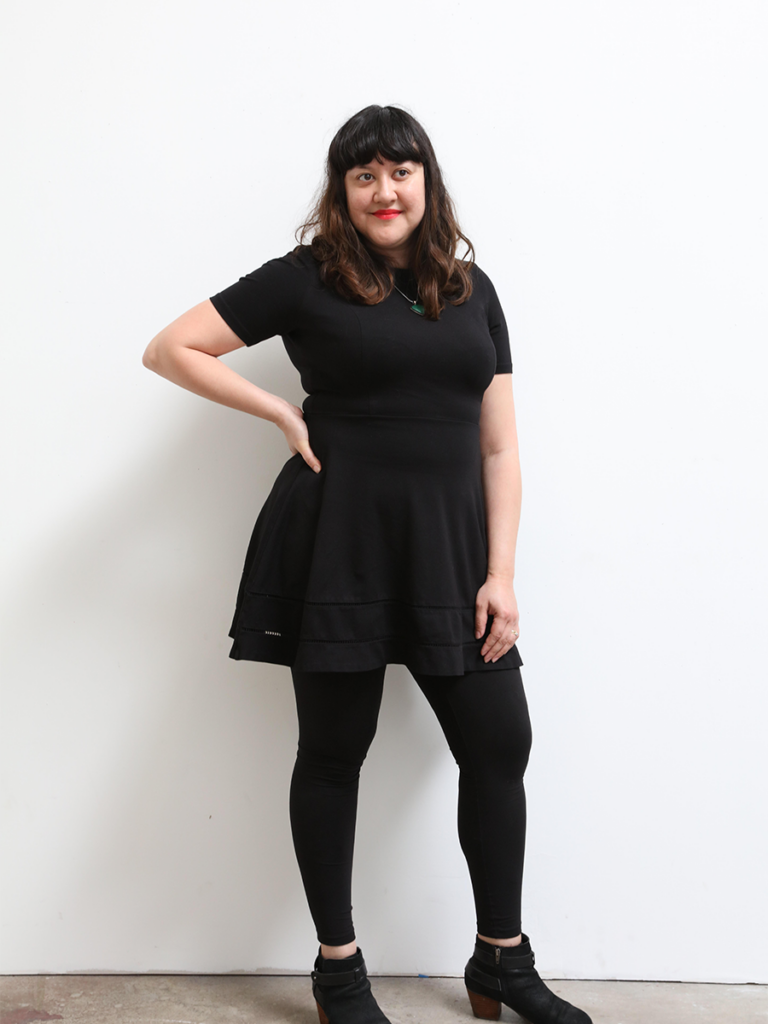
Chantal Eyong
Chantal Eyong is a writer and media producer in Los Angeles, CA. Her work examines memory, erasure, biopolitics, and identity in relation to African diasporas. Her interests are in how community stories and culture are preserved through/with migration and how abstractions can inform a way of knowing. Her work has been featured on PBS and national/international film festivals. The short documentary she co-produced, “Thailand Untapped,” received a regional Emmy nomination in 2013. Her screenplays have received placements in screenwriting competitions, including ScreenCraft and the Atlanta Film Screenplay Competition. Chantal holds an MFA in Screenwriting from the University of California Riverside and is a Ph.D. student in the Media Arts + Practice program at the University of Southern California.
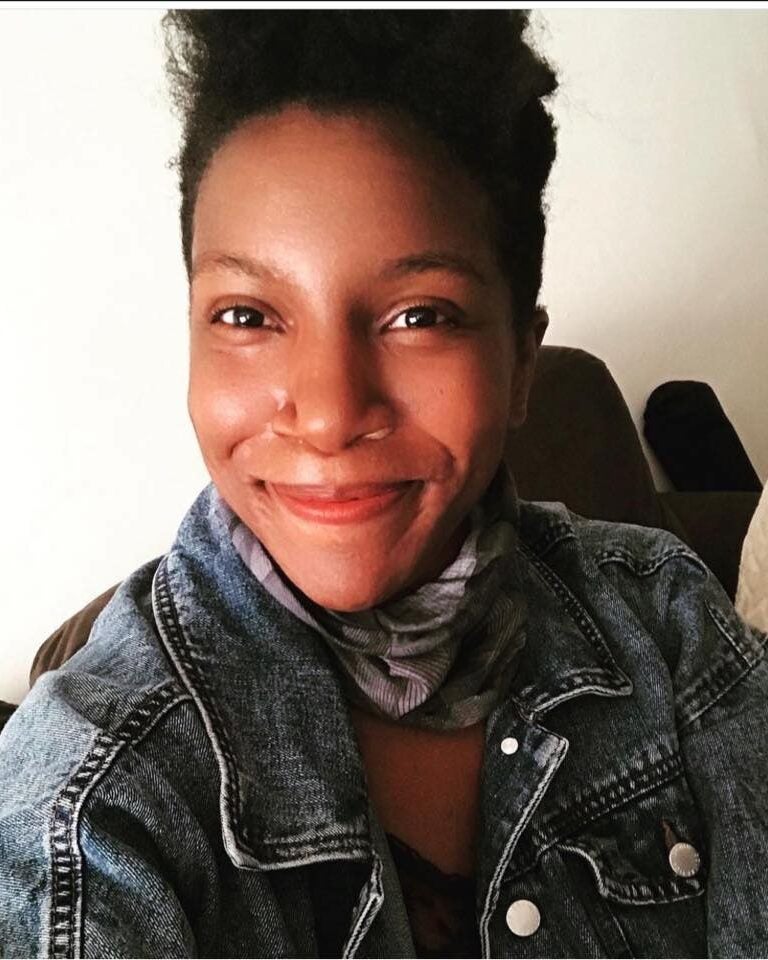
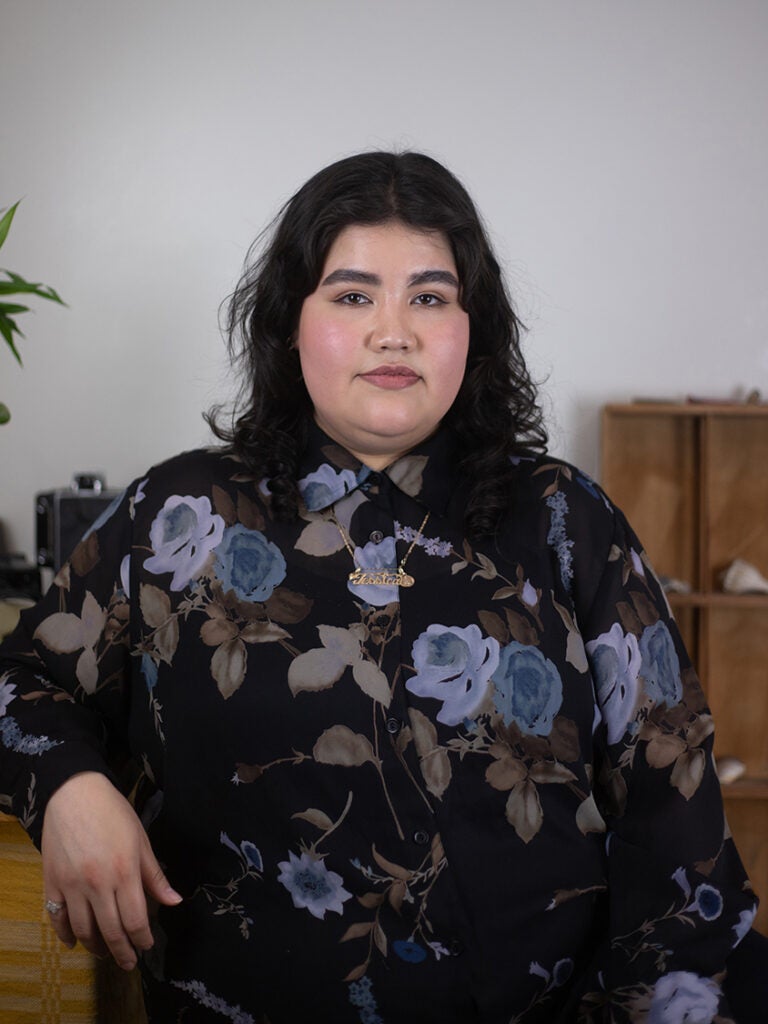
Jessica Carolina González
Brodie Quinn
Brodie Quinn is a researcher of religious nationalist movements. For his MA, he conducted long-term fieldwork with Pro-British Protestant Christian groups in Northern Ireland. This involved attending meetings and parades of the pro-Unionist anti-Catholic groups in the border areas of the country, as well as joining my interlocutors in charged environments as they protested and organized against social issues such as abortion and same-sex marriage. His larger PhD project at USC looks at similar ground, studying secularism and the separation of church and state here in the US.
Grace Simbulan
Grace is a filmmaker and a 2nd year PhD student in the Anthropology department, where her research delves into the complexities surrounding the families affected by the war on drugs in the Philippines. Her work explores trauma, grief, conceptions of justice, and authority in this context.
Her works have been supported and recognized by the AIDC, Tokyo Docs, AFA, and DMZ Docs to name a few. In 2020, she received the Nō Studios Artist Grant in film to support her work in Wisconsin. Her first feature film A IS FOR AGUSTIN (2019), premiered in S. Korea and was shown in China, Italy, France, New Caledonia, Canada, the Philippines, and the US. This film was also featured in CNN Philippines’ Top 10 Filipino Films of 2019.
Curtis James Tamm
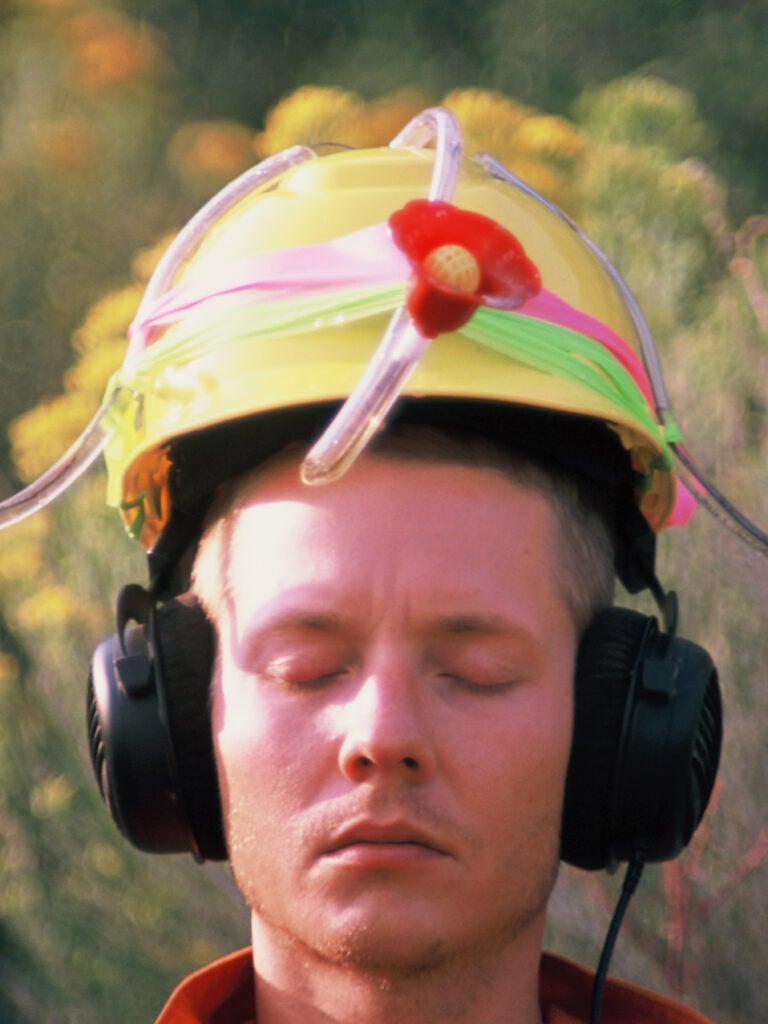
Curtis James Tamm is an artist and researcher exploring the relationship between sound and emergency. In 2017 he was the recipient of LACMA’s Art and Technology Lab grant, and in 2019 he was commissioned by the Mori Art Museum (Tokyo) to create his debut solo-exhibition (MAMproject 26: Curtis Tamm; curated by Kenichi Kondo) inspired by his research into the precognitive ability of other animal species to detect catastrophes days before any sensory can. He is currently pursuing a PhD with the Interdisciplinary Media Arts + Practices department at the University of Southern California.
Tamm has participated as an artist-in-residence with the University of South Carolina, School of Visual Arts and Design (Columbia, SC), Arcus Project (Ibaraki, Japan) Skaftfell Center for Visual Art (Seydisfjordur, Iceland), Bemis Center for Contemporary Art, (Omaha, Nebraska), Titanik Gallery (Turku, Finland), Santozeum (Santorini, Greece), and Soma, (Mexico City, MX).
Faye Zhang
Faye is a visual artist and ethnographic filmmaker. Working in video, comics, and animation, her works often circumnavigate themes that arise from and intersect with China’s turbulent periods of social reform, from the founding of the People’s Republic of China in 1949 to the country’s present day COVID-19 policies.
Faye previously earned a degree in Chinese Law and Society at Peking University as a Yenching Scholar (2019-2021). She trained in filmmaking and anthropological research methods at the Granada Center for Visual Anthropology in Manchester, U.K (2018-2019) whilst funded by a Fulbright Student Scholarship. Before that, she worked in Washington, D.C. at two museums: Smithsonian Folkways Recording, the nonprofit record label of the Smithsonian Institution, and the Dumbarton Oaks Research Library and Collection. Her undergraduate degree was completed at Harvard University.