Lab Members at USC
Associate Professor
Principal Investigator, Cognition and Affect Regulation (CAR) Lab
Department of Psychology
University of Southern California
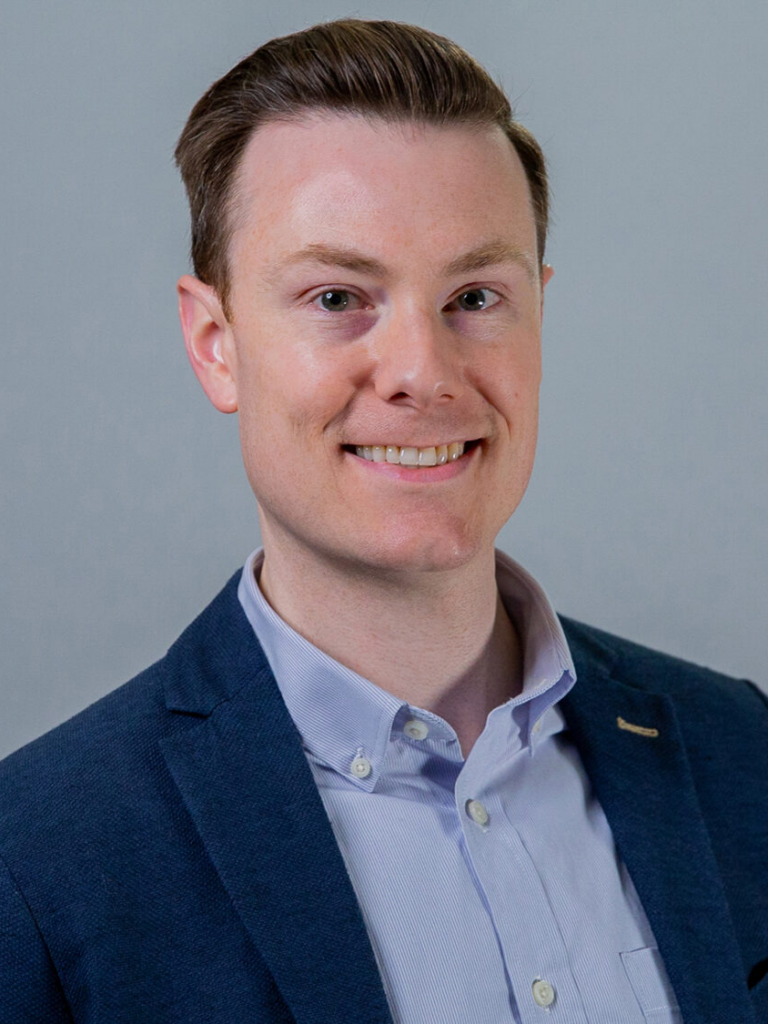
Dr. Stange’s research focuses on identifying mechanisms and outcomes of inflexible cognitive and affective processes in mood disorders. His current work seeks to identify how interactions between cognitive and affective processes underlies maladaptive affect regulation and risk for problems such as depression and suicide. This work involves the use of neuroimaging, autonomic psychophysiology, and experimental, behavioral, and longitudinal methods. Dr. Stange has particularly focused on measuring affect regulation outside of the lab in “real-world” contexts using ambulatory assessment techniques (e.g., wearables to measure autonomic psychophysiology and behavior with ecological momentary assessment). These methods may have greater ecological validity than traditional laboratory-based methods and can elucidate dynamic processes that occur within individuals over time. By improving our understanding of how risk factors vary between individuals, and within individuals across contexts, Dr. Stange’s goal is to inform real-time, person-centered metrics for detecting moments of risk and for intervening to reduce risk and improve affect regulation.
Jiani (Janet) Li
Graduate Student
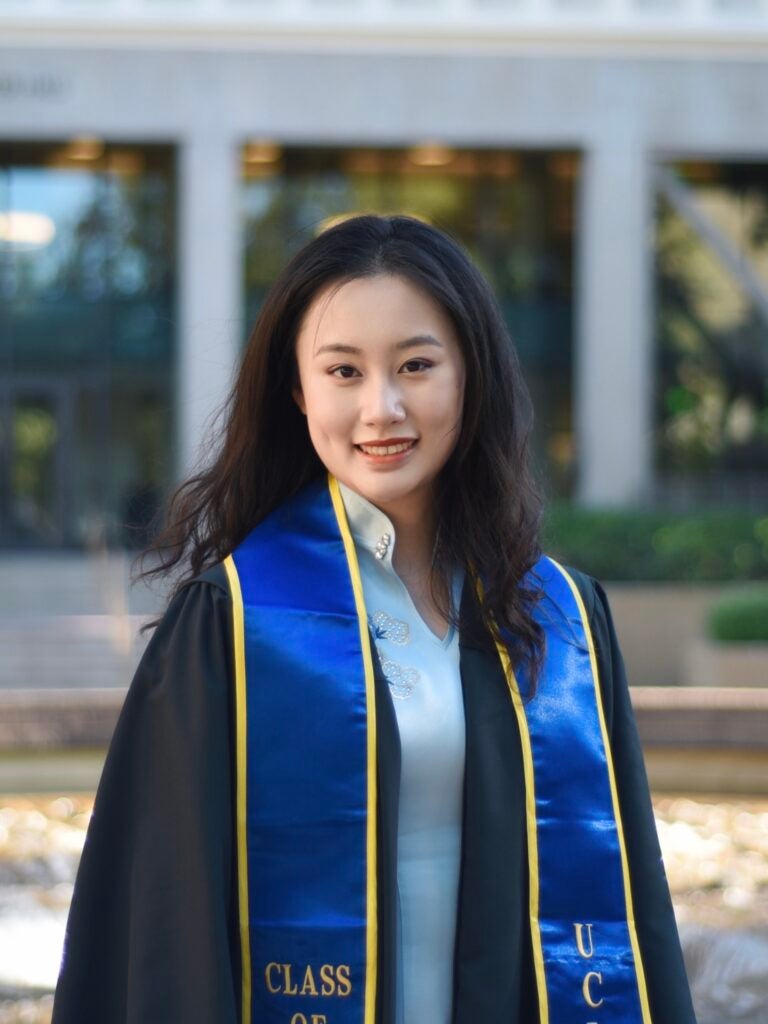
All of us experience negative emotions at some point in our life, yet some of us seem to cope with them better. How so, and why? Furthermore, how do such individual differences manifest through various channels of emotion — physiological, neural, behavioral, experiential, and expressive? Finally, can we tailor the type and timing of treatments to one’s idiosyncrasies in emotion regulation? In the CAR Lab, Jiani (Janet) is excited to tackle these questions by examining emotion regulation in naturalistic settings at multiple levels of analysis. In doing so, she hopes to parse individual variations in how we experience and respond to negative emotions — processes strongly tied to symptoms of mood disorders — and to inform individualized treatments accordingly.
Sarah Zapetis
Graduate Student
Sarah is a fourth-year graduate student in the CAR lab interested in examining the biobehavioral mechanisms of cognitive inflexibility and maladaptive affect regulation in mood disorders. She is eager to integrate neuroimaging methods with ambulatory autonomic psychophysiology and ecological momentary assessment techniques to investigate how inflexible cognitive and biological processes contribute to affective dysregulation and the development and persistence of mood disorders.
Sean Minns
Graduate Student
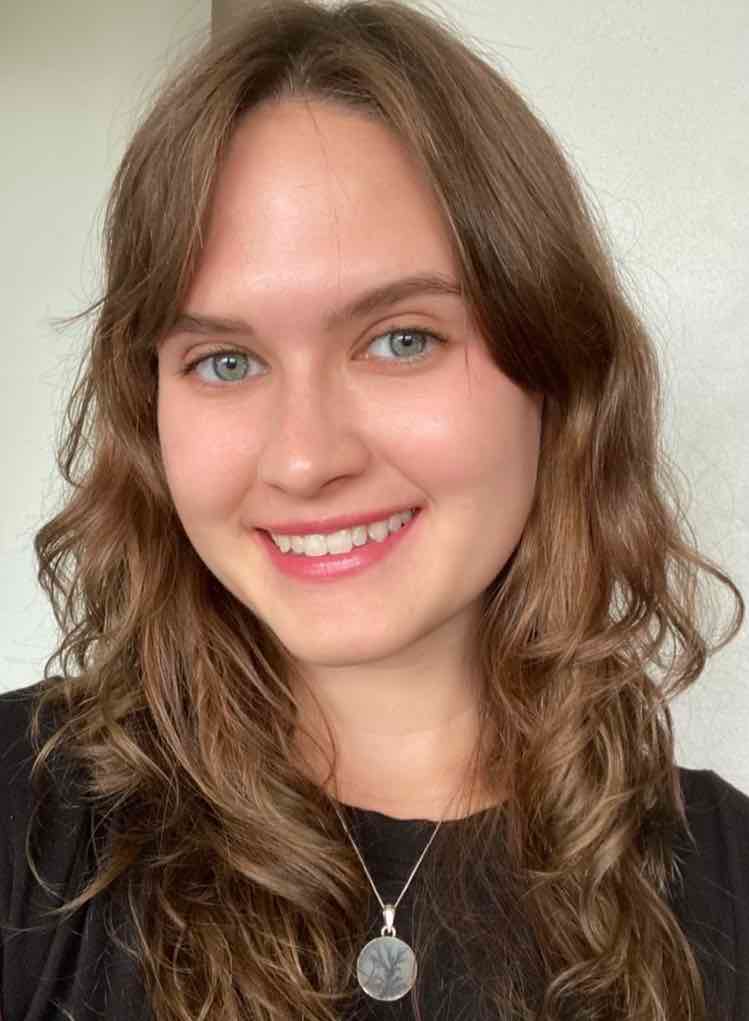
Resilience is often thought of as a trait that is woven into our biology. But what if our emotion regulation and problem-solving capacity are more fluid? As a third-year student at the CAR lab, Sean is excited to investigate how fluctuations in cognitive resources shape the emotion regulation strategies people can access at the moment and how the environment, in turn, influences cognitive function. He’s eager to examine how factors like noise, pollution, and weather shape the brain’s ability to engage in effortful regulation. Rather than relying on static idiographic approaches, he is interested in methods that adapt to the moment, environment, and broader context—reconceptualizing disorders as complex patterns that can be interrupted through adaptive interventions. Sean is assisting on a project combining fMRI, smartphone-based phenotyping, and ambulatory physiology to explore dynamic cognitive affective trajectories. Hobbies: ranking LA’s tacos (1st place Villa’s Tacos).

Margarid Turnamian
Graduate Student
Margarid (she/her) is a second-year graduate student interested in understanding how emotional dysregulation may lead to more persistent depression by evaluating the relationship between daily fluctuations in depressive symptoms, physiological arousal and emotional regulation processes. She is particularly eager to utilize ecologically valid assessments to investigate these relationships. Margarid is also passionate about working with marginalized communities and hopes her work can provide insight into existing mental health disparities and influence positive change in local communities.
Srinidhi Jayakumar
Graduate Student
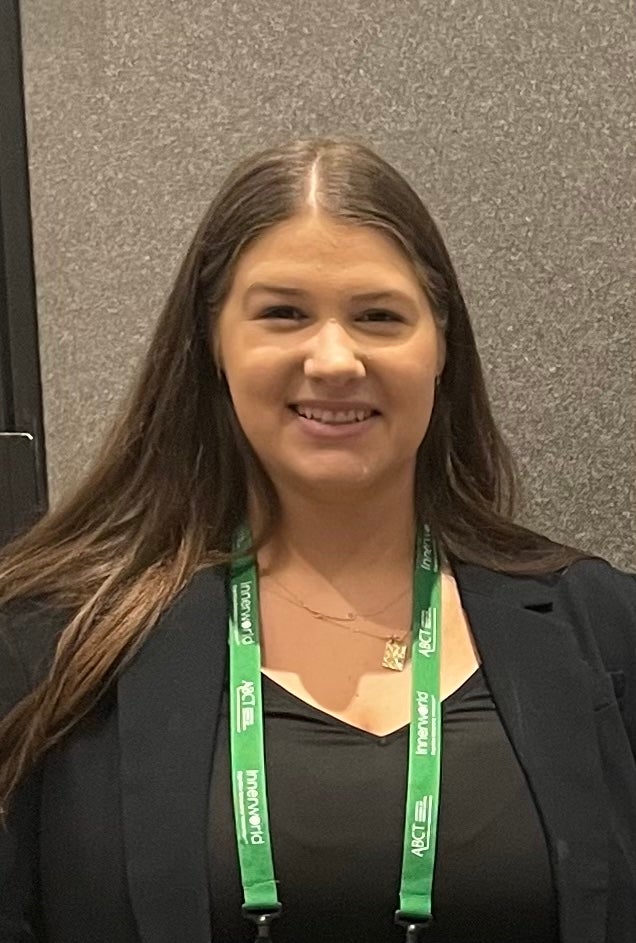
Srinidhi is a first-year student in the CAR lab, interested in identifying predictors—particularly neurobiological predictors—of the onset and trajectory of depression in young adults, with a focus on the interaction between cognitive and emotion regulation processes. She is interested in examining whether changes in functional connectivity within and between neural circuits involved in cognitive (e.g., rumination, reward processing) and emotional (e.g., emotion regulation, anhedonia) functions can predict depression symptomatology and progression at both within- and between-subject levels. By integrating ecological momentary assessment with fMRI, she seeks to understand how neural connectivity influences and is influenced by everyday cognition and emotion regulation, and how these interactions contribute to depression onset and maintenance. Ultimately, she aims to uncover dynamic brain–behavior mechanisms underlying depression, with the goal of informing personalized prevention interventions.

Mengzhe Wei
Graduate Student
Mengzhe is a first-year graduate student interested in motivational deficits and emotion dysregulation in depression across lifespan. Her research focuses on between- and within-person variability in neural activity during emotion regulation, and how these patterns relate to real-world regulation success. She aims to incorporate a multimodal approach (fMRI, cognitive-behavioral tasks, & EMA) to capture these dynamics. She also hopes to examine how effort, reward, and uncertainty evaluations shape goal-directed behaviors in mood disorders. Outside the lab, Mengzhe enjoys ice skating and painting (and she’s slowly getting into pickleball).

Archita Tharanipathy
Research Coordinator
Archita is a Research Coordinator at the Cognition and Affect Regulation Lab, overseeing the RAPID and PARC studies. She earned her B.S. in Biochemistry and Molecular Biology with a minor in Applied Psychology from UCSB in 2022. Archita’s research interests lie in exploring human cognition, emotion, and social interactions through a neuroscience lens. She plans to further investigate these areas by pursuing a Ph.D. in Psychology or Cognitive Neuroscience in the upcoming years.
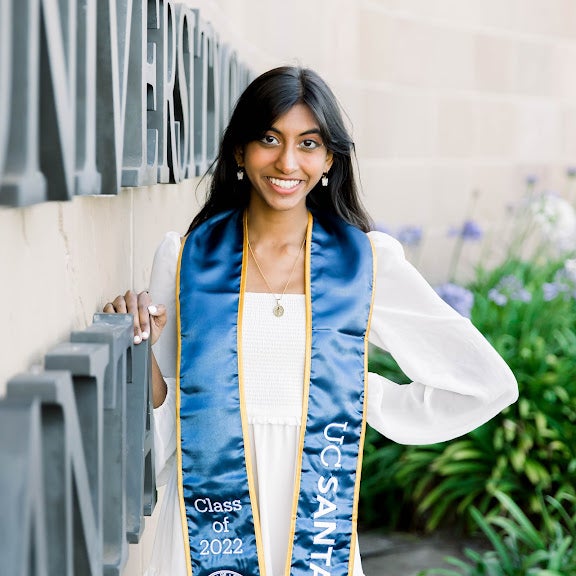
Claudia Morris
Research Coordinator

Olivia Pavento
Undergraduate Research Assistant
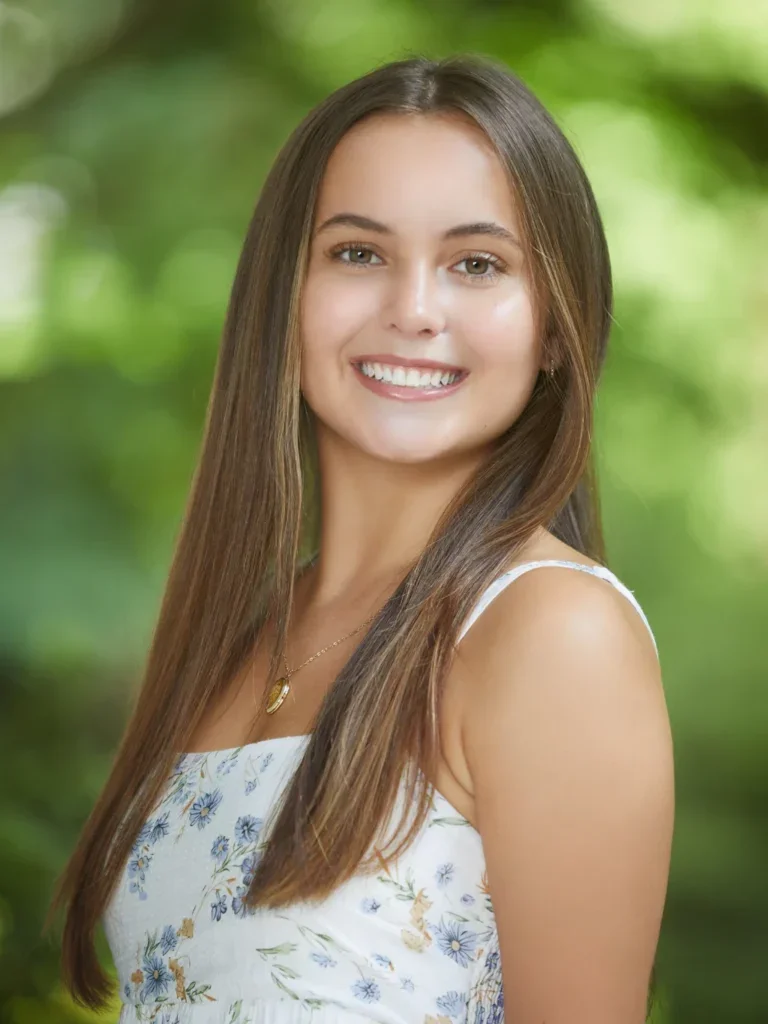
Rushmia Hossain
Undergraduate Research Assistant

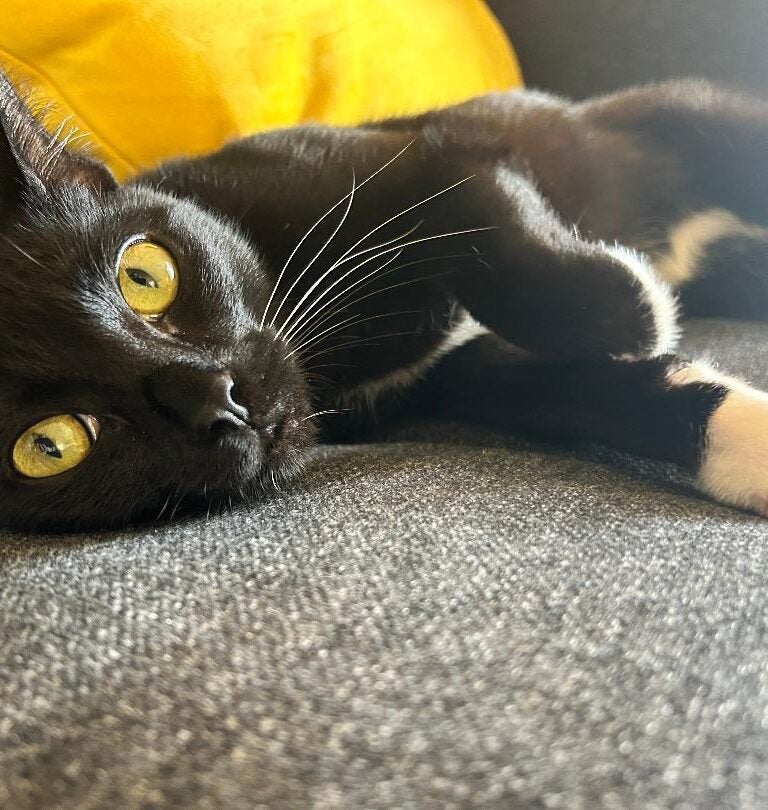
Olive
Director of Work-Life Balance
Lab Alumni
Desiree Webb
Research Coordinator
Desiree Webb joined the CAR Lab as a Research Coordinator in July 2024. She earned her B.A. in Psychology and Economics from Barnard College in 2022. Following graduation, she worked as a clinical research coordinator at Mount Sinai’s Eating and Weight Disorders Program, where she became aware of the high comorbidity among internalizing disorders and grew interested in the processes that might underlie them. At the CAR Lab, Desiree coordinated the RAPID, PARCS, and CAR studies. Her research interests center on mechanisms that contribute to the maintenance of internalizing psychopathology, particularly maladaptive emotion regulation strategies such as rumination. She is also interested in integrating physiological measures to enhance assessments of psychological processes. She is currently pursuing a Ph.D. in Clinical Psychology at Teacher’s College, Columbia University to further investigate transdiagnostic mechanisms and inform the development of targeted, evidence-based treatments.

Ellie Xu
Graduate Student
Ellie Xu was a Ph.D. student in the CAR Lab from 2021-2026. Ellie received her Bachelor’s in Psychology and Economics from the University of Chicago, and then completed a post-baccalaureate fellowship at the National Institute of Mental Health where she studied mechanisms of pediatric irritability. In the CAR Lab, Ellie was interested in determining mechanisms contributing to risk for depression, to inform precise treatment targets for intervention. Ellie is particularly interested in investigating how difficulties with emotion regulation play a role in depression, with a focus on emotion regulation flexibility.
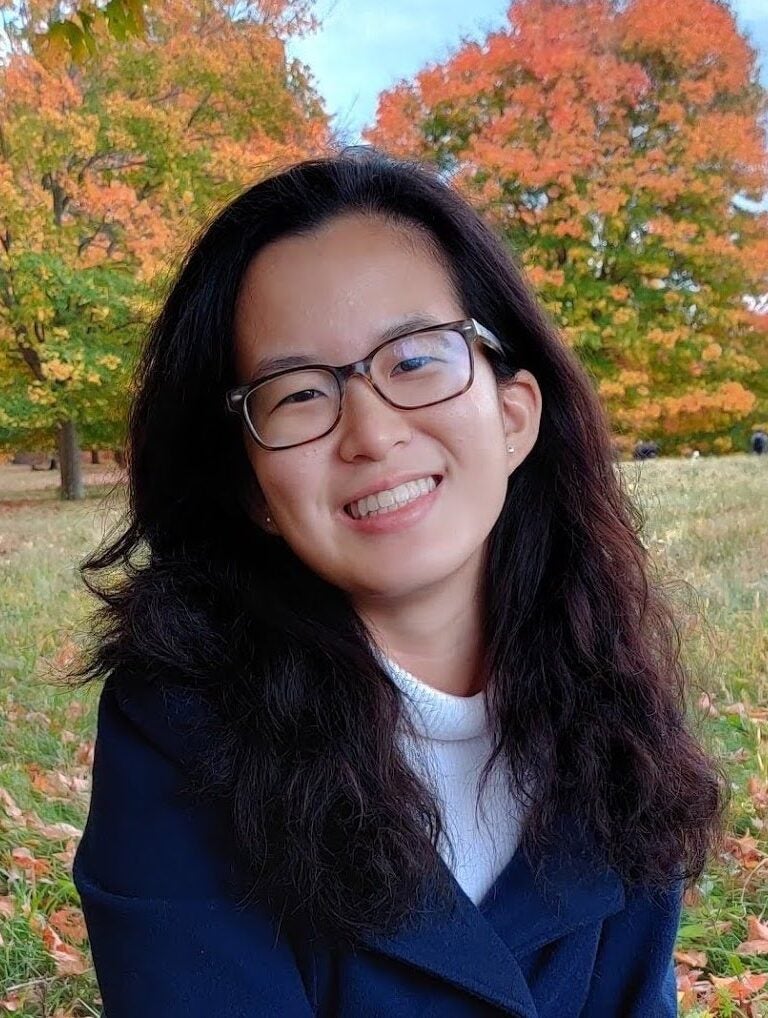
Christine A. Leonards, Ph.D.
Postdoctoral Scholar
Christine joined the CAR Lab as a postdoctoral scholar in January 2025, after completing her Ph.D. at the University of Melbourne, Australia. Her doctoral thesis examined alterations in default mode network activity during task performance in individuals with depression. Her research interest sits at the intersection of psychology, psychiatry, and neuroscience, with a focus on the neural and psychological mechanisms underlying emotion regulation, cognitive flexibility, and depression. Christine used task-based fMRI alongside physiological and trait-level psychological measures to investigate how individual differences shape affective and cognitive processes. Her broader goal is to leverage multimodal methods to develop a more holistic understanding of these fundamental processes and ultimately inform more targeted, effective treatments for mood disorders.

Vishaala Wilkinson
Undergraduate Research Assistant

Emily Givens
Data Analyst
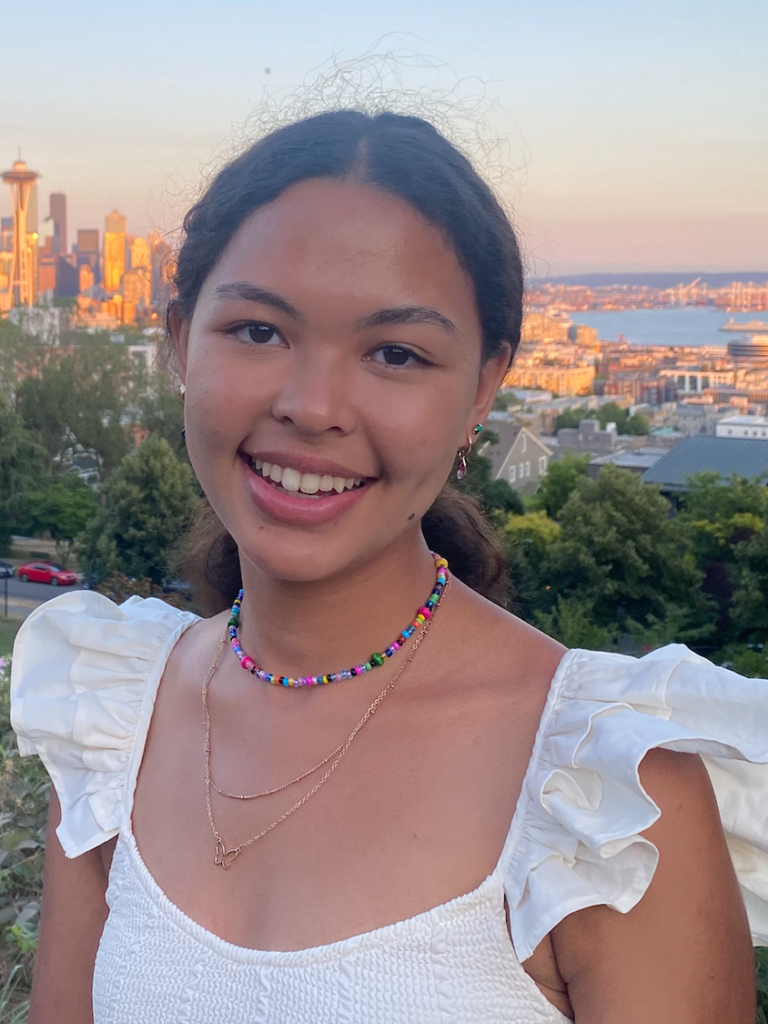
Anita Tao
Undergraduate Research Assistant

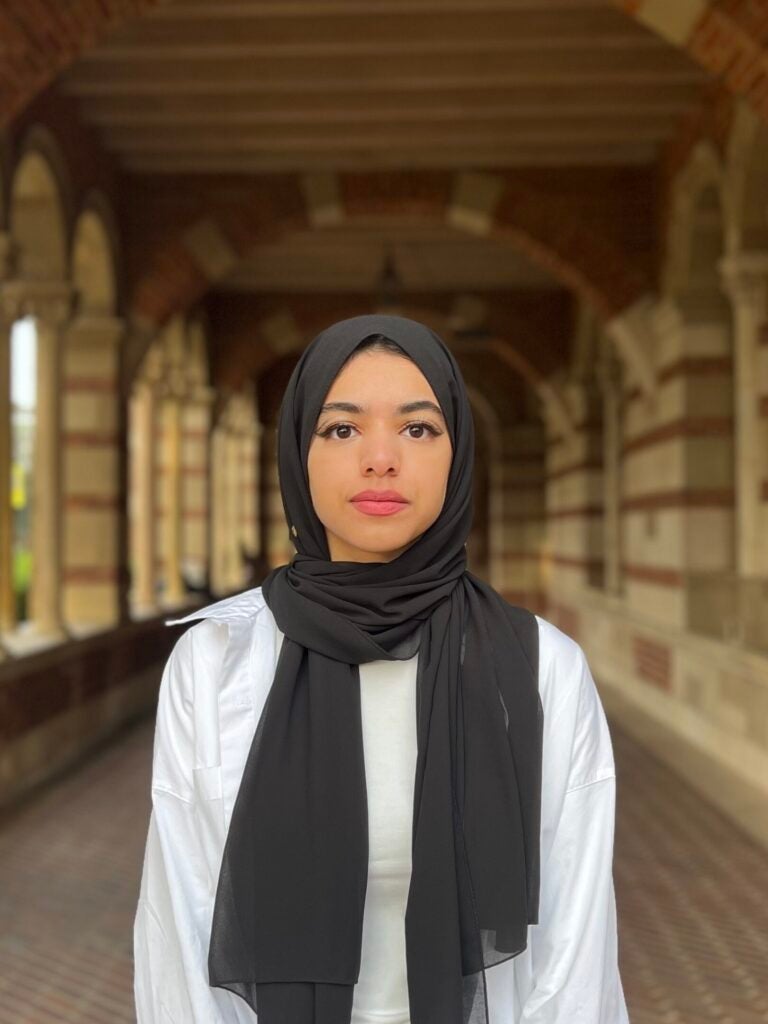
Umiemah Farrukh
Research Coordinator
Aditi Mehta
Honors Student
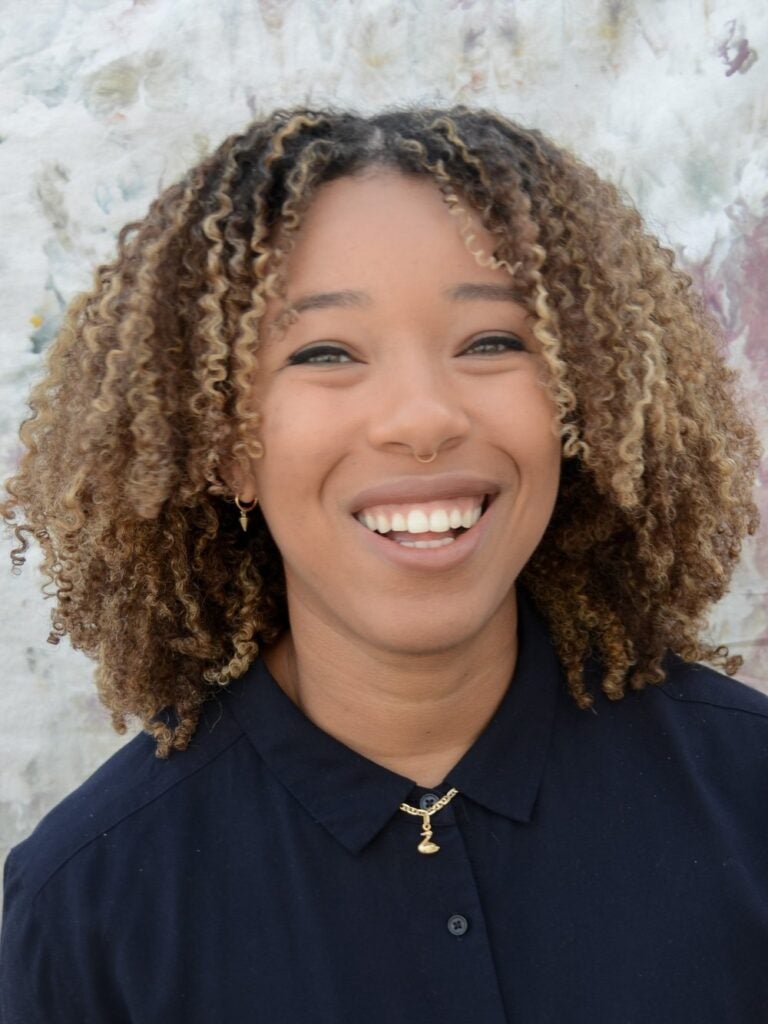
Coralie Phanord
Research Coordinator
Yasmin Pina
L@S GANAS Undergraduate Research Fellow
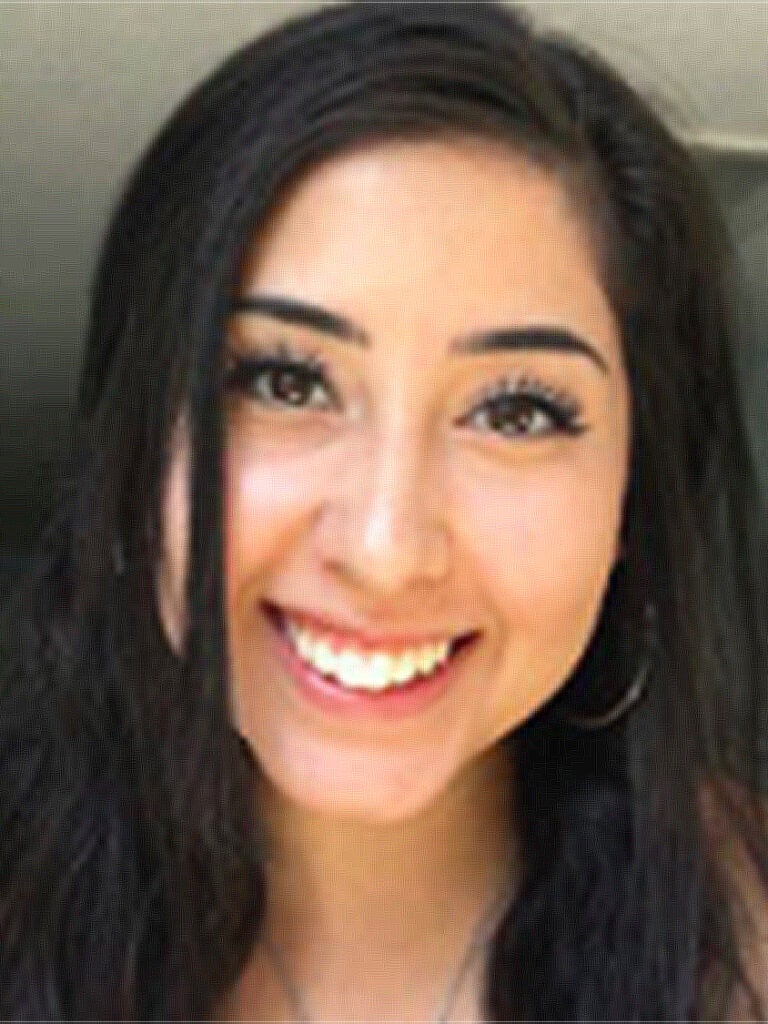
Stephanie Pocius
Research Coordinator
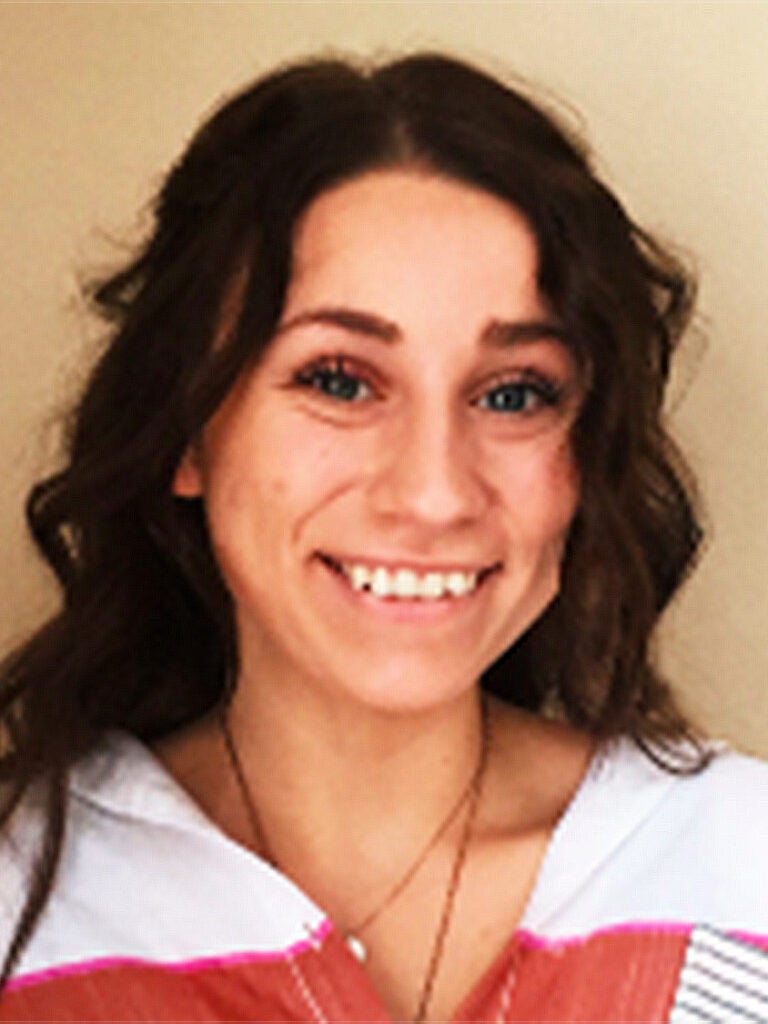
Jada Roberts
Honors Student
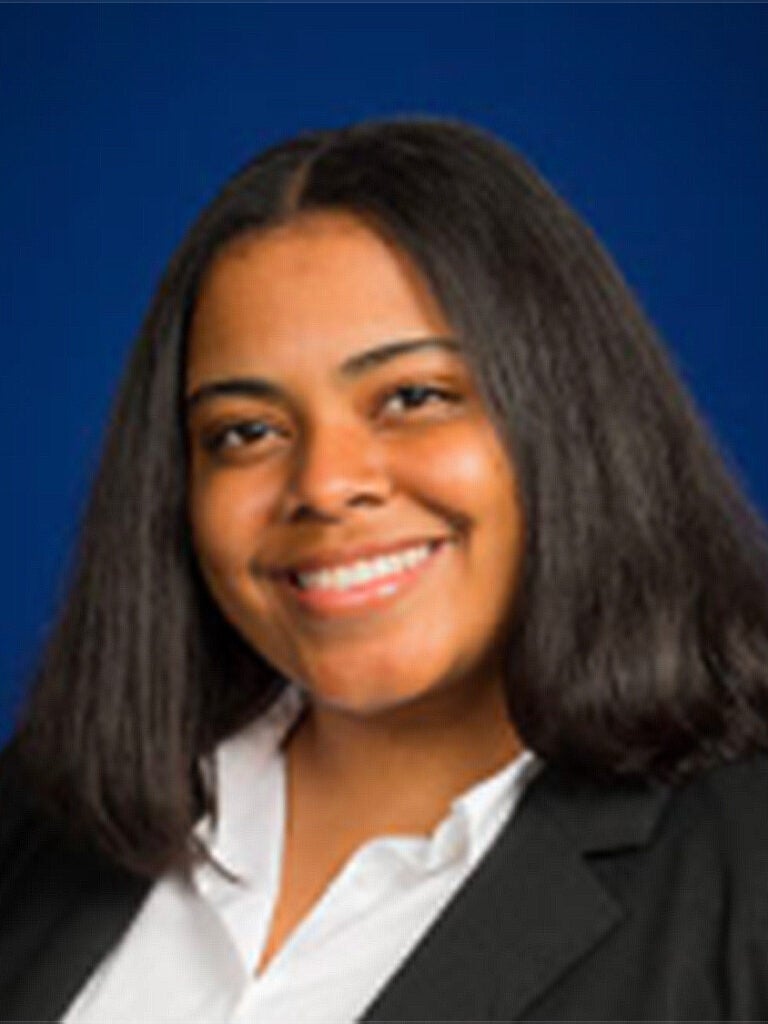
Robbie Shepard
Research Coordinator
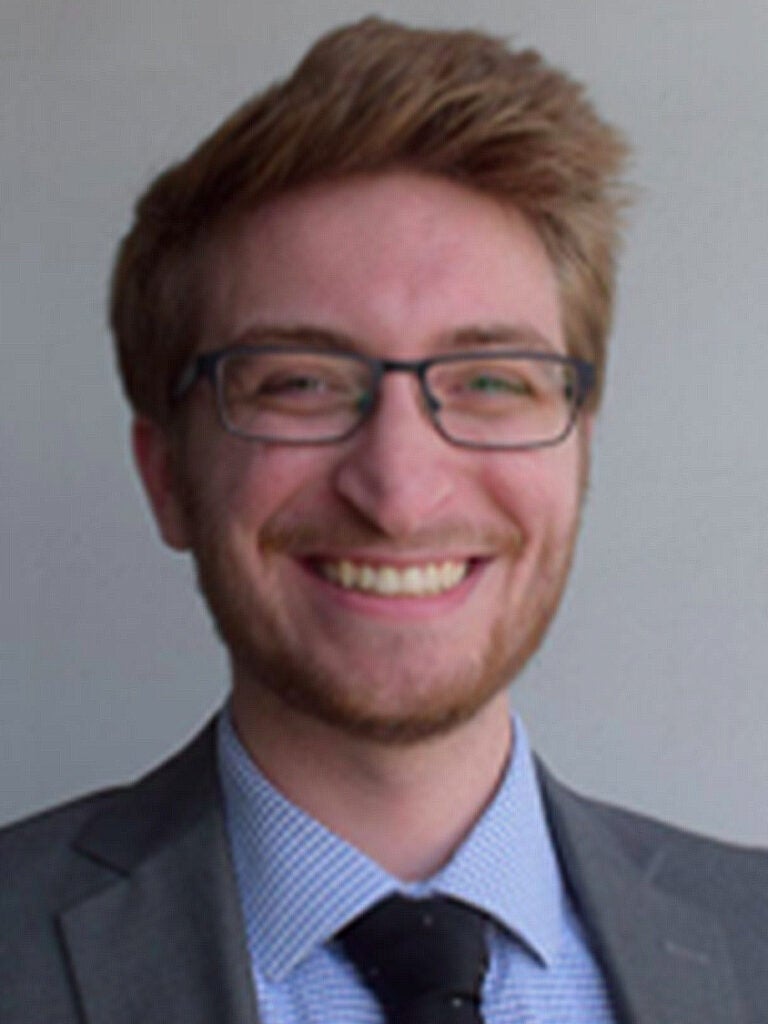
Pearl Ye
Research Coordinator

Pia Sellery
Lab Manager
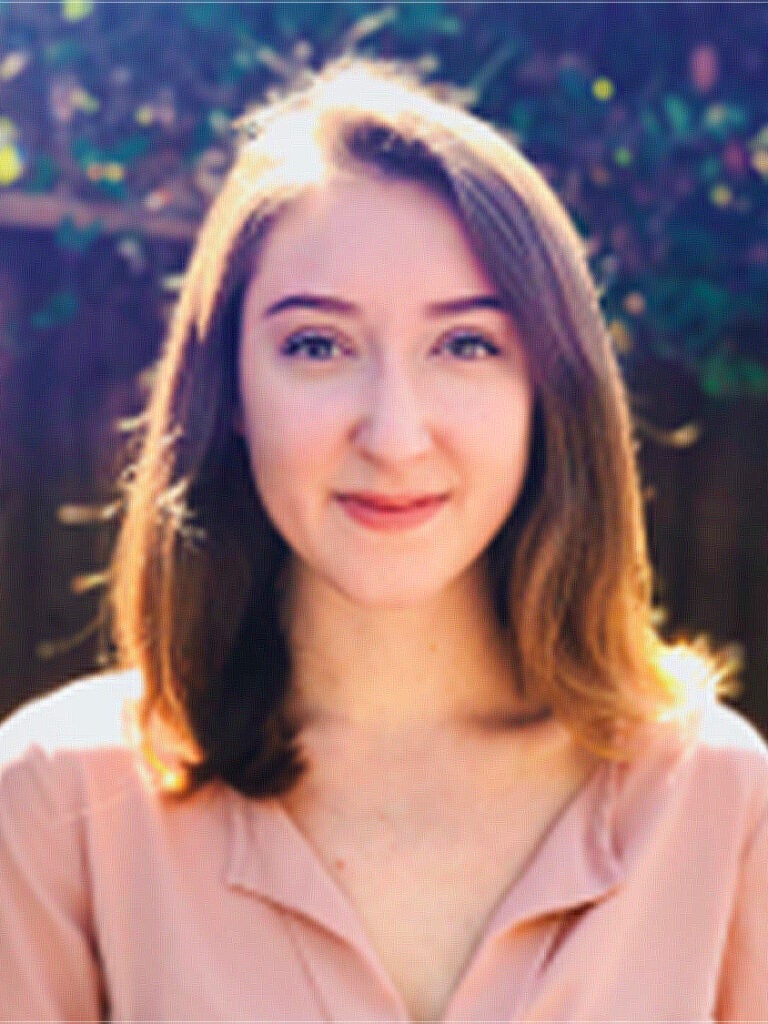
Jenny Wu
Study Coordinator
Catherine Tang
Undergraduate Research Assistant
Tailai Shen
Undergraduate Research Assistant
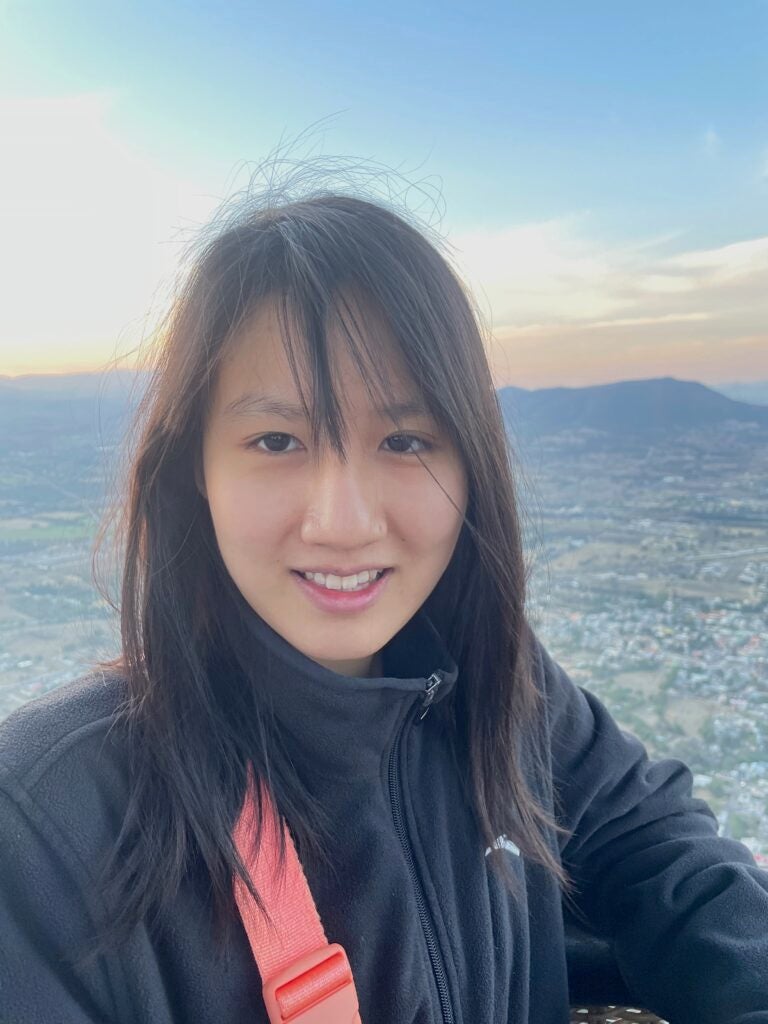
Little
Productivity Assistant
External Collaborators
Olu Ajilore, M.D., Ph.D. (University of Illinois at Chicago)
Runa Bhaumik, Ph.D. (University of Illinois at Chicago)
Taylor Burke, Ph.D. (Massachusetts General Hospital)
Katie Burkhouse, Ph.D. (Penn State University)
Tory Eisenlohr-Moul, Ph.D. (University of Illinois at Chicago)
Erika Forbes, Ph.D. (University of Pittsburgh)
David Fresco, Ph.D. (University of Michigan)
Jessica Hamilton, Ph.D. (Rutgers University)
Lisanne Jenkins, Ph.D. (Northwestern University)
Heide Klumpp, Ph.D. (University of Illinois at Chicago)
Scott Langenecker, Ph.D. (Ohio State University)
Alex Leow, M.D., Ph.D. (University of Illinois at Chicago)
Robin Mermelstein, Ph.D. (University of Illinois at Chicago)
David Miklowitz, Ph.D. (UCLA)
Tim Trull, Ph.D. (University of Missouri)
Seeley G. Mudd Building
3620 McClintock Ave
Los Angeles, CA 90089