Scholars Shaping Politics and International Relations
Undergraduate
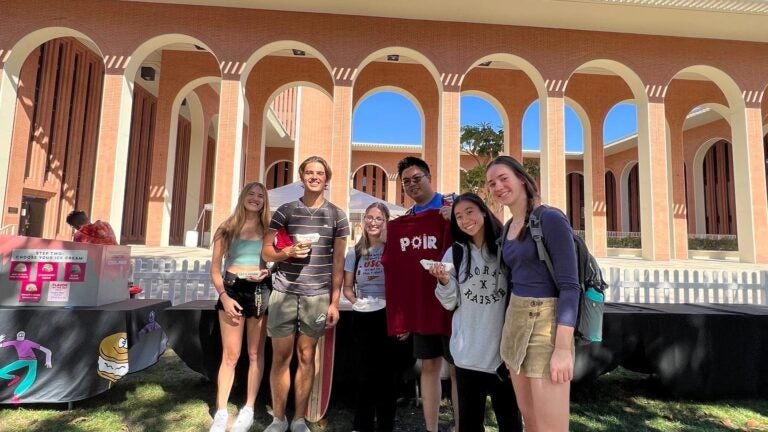
Department of Political Science and International Relations provides a robust undergraduate program that equips students with the knowledge and skills needed for dynamic careers in politics and public policy. With a range of minors available, including Human Rights and Global Economy, you can customize your academic journey to match your unique passions and aspirations, fostering a well-rounded and specialized educational experience in this prestigious institution.
Graduate
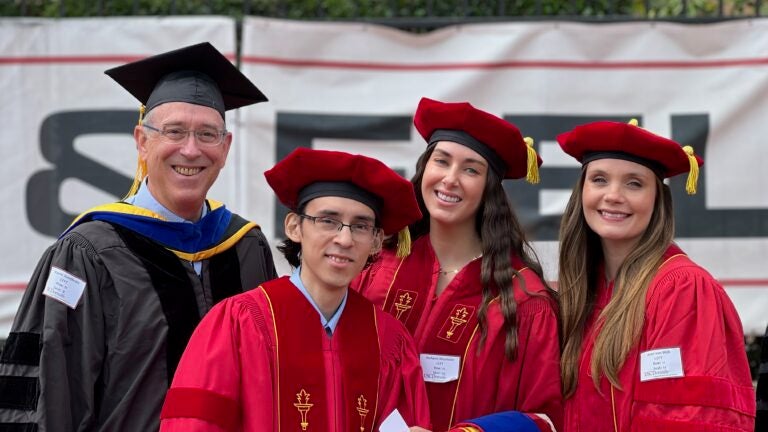
Department of Political Science and International Relations provides graduate and doctoral students with an academically rigorous program. This curriculum focuses on the core principles of political science and international relations, ensuring that graduates acquire essential skills and cutting-edge knowledge to not only advance their careers but also make meaningful contributions to their respective fields.
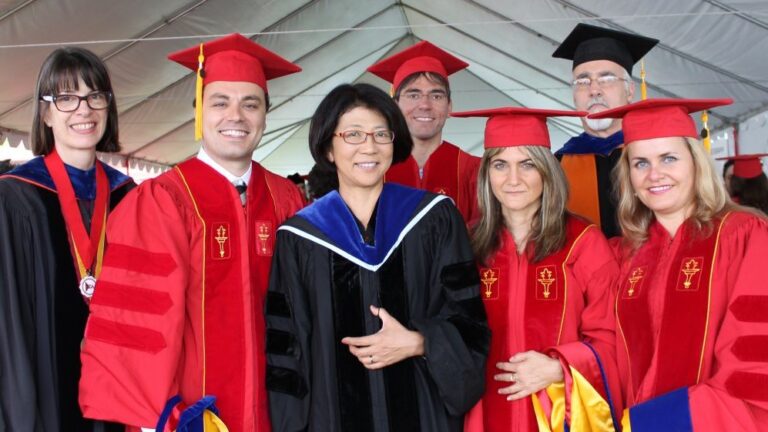
Faculty
Our faculty who focus on international relations provide an interdisciplinary and theoretically-informed analysis of global issues and contemporary security, political, and economic developments worldwide. The faculty who specialize in political science have outstanding expertise in the study of American national and local politics, public law, comparative political institutions, public opinion, political parties, racial and ethnic politics, political participation, as well as experimental methods and causality.
Asking Questions
At POIR, the research efforts of our faculty, graduate students, and undergraduate students are consistently dedicated to probing and exploring the fundamental aspects of political issues. They engage in rigorous inquiry to unearth the core dimensions of these matters, contributing to a deeper understanding of the political landscape.
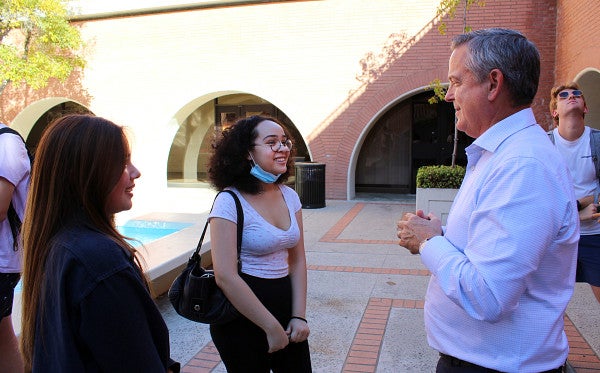
Help Push Boundaries
With the generous support of donors and dedicated alumni, USC’s Department of Political Science and International Relations (POIR) is poised to invest in solutions for the impending challenges facing our society. These investments not only facilitate the development of inquisitive minds but also provide the knowledge and skills needed to actively shape the future of global politics, international relations, and intelligence. This collaborative network of support ensures that we are not only focused on addressing the pressing issues of tomorrow but also on nurturing the intellectual growth essential for visionary leadership in the realm of political science and international relations.
Contact Details
Visit Us
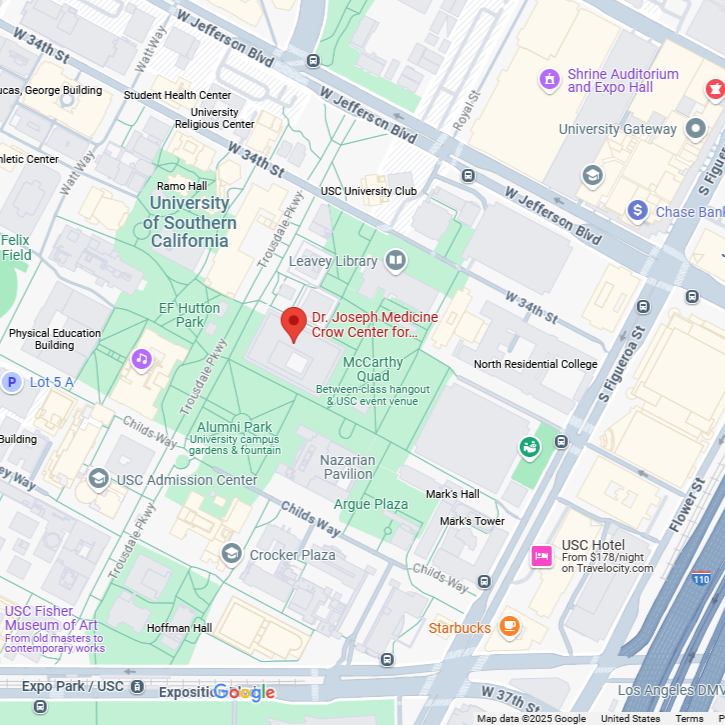
Dr. Joseph Medicine Crow Center for International and Public Affairs
3518 Trousdale Parkway
Los Angeles, CA 90089