
Why is Project Med Important?
“America is a rapidly diversifying nation. According to U.S. Census estimates, no single ethnic or racial group will represent a majority of the U.S. population by 2055. This demographic shift is creating a diverse patient population with unique care needs and challenges for healthcare professionals and leaders” (Michigan State University 2024).
As America itself diversifies, so should the people who treat our population. Though, with increasing application fees, cost of attending college, and even simply costs of living, medical school seems to become a game for only the rich. Our hopes are that Project Med will lessen some of the financial burden and understanding gap, especially for those of under-represented backgrounds, in order to help diversify the medical field in times to come. Fight on!
Bridging the Gap in Medicine
Project Med hopes to lead pre-medical students to success by acting as a comprehensive guide for all questions regarding the pathway to medical school and, in the process, bridge the gap for under-represented groups in medicine. Whether it is the MCAT, setting up a course plan, or deciding on extracurriculars, we hope this project eases the load and confusion that is the process to medical school.
-Sincerely, Faiz & George


What it means to be a doctor
“As a first-generation African-American male of Caribbean descent who is underrepresented in the medical field, I see medicine as an avenue for me to use my physical and mental tools to continue to give back to minority communities that surround me, combat the ever-prevalent force of health care disparities, increase minority representation and advance the field of medicine as a whole.”
Quick links: Explore Project Med
Lost in the process? Feel free to utilize our abundance of resources!

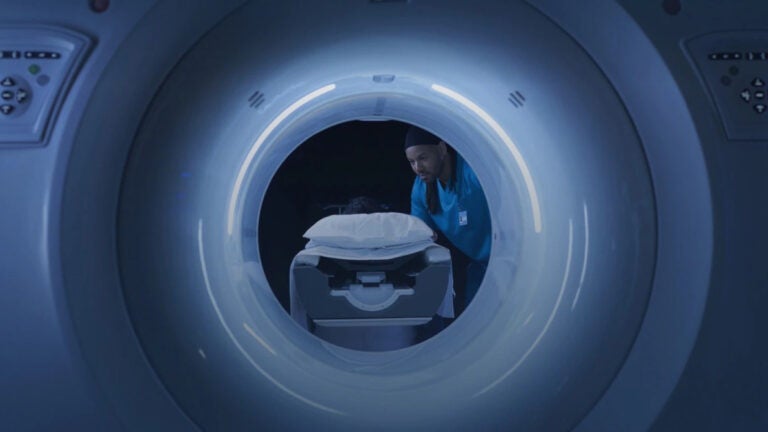
What Does the Pre-Med Path Entail?
Obtaining research, leading a project, volunteering, paying for the MCAT…. the path to medical school is an extremely strenuous journey and in all measures is crafted as a business, putting privileged students in a better place to succeed. Visit this page to step into the shoes of top medical students around the United States and understand what guided them in their journey to medical school.

The Team
Dr. Rita Barakat
Dr. Barakat is a biological sciences professor at USC and serves as the faculty advisor for this project.
rbarakat@usc.edu
Zoe Rofman
Zoe is a undergraduate student at USC, majoring in neuroscience on the pre-med track.
zrofman@usc.edu
Anica Bush
Anica is an undergraduate student at USC majoring in biotechnology (biological sciences) on the pre-med track.
ajbush@usc.edu
David Flores
David is an undergraduate student at USC studying human biology on the pre-med track.
dfloresm@usc.edu
Special Thanks
Check out all of the students, professors, medical students, and medical school board members that advised us on our journey
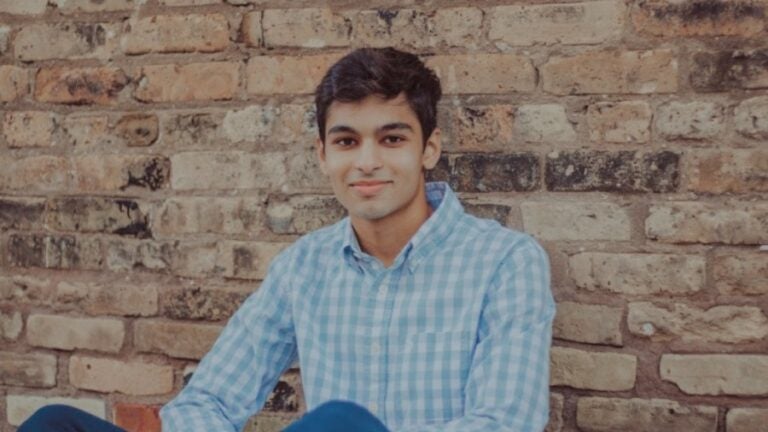
Faiz Amed
Faiz was one of Project Med’s co-founders. At USC he studied Neuroscience and Economics but leaned away from enterning the medical field and now works in investment banking (IB)

Jorge (George) Gonzalez
Jorge was one of Project Med’s co-founders. At USC, he studied Human Biology and is now pursuing further education at medical school.