Science and Technology
USC Dornsife has given four longstanding fields clearer academic identities, increasing their visibility in research and graduate education.

USC Dornsife has given four longstanding fields clearer academic identities, increasing their visibility in research and graduate education.
Open to all undergraduates, USC Dornsife’s new Intensives offer a way to build focused expertise in areas that matter now — with a credential that appears on a diploma and transcript.
New USC Dornsife research reveals how tiny sea-faring microbes compete for nutrients and help regulate the planet’s climate.
Using highly advanced, large-scale computational screening methods developed by USC Dornsife’s Vsevolod “Seva” Katritch, USC researchers evaluate billions of potential compounds to find a promising new drug for Azlheimer’s disease.
With near-atomic precision, a USC Dornsife team of scientists visualized for the first time how opioids and the antidote Narcan engage a key brain receptor, offering insight that could lead to improved pain treatments and overdose reversal.
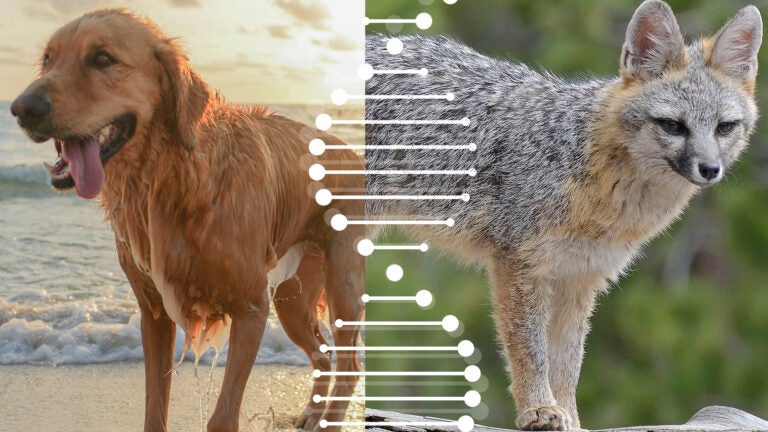
Most species still lack their own sequenced genome. New research led by USC Dornsife shows that when studies rely on similar but different species, findings from genetic data can be distorted by up to 60% — putting vulnerable species at greater risk.
The USC Dornsife professor’s groundbreaking approach to quantum computing has earned recognition in the Airbus-BMW Quantum Computing Challenge.
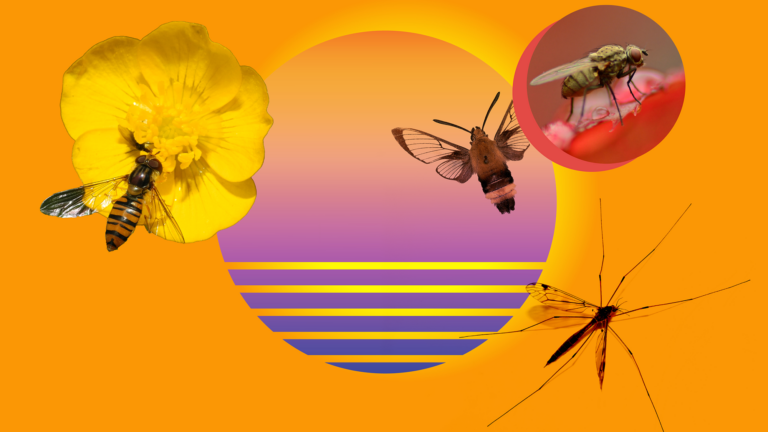
USC Dornsife researchers add solid evidence that declines in wild bee numbers stem largely from pesticide use and recommend using more sustainable pest management methods.
Researchers uncover factors in urban areas that affect diversity among insects and spiders — and turn up dozens of previously unknown species, to boot.
USC Dornsife researchers employ artificial intelligence to unveil the intricate world of DNA structure and chemistry, enabling unprecedented insights into gene regulation and disease.