Welcome
Established in 1972, the USC Joint Educational Project (a.k.a. “J-E-P”) is one of the oldest and largest service-learning programs in the United States. Each year 2,000+ USC students enroll in JEP’s service-learning, work-study and volunteer programs. Over the years JEP has been honored with numerous awards and recognitions for its pioneering contributions to the field.

50 Years of JEP
In 2022, JEP celebrated 50 years of service-learning and community engagement. This video features many of the people impacted by JEP throughout those years. To learn more about JEP’s 50 year long impact and the celebratory events, please visit our 50th Anniversary Page!
Become social with JEP:
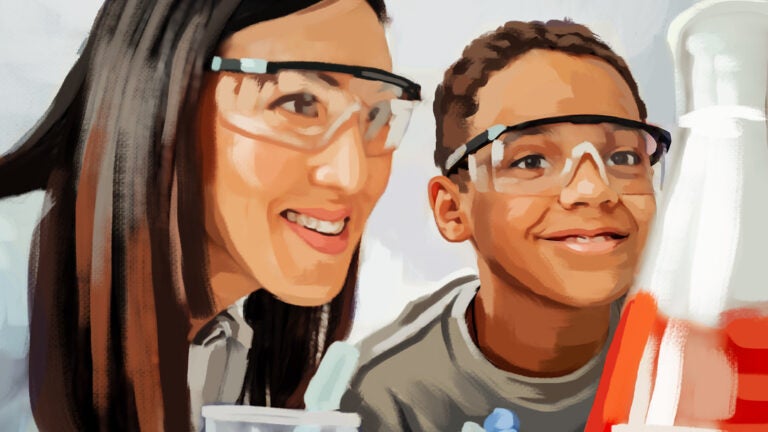
USC students have become increasingly interested in community engagement, which has created a growing need for guidance to help navigate these types of engagements.
The Joint Educational Project at USC Dornsife College of Letters, Arts and Sciences developed a guide and training to principled community engagement, centered around our Unifying Values. The goal of the guide and training is to foster a mindset that will help students engage ethically and build or maintain community partnerships that are sustainable, respectful, and mutually beneficial.
To learn more about our Unifying Value of #Accountability, and other initiatives from USC Dornsife, visit the @University Southern California Culture Report: http://bit.ly/3JPwVoo #USCCulturejourney

As the semester comes to a close, USC ReadersPlus ended their lessons this week. Students from several classrooms around USC learned about fossil fuels, muscle types and their function, and had a special French lesson! Thanks to all of our ReadersPlus tutors!
2023 Student Staff Awards
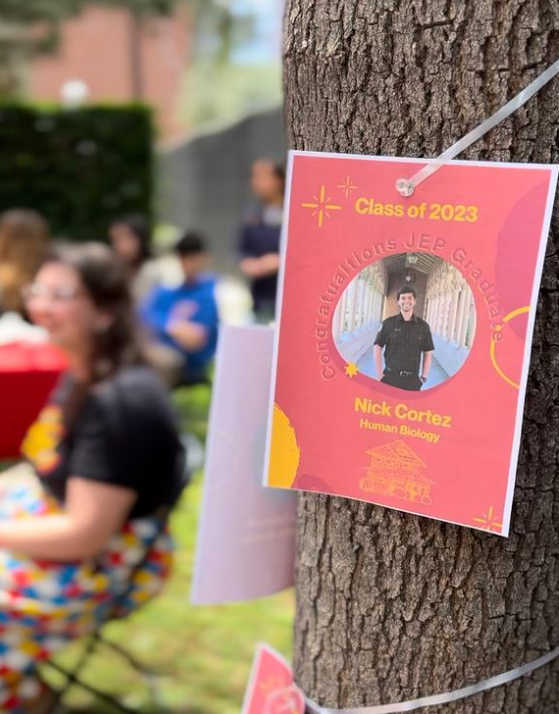
MET Gala Who? 💃📸 We had our very little own ceremony at the JEP house today to celebrate all of our student staff and another successful year of service-learning and community engagement! We are so proud of all of our JEP graduates and can’t wait to see you make your mark wherever you are headed next ✌️ Fight On & Serve On ✌️
2023 Teacher Professional Workshop
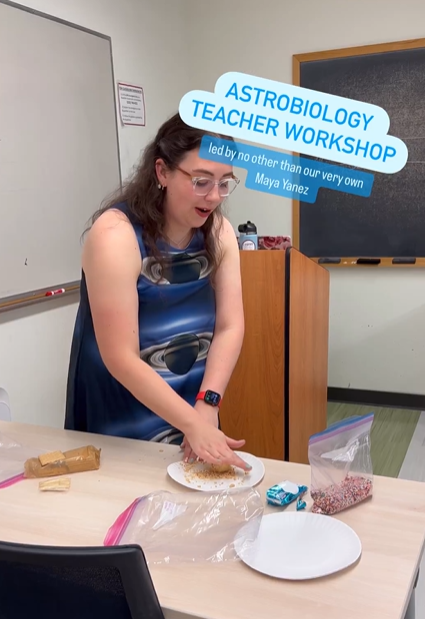
Today, Maya Yanez, our wonderful @jep_stem Education Fellow, led a hands-on workshop for our local teachers who wanted to learn more about Astrobiology 🧫🪐 We learned all about potential life in space, microbes, and – among other cool lesson plans – how to make the formation of planets and their rings easier to understand with the help of Rice Crispy treats, fruit roll ups, and Graham Crackers – yum!
2023 Festival of Books
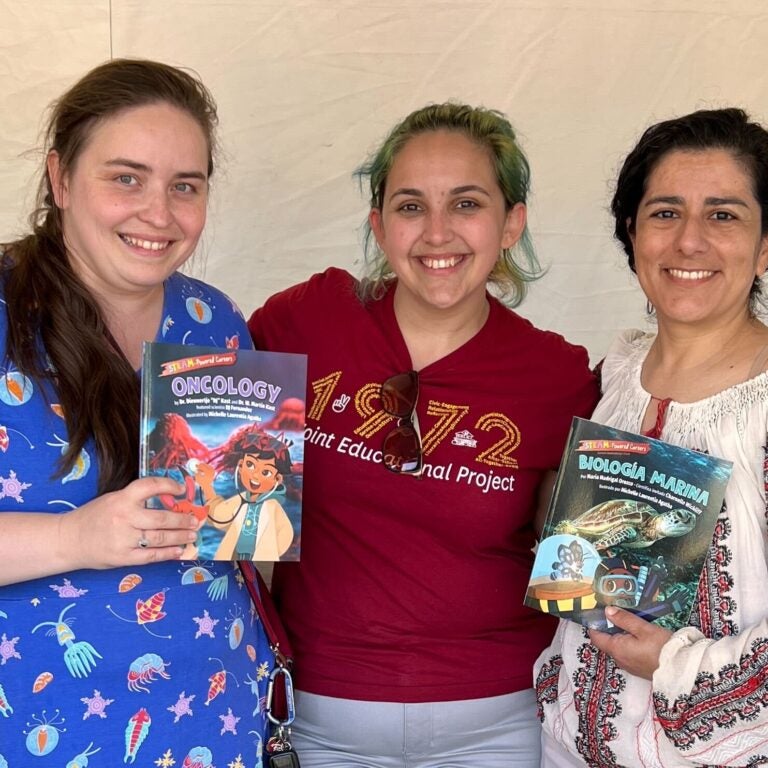
This weekend, JEP ReadersPlus was at the LA Times Festival of Books! On day one, they held activities under their tent near the Children’s Stage, providing fun activities for the kids (and a place to beat the heat for their parents) 📚🎨☀️
2023 Academic Convocation
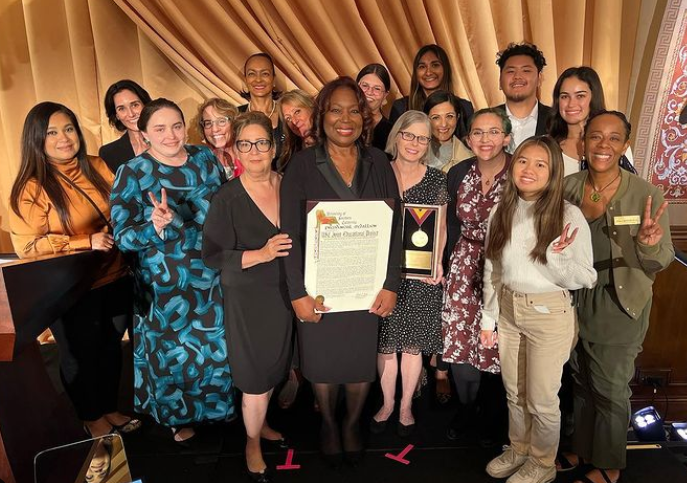
Last night, JEP was given the great honor of receiving the Presidential Medallion at the 2023 Academic Honors Convocation. So many great students, faculty members, and scholars,l (many of whom have participated in JEP before, by the way 😏) were honored at this inspiring event, making us even prouder to have been a part of it ✌️