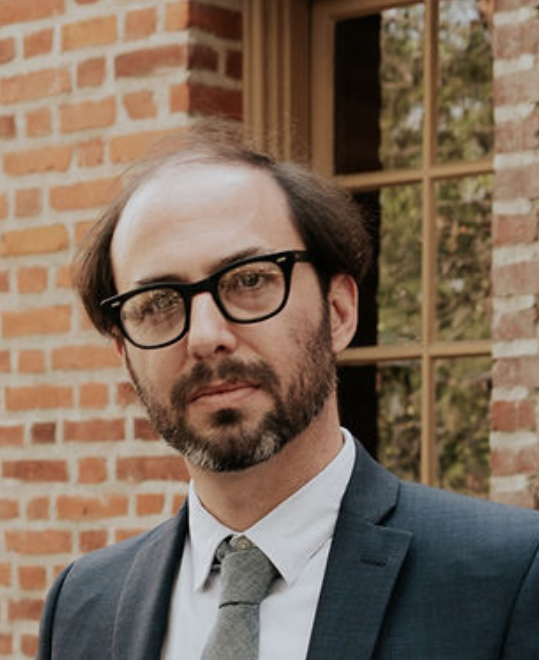
Christopher R. Beam, Ph.D.
Dr. Beam is a clinical psychologist with a specialization in life-span development, behavioral genetics, and advanced quantitative methods. Currently, the focus of his research is on collecting midlife data on twins age 40 and older in the Louisville Twin Study to investigate genetic and environmental processes that explain how early life psychosocial and cognitive development predict midlife cognitive functioning and markers of preclinical Alzheimer’s disease. Another area of research examines how perceived social isolation, that is loneliness, changes in the second half of the lifespan, if at all, and whether and how these changes correlate with dementia risk.
Clincally, Dr. Beam’s work focuses on geropsychological interventions, primarily group-based interventions for complicated grief in older adults. I also am a faculty member in the Gerontological Workforce Enhancement Program (GWEP) in the Department of Family Medicine at the USC Keck School of Medicine.
Dr. Beam most likely will not be accepting a graduate student for Fall 2026.
Please contact Dr. Beam via email.
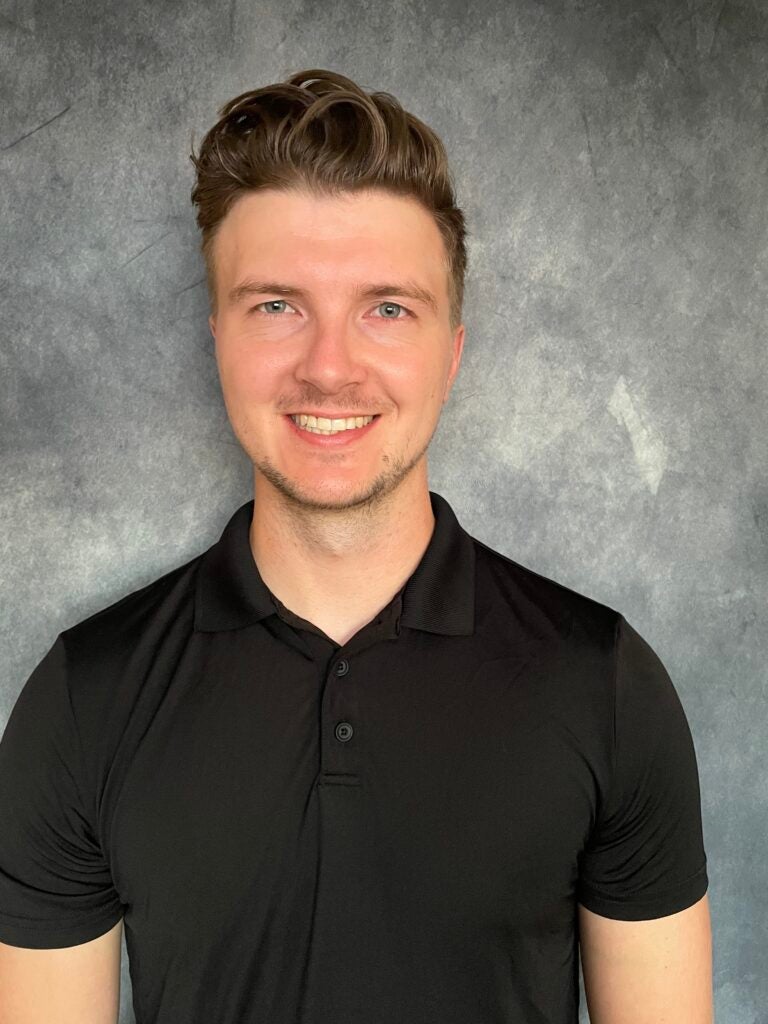
Matthew J.D. Pilgrim, M.A.
Matt’s research explores the intersection between health, health behaviors and cognitive aging from a longitudinal and genetically informed perspective. He uses large publicly available datasets to investigate how genetic and environmental factors influence engagement in healthy behaviors and the effects of these same behaviors on cognitive aging trajectories and dementia risk. Matt’s current areas of research include: 1) Physical Fitness and Dementia Risk, 2) Physical Activity in Parkinson’s Disease, 3) Biopsychosocial Predictors of Health Behaviors.
Matt’s career goals are oriented towards an integrated career in research and clinical practice. He aims to pursue pre-intervention research in an academic medical setting for cognitive aging and neurodegenerative disease populations. Matt also hopes to pursue parallel clinical work in neuropsychology and adhere to a clinical scientist model of practice throughout my career.
Contact Matt via email.
Morgan Lynch, M.A.
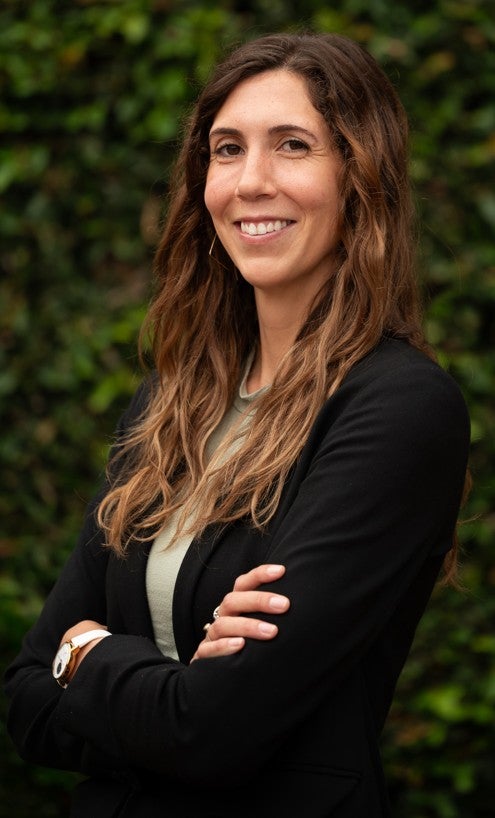
Emily Saldich, M.A.
Emily Saldich is a third-year student in the Clinical Science doctoral program at USC. She is interested in studying biopsychosocial risk factors for alcohol-related health problems and harm reduction strategies. Emily is currently working on her Master’s project, which examines how an educational intervention about alcohol-related health risks affects alcohol use trajectories over time in a college student sample.
Contact Emily via email.

Alyssa Kam
Alyssa is interested in intraindividual change in cognitive ability across the lifespan. She uses Item Response Theory to integrate different versions of ability tests measured over 60 years to study these changes. Moreover, Alyssa is interested in the role of genotype (e.g., APOE e4) in explaining differences (or null differences) in people’s nonlinear growth in cognitive ability. Alyssa also is interested in genetic and environmental etiologies underlying risk for Alzheimer’s and Related Dementias (ADRD) such as cognitive decline and AD biomarkers. In the future, I intend to continue pursuing ADRD research while mentoring clinical scientists-in-training in my own lab.
Contact Alyssa via email.
Molly Gonenne
Molly is a first-year graduate student in the Clinical Science doctoral program at University of Southern California. Her research currently utilizes epigenetic data to examine the potential biological mechanisms linking romantic relationships with advantageous cognitive and physical health outcomes. More broadly, her research aims to tease apart how relationships––and the absence or loss of them––influence the mind and body. After completing her doctorate, Molly intends to continue conducting research at an academic institution where she can simultaneously contribute to and implement knowledge that improves psychological and physical well-being.
Contact Molly via email.

Nick Barkidjija
Nick is a fourth-year undergraduate research assistant who is double majoring in Data Science and a Social Science with an emphasis in Psychology. He is also a first-year Master’s in Applied Data Science student. Nick (along with Sidney Kalin) is using data from the Louisville Twin Study to study whether depressive symptomatology moderates genetic and environmental variance underlying episodic memory outcomes.

Sidney Kalin
Sidney is a third-year undergraduate research assistant who is in the Davis School of Gerontology majoring in Human Development and Aging: Health Science. She (along with Nick Barkidjija) is using data from the Louisville Twin Study to study whether depressive symptomatology moderates genetic and environmental variance underlying episodic memory outcomes.

Raymond Kuk
Raymond is a third-year undergraduate research assistant. He is in the Dornsife School of Sciences, majoring in Biochemistry with a minor in Business Finance. Raymond (along with Sara Leong) is working on an epigenome-wide association study of neighborhood safety in the Health and Retirement Study and the Louisville Twin Study.